 World06 Jun 2026
Israeli Settlers Embrace EU Sanctions as a 'Badge of Honour' Amid Continued Violence
Israeli settlers dismiss EU sanctions as a 'badge of honour', showing indifference to international condemnation as violence against Palestinians rises.
Israeli Settlers’ Indifference to Global Condemnation
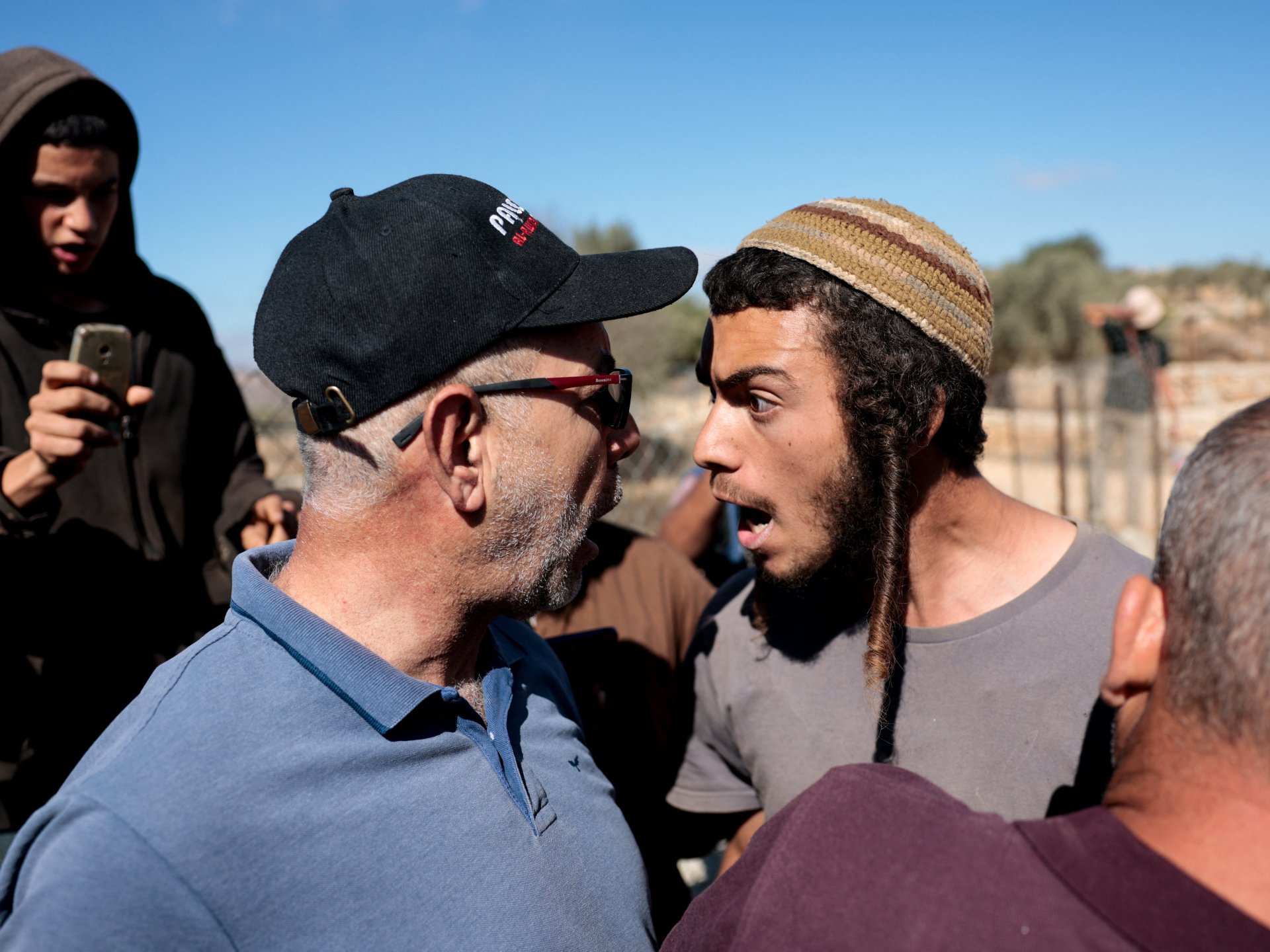
Israeli settler groups have reacted defiantly to recent European Union (EU) sanctions imposed on them, proclaiming the penalties a "badge of honour." This dismissive attitude highlights the settlers' nonchalance towards international outcry over their actions amid escalating violence against Palestinians. Significant casualties and widespread displacement among Palestinian communities have been reported since October 2023, indicating a deeply entrenched system of violence supported by the Israeli government.
EU Sanctions Foment Defiance
In the wake of the EU's latest sanctions targeting isolated settler groups and key figures, these violators have maintained an air of disdain. Settler leader Daniella Weiss, head of the Nachala movement, characterized the sanctions as "ridiculous" and "banal," while others affiliated with the Regavim organization, co-founded by Finance Minister Bezalel Smotrich, expressed similar sentiments. The EU sanctioned four entities and three individuals in a move reflective of growing international concern regarding settlement activities in the occupied West Bank.
Such measures included high-profile figures like Weiss and Meir Deutsch, the director of Regavim, both of whom are closely allied with the Israeli settlement expansion agenda. Even government officials, like Smotrich, have drawn scrutiny, as sanctions from bodies such as the UK and Canada highlight potential complicity in enabling violence in the West Bank.
The Persistence of Violence
Despite international sanctions, violence perpetrated by settlers against Palestinians continues unabated. Activists and observers assert that the EU’s sanctions fail to encapsulate the breadth and coordination of settler violence, underpinned by state support. Since the onset of renewed hostilities following a Hamas-led attack in October, there have been stark reports of lethal attacks against Palestinian residents—especially in areas like the South Hebron Hills and the northern West Bank around Nablus and Ramallah.
Tahseen Alayan from Al-Haq, an advocacy group, noted a marked increase in settler incursions, with reports of homes, vehicles, and agricultural properties being attacked or destroyed. He emphasized, "They now have the courage to attack into the heart of densely populated Palestinian villages."
Government Complicity and Settler Supremacy
The violence's systemic nature is further compounded by the Israeli government’s oversight of the situation. Official data show severe consequences, including the deaths of approximately 1,168 Palestinians and injuries to over 12,000 since October 2023, alongside thousands of displacements and detentions, many of which occurred without charges.
Alayan underscored that such violence does not occur in a vacuum and is rather an extension of the Israeli government, which propagates a culture of impunity for settlers. A notable instance involved settler Yinon Levi, who shot and killed Palestinian activist Awdah Hathaleen last year, yet remains free despite video evidence. In Alayan’s words, those who commit such acts are often celebrated as heroes upon their return to the community.
The Psychology of Settler Violence
This ongoing cycle of violence and entitlement is reflective of a broader societal mentality amongst settlers, as articulated by Daniel Bar-Tal, a professor at Tel Aviv University. He describes the settlers' belief in a divine mandate to occupy the land as a driving force behind their actions, creating a narrative that justifies violent expansion. The historical context of hardship and military presence further complicates the dynamics, setting the stage for continued aggression toward Palestinians.
Human rights group B'Tselem reiterated that the perceived lack of international condemnation fosters continuance of state-settler cooperation amidst rising tensions. Shai Parnes from B'Tselem stated, "Israel is an apartheid regime based on Jewish supremacy and institutionalized discrimination against Palestinians," suggesting that immunity for violators only perpetuates violence against the Palestinian population.
Conclusion
As sanctions appear impotent and even enhance the stature of their subjects within their communities, the conflict surrounding Israeli settlements and Palestinian rights escalates. Analysts warn that with ongoing government support, the settlers' violent actions against Palestinians are likely to persist, reflecting a troubling intersection of state supremacy, social indifference, and a mythologized nationalistic ethos.
Popular news
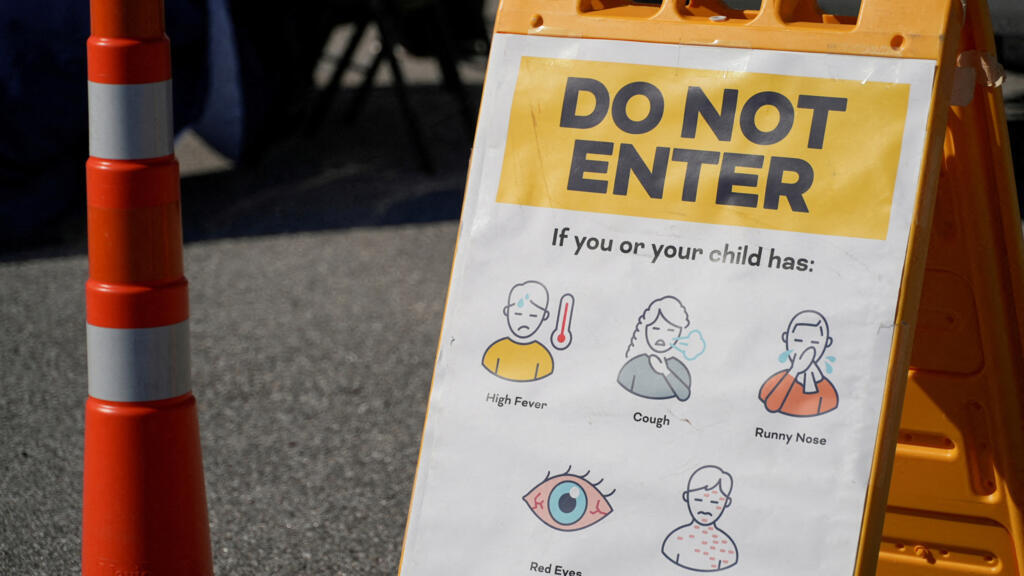
New York has declared a disaster emergency over rising measles cases, especially among under-immunized populations, with 108 confirmed cases.


Subscribe to
our news
Get the most important updates and top stories in your inbox.