 Business17 Apr 2026
Israel's Central Bank Chief Optimistic Amid Economic Turmoil
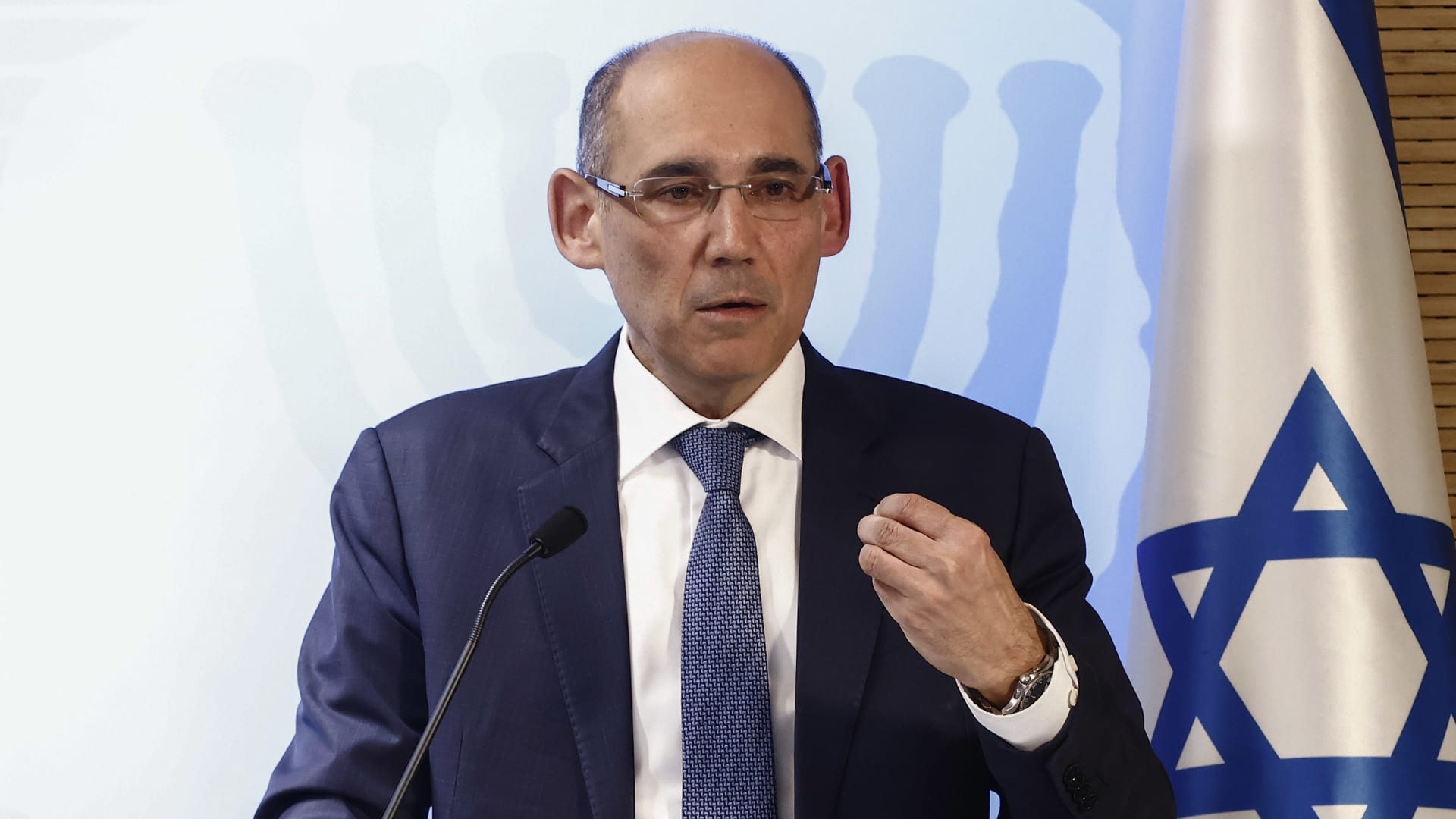
Bank of Israel's Amir Yaron lowers growth forecasts but stays optimistic about recovery amid regional tensions.
Outlook on Israel’s Economy Amid Ongoing Conflict
The Israeli economy is grappling with lowered growth projections as the ongoing conflict in the Middle East casts a shadow over its future. In the latest statements from Amir Yaron, the governor of the Bank of Israel, the expected economic growth for 2026 has been revised down from 5.2% to just 3.8%. Despite this downward adjustment, Yaron expressed a cautious optimism that if tensions in Lebanon and Iran subside, the economy could potentially rebound to 5.5% by 2027.
Recent Developments and Economic Projections
Speaking with CNBC’s Karen Tso during the IMF-World Bank spring meeting in Washington, Yaron acknowledged the prevailing uncertainty surrounding the duration of the conflict. Following talks in Washington, Israel and Lebanon have agreed to a temporary 10-day ceasefire, a development that may contribute to stabilizing the region.
Yaron emphasized that any escalation in hostilities could further diminish growth prospects. "It's a working assumption," he noted, referring to the potential recovery in 2027.
Impact of Geopolitical Uncertainty
A reduction in geopolitical risks could significantly enhance growth in Israel and the Gulf states. According to Yaron, the markets appear to be reflecting growing confidence, as evidenced by a strong performance in Israel's stock market and the shekel’s appreciation. However, he remained cautious about the potential for a prolonged conflict, emphasizing that such a scenario would likely impede growth and raise inflation expectations.
"Markets… are taking the view that the geopolitical situation has improved a lot already," he remarked, highlighting the positive trends in financial markets.
In contrast, any resurgence of conflict would negatively affect growth forecasts. Yaron noted on Friday that oil prices fell following the announcement of the ceasefire, aligning with U.S. President Donald Trump’s predictions that an end to the war in Iran is possible.
Resilience of Israel’s Economy
Despite the chaos, Yaron pointed out that the Israeli economy, which has operated under a state of heightened alert since the attacks on October 7, 2023, has exhibited notable resilience. He praised the defense and technology sectors, which continue to flourish, reporting significant back orders for products like the Iron Dome.
"It's pretty clear defense expenditures around the globe are going to increase over time," Yaron stated, reinforcing the robust performance of Israel’s defense industry amidst ongoing regional tensions.
The central bank maintained steady interest rates in its recent meeting, with Yaron hinting at the possibility of one or two rate cuts in the early part of next year. Such cuts would depend heavily on the resolution of the conflict, stabilization of oil prices, and the return of military reservists to the civilian economy, contributing to easing labor shortages. Yaron maintained that these adjustments could help keep inflation in the low 2% range into 2027, although he cautioned that these were not guaranteed outcomes, stating, "There is huge uncertainty. This is not a promise."
Popular news
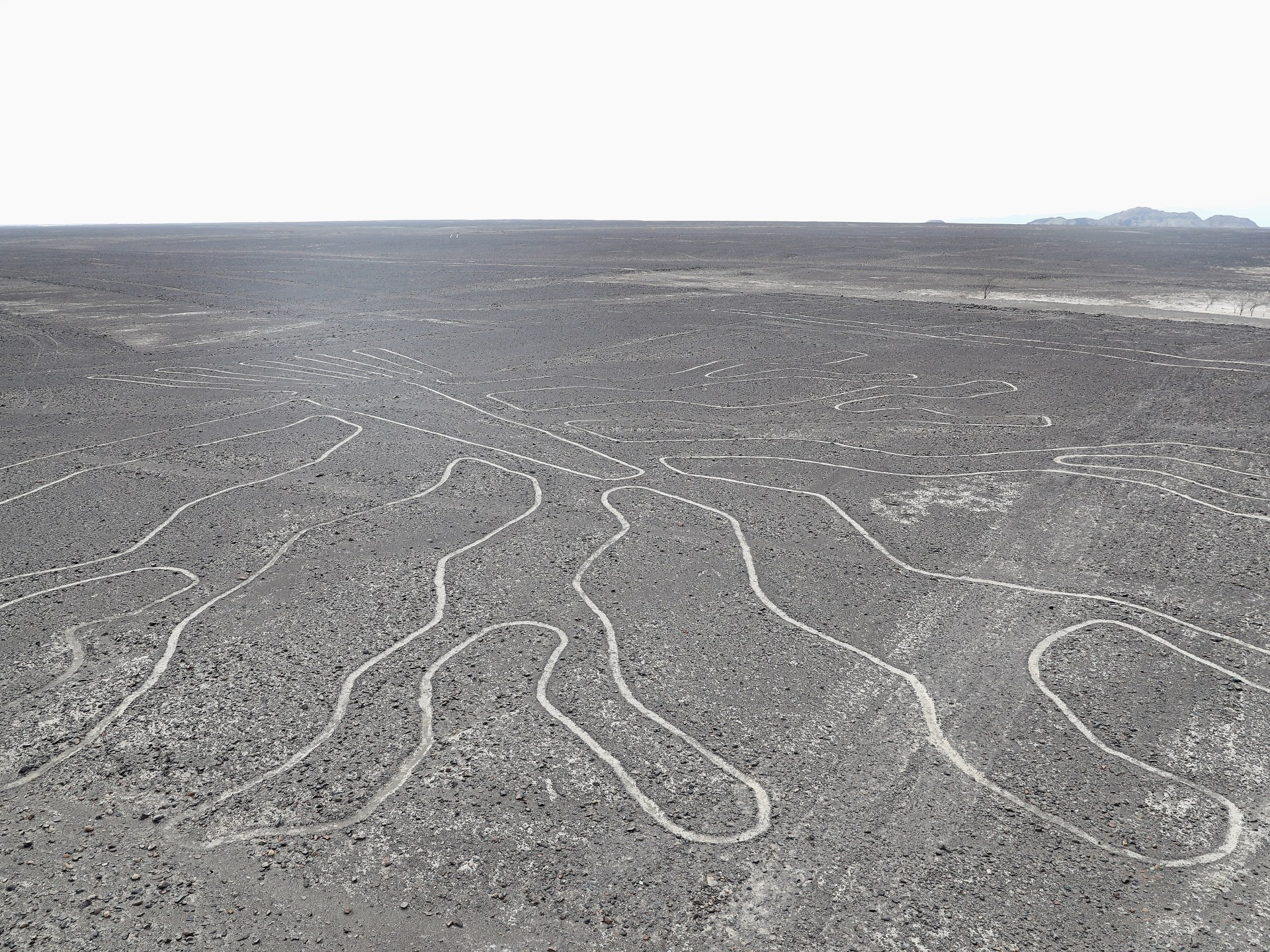
A small plane crash while touring the Nazca Lines in Peru has resulted in 13 fatalities, including tourists and crew.



Subscribe to
our news
Get the most important updates and top stories in your inbox.