 World26 Apr 2026
Israel's Escalation of Military Operations in Gaza: A State of War
Israel's military actions in Gaza are intensifying, causing rising casualties and destabilizing U.S.-backed governance frameworks.
Escalation of Military Operations in Gaza
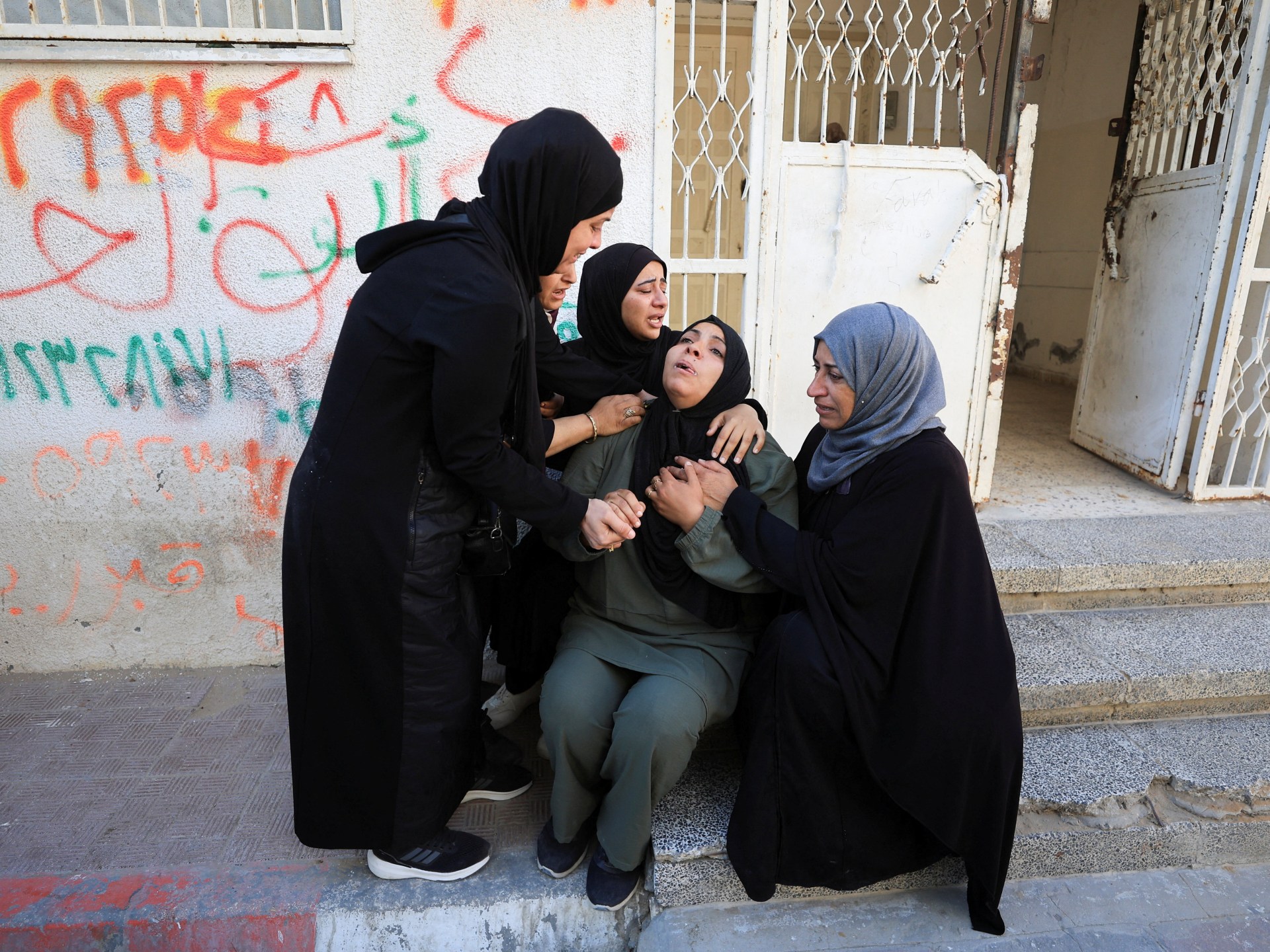
Israel's military operations in Gaza have seen a marked escalation, resulting in over 25 Palestinian deaths in just one week, including a woman from Khan Younis. The conflict has claimed more than 800 lives since the ceasefire was purportedly established. Local health authorities report the toll from two years of ongoing conflict has now surpassed 72,500 Palestinian deaths, indicating a severe humanitarian crisis in the region.
Background on the Situation
Targeting of Police Forces
Israeli forces have intensified their operations by specifically targeting Palestinian police officers, claiming that six of them were involved in planning attacks in the immediate future. However, these claims have been met with skepticism, as no substantial evidence has been provided to support their allegations. Political analyst Ahmed al-Tanani suggests that such targeted strikes are part of a larger strategy aimed at fostering an environment of chaos. He argues, "Israel wants to make it an unlivable environment, forcing residents to seek displacement," thereby aligning with its overarching military objectives.
Expansion of Control
Simultaneously, Israeli advances into western Gaza have widened the area under military control. The military has extended the so-called "yellow line"—which marks regions under Israeli supervision—by 37 kilometers (approximately 23 miles), now encompassing roughly 60% of Gaza. This encroachment severely limits Palestinian movement and further partitions their territory.
Impact on Governance Structures
Ineffectiveness of the NCAG
The recent escalation corresponds with the disempowerment of the National Committee for the Administration of Gaza (NCAG), a group established under former U.S. President Donald Trump's initiative aimed at facilitating reconstruction in Gaza. Critics, such as political analyst Iyad al-Qarra, assert that this committee has been stripped of its capabilities and is sidelined in Cairo to ensure it cannot operate effectively within Gaza. Al-Qarra emphasizes that the committee's potential for service delivery is inseparable from the security apparatus and the ongoing Israeli occupation.
U.S. Peace Narrative Under Scrutiny
The U.S. peace narrative, which initially facilitated the ceasefire, is now viewed as a means to legitimize Israel's continued military operations. Republican strategic analyst Adolfo Franco pointed out that Israeli operations have paused partly due to Hamas's unwillingness to disarm. He echoes Trump’s statement that disarmament will occur either peacefully or through military action, a stance that has drawn criticism as it undermines the prospects for Palestinian statehood.
Humanitarian Aid Blockade
Despite the initial agreement for the entry of approximately 600 aid trucks daily, current logistics reveal that only 150 to 190 trucks are reaching Gaza. Al-Qarra notes that aid delivery is a mere 20% of what was promised, leaving essential materials for reconstruction and humanitarian relief blocked. He describes Israel's justification for military action as vague and unrealistic, branding it a smokescreen to continue operations under U.S. legitimacy.
Implications for Gaza's Future
As military hostilities continue and governance structures crumble, the outlook for a stable and independent Palestinian administration becomes increasingly bleak. The pervasive belief among Palestinians, as expressed by al-Qarra, is that recent developments indicate a regression to previous states of conflict and chaos. In this environment, the potential for peace and reconstruction is severely undermined, leaving residents in a protracted state of instability.
Popular news
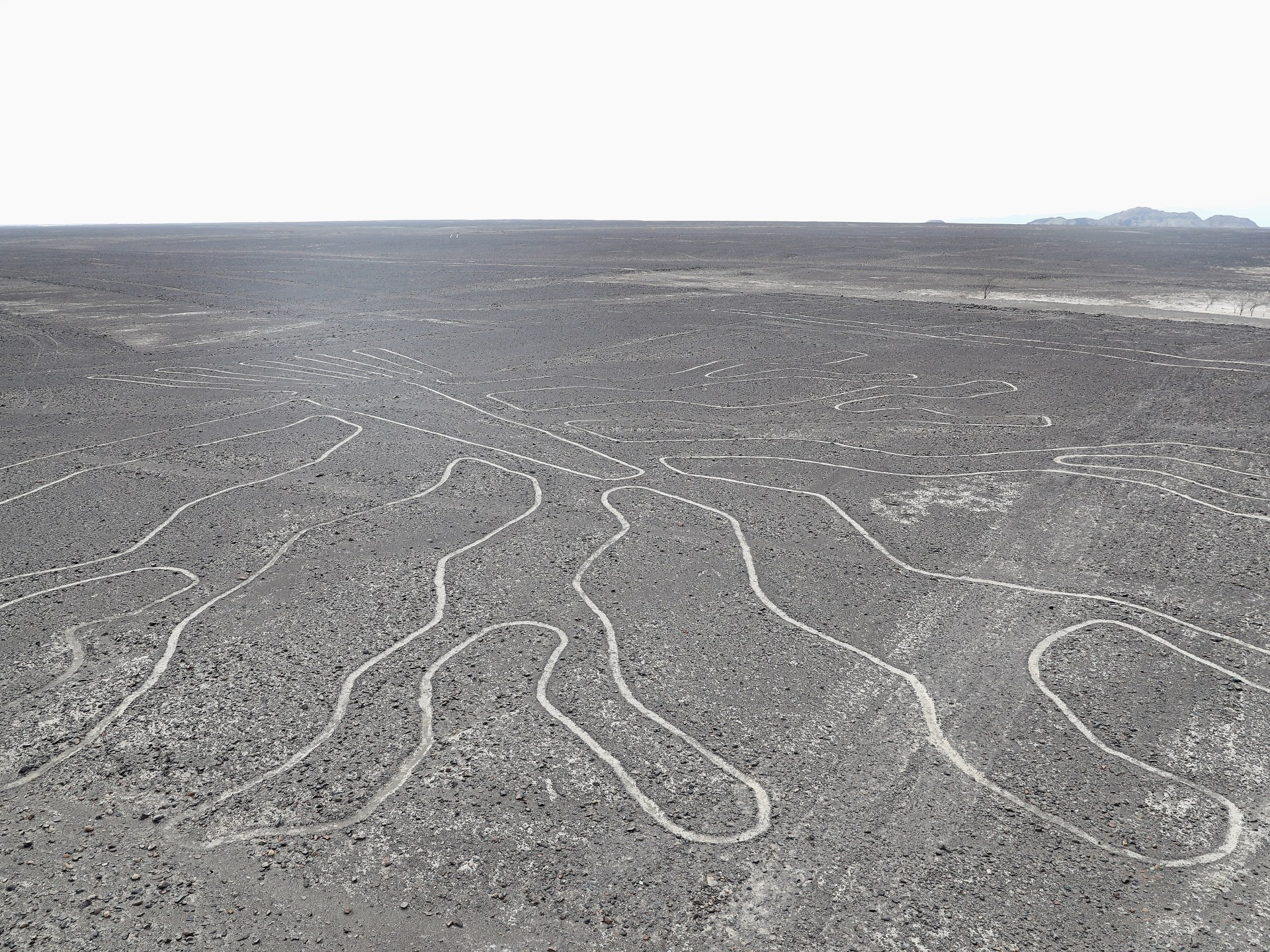
A small plane crash while touring the Nazca Lines in Peru has resulted in 13 fatalities, including tourists and crew.

Subscribe to
our news
Get the most important updates and top stories in your inbox.