 Technology17 Apr 2026
Japan's Bold Move: Extracting Rare Earths from 6,000 Meters Under the Pacific
Japan is recovering rare earth elements from its seabed, aiming for independence from Chinese supplies in a strategic move amid rising tensions.
Japan's Strategic Undersea Mission to Secure Rare Earths
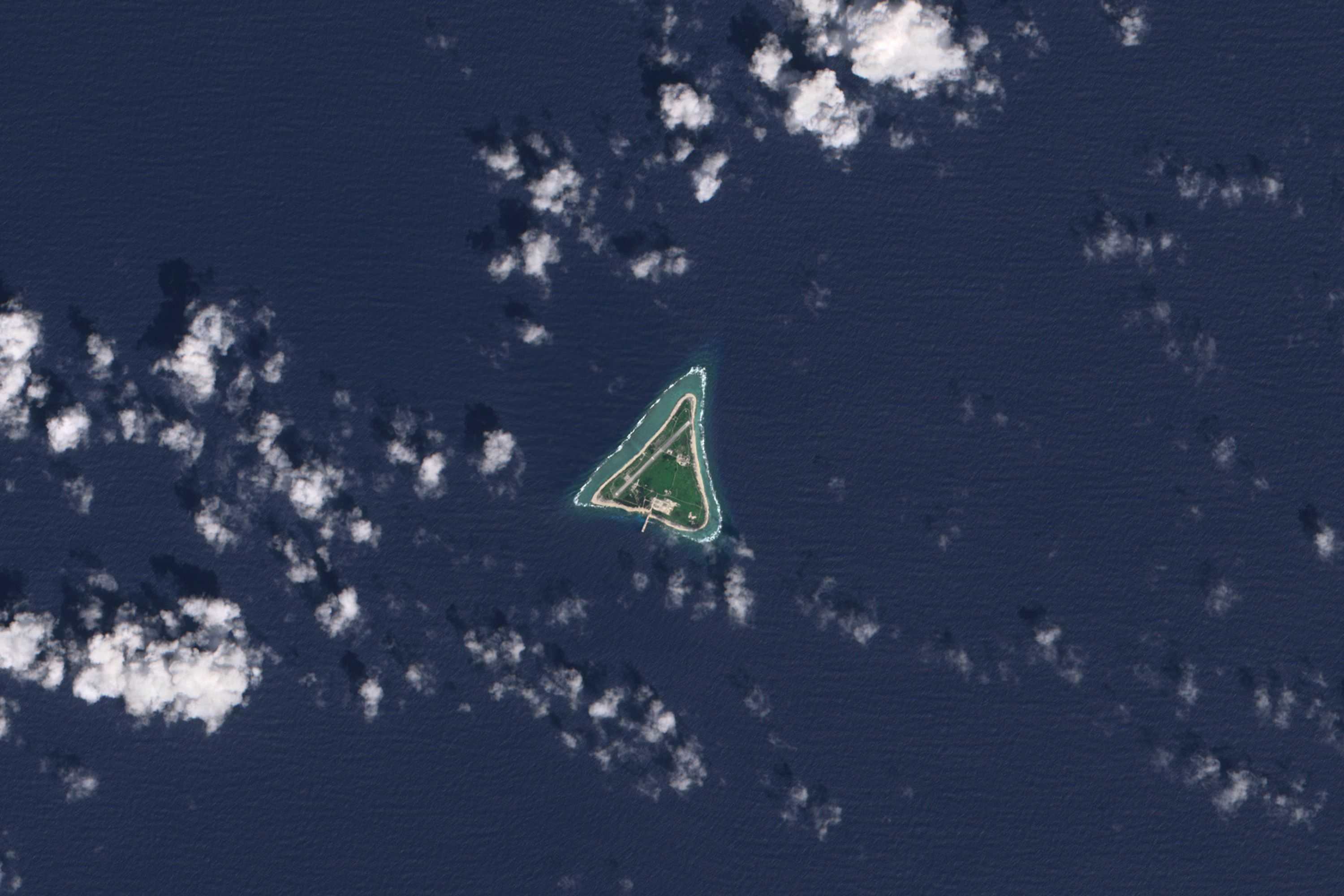
Located approximately 2,000 kilometers southeast of Tokyo, the remote atoll of Minamitorishima has emerged as a vital asset for Japan’s technological future. At depths of 6,000 meters, Japanese researchers have achieved a groundbreaking milestone by recovering sediments rich in rare-earth elements, paving the way for reduced reliance on China for these critical materials in the face of rising geopolitical tensions.
The Significance of the Minamitorishima Operation
This operation, which utilizes the advanced scientific deep-sea drilling vessel Chikyu, marks the first attempt to sample such extreme underwater deposits. The Japanese government has hailed this achievement as a notable cornerstone for the nation’s economic security and maritime development. Further analysis will be conducted to determine the exact quantity and quality of the extracted sediments, but preliminary estimates suggest that the region holds vast reserves of essential materials vital for technology and defense industries.
Japan aims to seize a larger role in the global rare earths market, critical for producing high-tech items ranging from electric vehicles to military hardware. Elements such as dysprosium and yttrium are abundant in the area, with estimates indicating that Japan could potentially tap into reserves that would last over 700 years at current consumption rates.
Lessons from the 2010 Diplomatic Crisis
Japan's initiative to increase its self-sufficiency in rare earths stems from a significant diplomatic crisis back in 2010. The confrontation between Japanese coast guard vessels and a Chinese fishing boat near the Senkaku Islands led to a swift and damaging embargo on rare earth exports from China to Japan, leaving the country in an exposed position, as it previously relied on China for more than 90% of its rare earth imports. This incident highlighted Japan's vulnerabilities and pressured the government to rethink its strategies.
In the aftermath, Japan has made considerable investments in diversifying its sources, reducing dependence on single suppliers, and developing alternative technologies. Notably, the establishment of stockpiles and collaborations with countries like Australia have been part of a comprehensive approach to mitigate future risks.
Economic and Environmental Considerations
The Minamitorishima project does not come without its challenges. The logistical and financial demands of extracting resources from such depths present a complex undertaking. To address these challenges, the United States has stepped in to support Japan under the Tokyo Framework, a cooperative agreement focused on critical minerals and rare earths, which will include public-private investments and technological assistance.
Japanese Prime Minister Sanae Takaichi has emphasized the importance of U.S. collaboration in ensuring that the extraction efforts scheduled for 2026 will be both economically and environmentally sustainable. The hope is that successful exploitation of these underwater resources will provideJapan with a more stable supply chain and diminish its ongoing reliance on China.
Looking Ahead: The Future of Rare Earths in Japan
Despite the nation's strides, China still holds a commanding position in the global refining of rare earths, particularly for heavy elements. Recent tensions between Tokyo and Beijing have further complicated the situation, as political disagreements threaten to impact critical supply chains for Japanese industries.
The Minamitorishima mission is thus not only about technological advancement but also a strategic maneuver to bolster Japan’s position in an increasingly competitive geopolitical landscape. Through continued innovation, collaboration, and resource management, Japan is looking to ensure that it can independently secure its technological needs for the future, freeing itself from excessive dependency on external suppliers, particularly China.
This ambitious venture sets a precedent for how a nation can navigate the complexities of international relations while striving for innovation and self-reliance in the pivotal area of rare earth elements.
Popular news
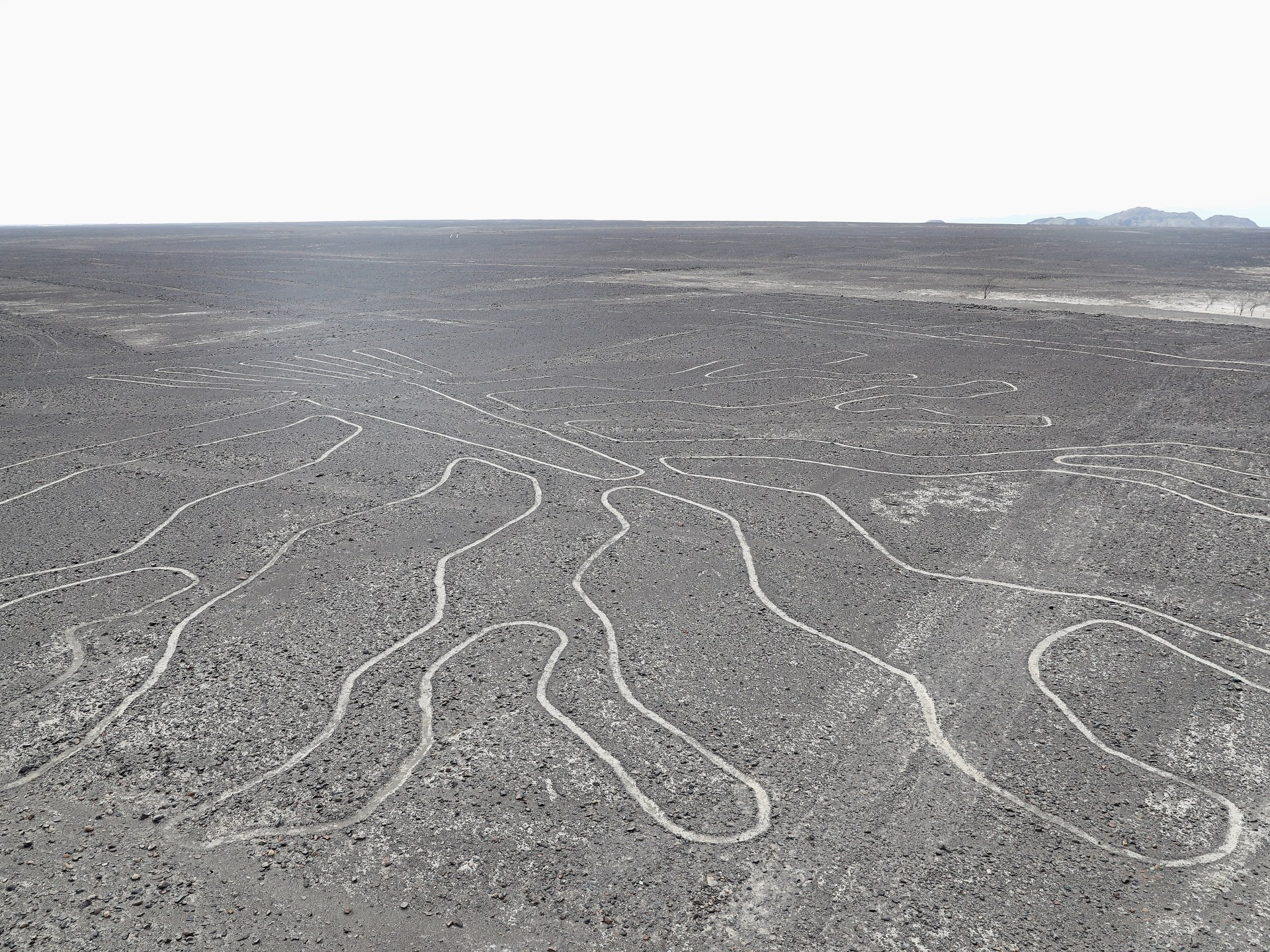
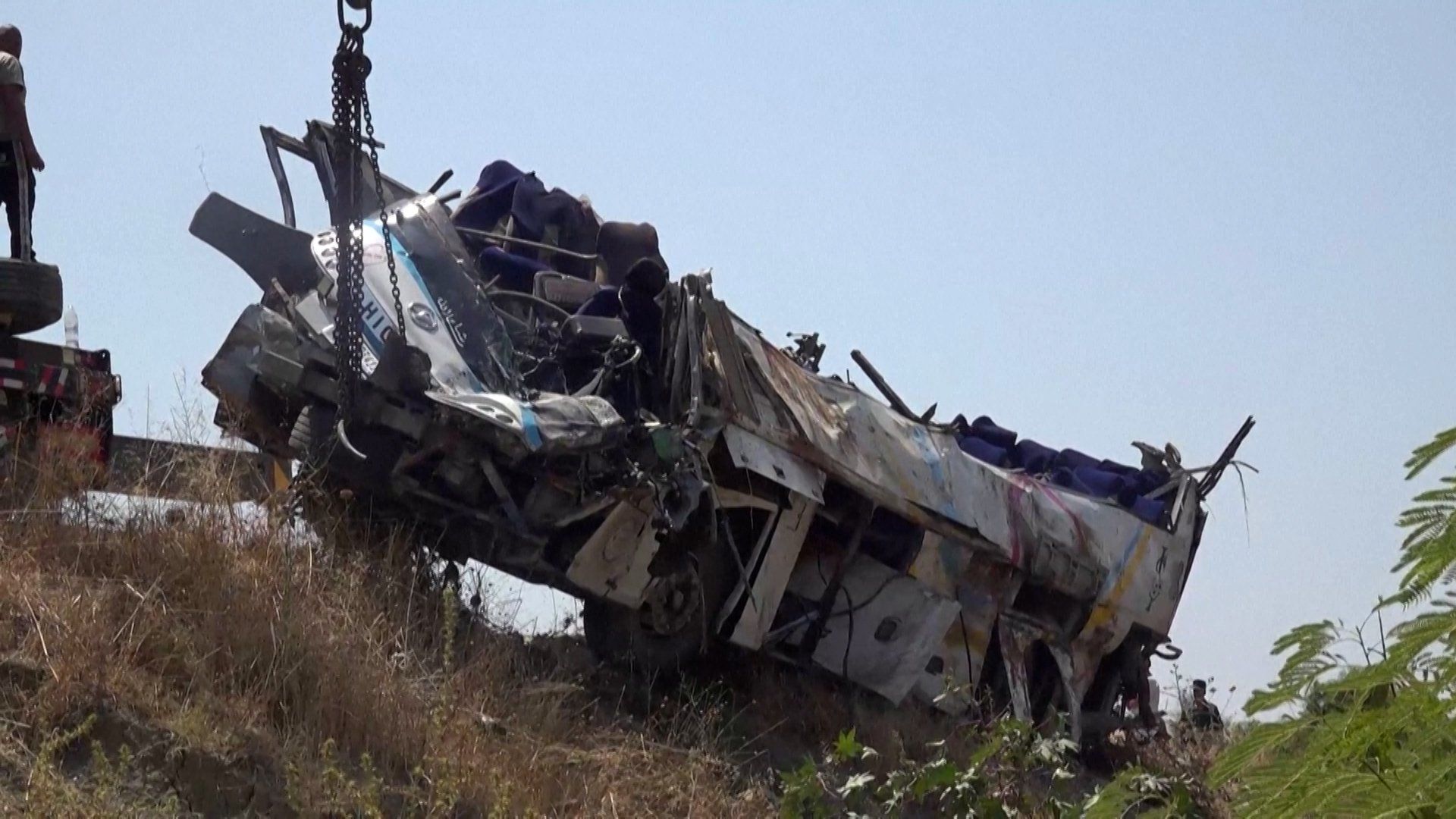
A small plane crash while touring the Nazca Lines in Peru has resulted in 13 fatalities, including tourists and crew.



Subscribe to
our news
Get the most important updates and top stories in your inbox.