




 Business18 Jun 2026
Kevin Warsh's Strategic Shift at the Federal Reserve Signals Change Ahead
Kevin Warsh's new approach at the Federal Reserve mirrors corporate strategies, emphasizing collaboration and reevaluation of policies.
Warsh Sets the Stage for Change at the Fed
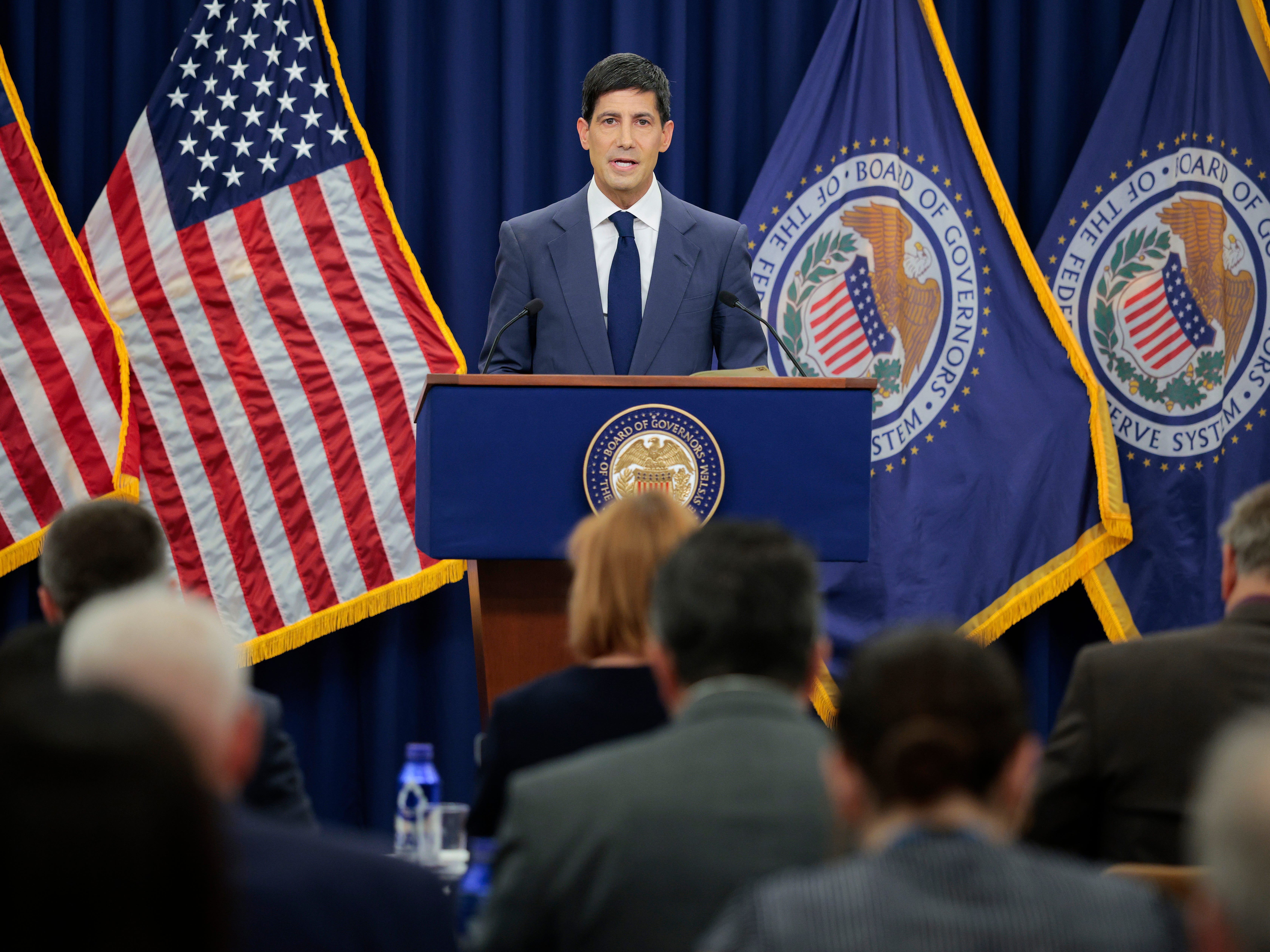
Kevin Warsh, recently appointed as the chair of the Federal Reserve, is making headlines by launching task forces aimed at reviewing and improving the Fed's policy framework. This initiative signals a strategic shift that embodies a corporate-style leadership strategy, prioritizing collaboration and thorough evaluation over immediate changes.
In a press conference, Warsh articulated a clear intention to reassess the institution’s objectives. "At any institution, a change in leadership is a natural and timely opportunity to reaffirm its mission, to review current practices, and to consider whether those practices best meet our objectives," he explained. To this end, the newly established task forces will encourage colleagues to question existing assumptions and explore alternatives.
A Focus on Process and Communication
Warsh’s emphasis on process and communication is not surprising given his background as a former Federal Reserve governor and his experience in analyzing central bank practices. His previous work included leading a review of the Bank of England's transparency measures, which resulted in recommendations to enhance accountability and governance.
This history aligns well with Warsh's current strategy, as he navigates a string of reviews that seem to suggest both a desire for institutional improvement and a methodical approach that may contrast with typical corporate environments where rapid changes are more common.
Task Forces: A Common Corporate Strategy
Incorporating task forces can reflect a classic corporate playbook, as noted by Mike Sacks, a managing director at Hudson Lake. "The first thing a new CEO usually does, especially if an outsider, is signal that things are open for debate. This is partly substance, partly symbolism," he stated. By forming cross-functional review teams, Warsh aims to foster collaborative discussions that can lead to broader ownership of the recommendations drawn from these evaluations.
Sacks emphasized, "You're not promising change by a certain date; you're promising a process." This approach allows for both potential overhauls and the maintenance of existing practices, depending on what these reviews reveal.
Implications of Warsh's Leadership Style
Warsh's approach to leadership at the Fed has several implications for the institution and its staff. Jo-Ellen Pozner, an associate professor of management at Santa Clara University, noted that a leader's effort to understand organizational dynamics before instigating changes is vital. Warsh's strategy of using task forces seems aimed at both instigating improvements and signaling a preparedness for change.
However, there exists a delicate balance; while pushing for new ideas, it’s crucial to respect the deep-rooted expertise of Fed staff who have spent years honing their skills in a stable, apolitical atmosphere. Pozner highlighted that a sudden shift in direction could risk alienating the institution's most dedicated professionals.
The Corporate Playbook Versus Institutional Independence
While Warsh’s management techniques align with strategies seen across both public and private sectors, the context significantly alters their application. Sacks pointed out that, unlike corporate leaders who justify changes through shareholder value, the Fed chair operates under a mandate of institutional independence, facing scrutiny that can complicate decision-making.
The establishment of these task forces and Warsh’s push for a thorough review resonate as hallmarks of a leader's early tenure. This may not directly translate to sweeping changes, but rather a framework for careful strategic reassessment of policies within the Fed, as the institution adapts to the new leadership style.
Popular news
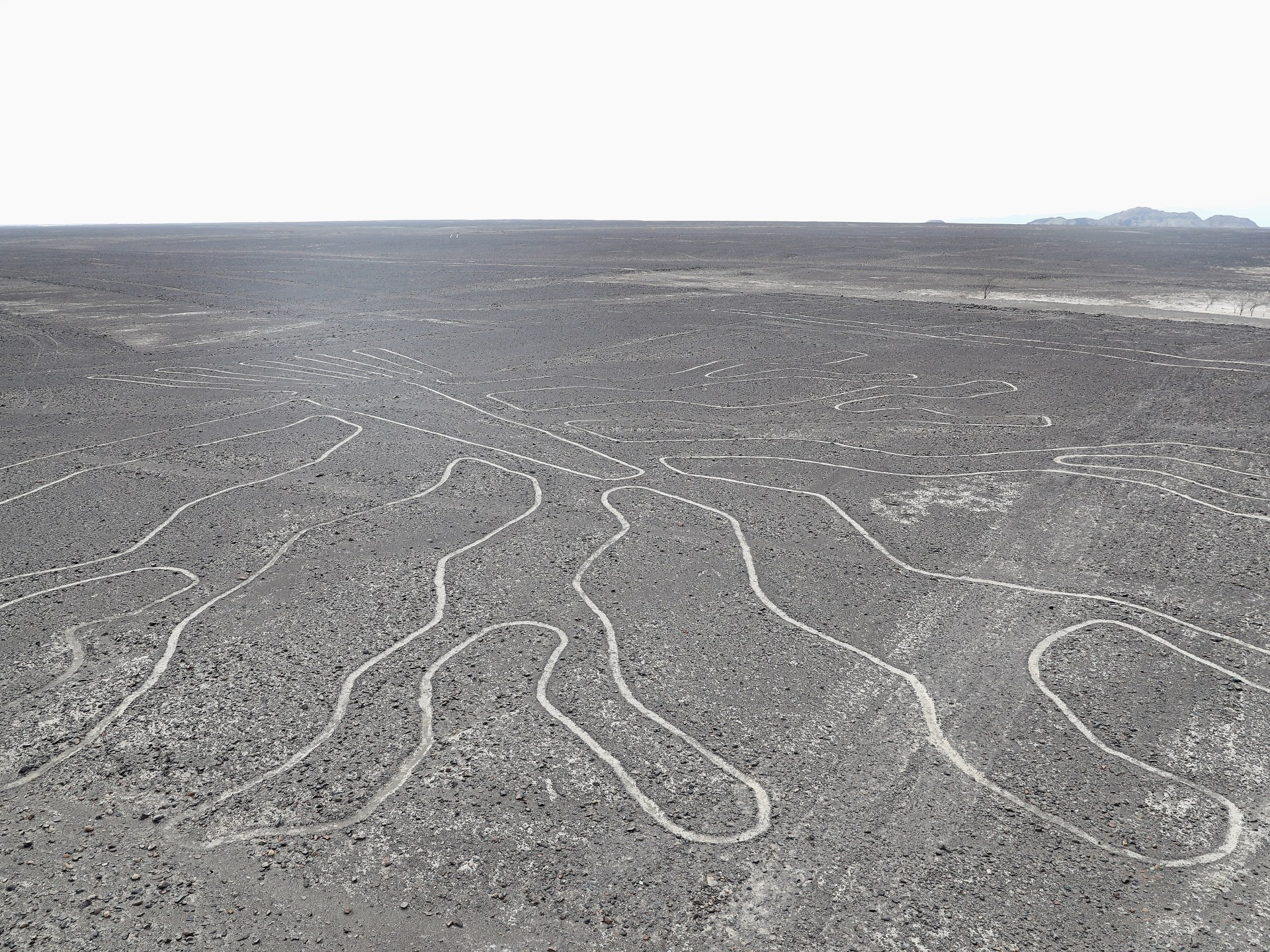
A small plane crash while touring the Nazca Lines in Peru has resulted in 13 fatalities, including tourists and crew.

Subscribe to
our news
Get the most important updates and top stories in your inbox.