




 Health14 Apr 2026
Korean Skincare Ingredient May Combat Antibiotic-Resistant Bacteria
Madecassic acid, found in Korean skincare, shows promise against antibiotic-resistant E. coli but needs more research before clinical use.
Uncovering Hidden Benefits of Madecassic Acid
Recent research has unveiled potential antibacterial properties of madecassic acid, a staple component in many Korean skincare products. This finding comes at a critical time as the world grapples with the escalating problem of antimicrobial resistance, particularly with respect to antibiotic-resistant strains of E. coli.
The Promise of Madecassic Acid
Madecassic acid, derived from the Centella Asiatica plant, has gained popularity in the beauty industry for its skin-soothing abilities. Its presence in creams, serums, and balms is celebrated among K-beauty enthusiasts; however, scientists are now exploring its utility beyond skincare. A new study published in the journal RSC Medicinal Chemistry suggests that madecassic acid may effectively inhibit and potentially kill antibiotic-resistant bacteria.
What the Research Found
Researchers employed a combination of computational methods and laboratory experiments to investigate the antimicrobial capacity of madecassic acid. They discovered that this compound strongly binds to cytochrome bd, a vital protein complex that bacteria use to survive infections. When madecassic acid binds to this protein, it disrupts its function, inhibiting bacterial growth. Furthermore, the team experimented with isolated madecassic acid from a Vietnamese plant extract, producing three modified variants, one of which demonstrated the ability to kill E. coli under specific conditions.
Confronting Antimicrobial Resistance
As highlighted by experts, the significance of discovering new antibiotics cannot be overstated. Antibiotic resistance arises when pathogens evolve in response to continued exposure to antibiotic treatments, rendering many conventional options ineffective. The World Health Organization identifies this phenomenon as one of today’s foremost public health challenges.
Dr. Christopher Serpell, one of the study's co-authors and an associate professor at University College London, emphasized that while the medicinal properties of madecassic acid are promising, they are currently not potent enough for clinical use without further enhancement through chemical modifications. He noted the ongoing need for a robust pipeline of novel antibiotics to counter the ever-evolving threat of resistant microbes.
Cautions and Future Directions
While the findings indicate that madecassic acid possesses intrinsic antimicrobial qualities, experts are cautious. Dr. Amesh A. Adalja, a senior scholar at the Johns Hopkins Center for Health Security, reinforced that more comprehensive studies are essential to clarify how madecassic acid can be effective in humans, including understanding the appropriate dosages and the compound's delivery to infection sites.
Dr. Thomas Russo, chief of infectious diseases at the University at Buffalo, echoed similar sentiments, stating that transitioning from laboratory successes to practical application involves numerous steps, including ensuring safety and efficacy in human trials.
Madecassic acid, while a beacon of hope in the fight against antibiotic-resistant infections, must undergo extensive experimentation before it could ever be incorporated into medical practice. Until then, traditional wound care practices, such as cleaning cuts with soap and water, remain crucial for infection prevention.
Conclusion
In summary, while the research surrounding madecassic acid is encouraging, making it suitable for clinical application as a novel antibiotic will require significant advancements and testing. The journey from laboratory discovery to market-ready treatments is lengthy, with a high rate of attrition along the way. As studies continue, the possibility of madecassic acid being transformed into a valuable tool against antimicrobial resistance remains an exciting prospect for the future of medicine.
Popular news
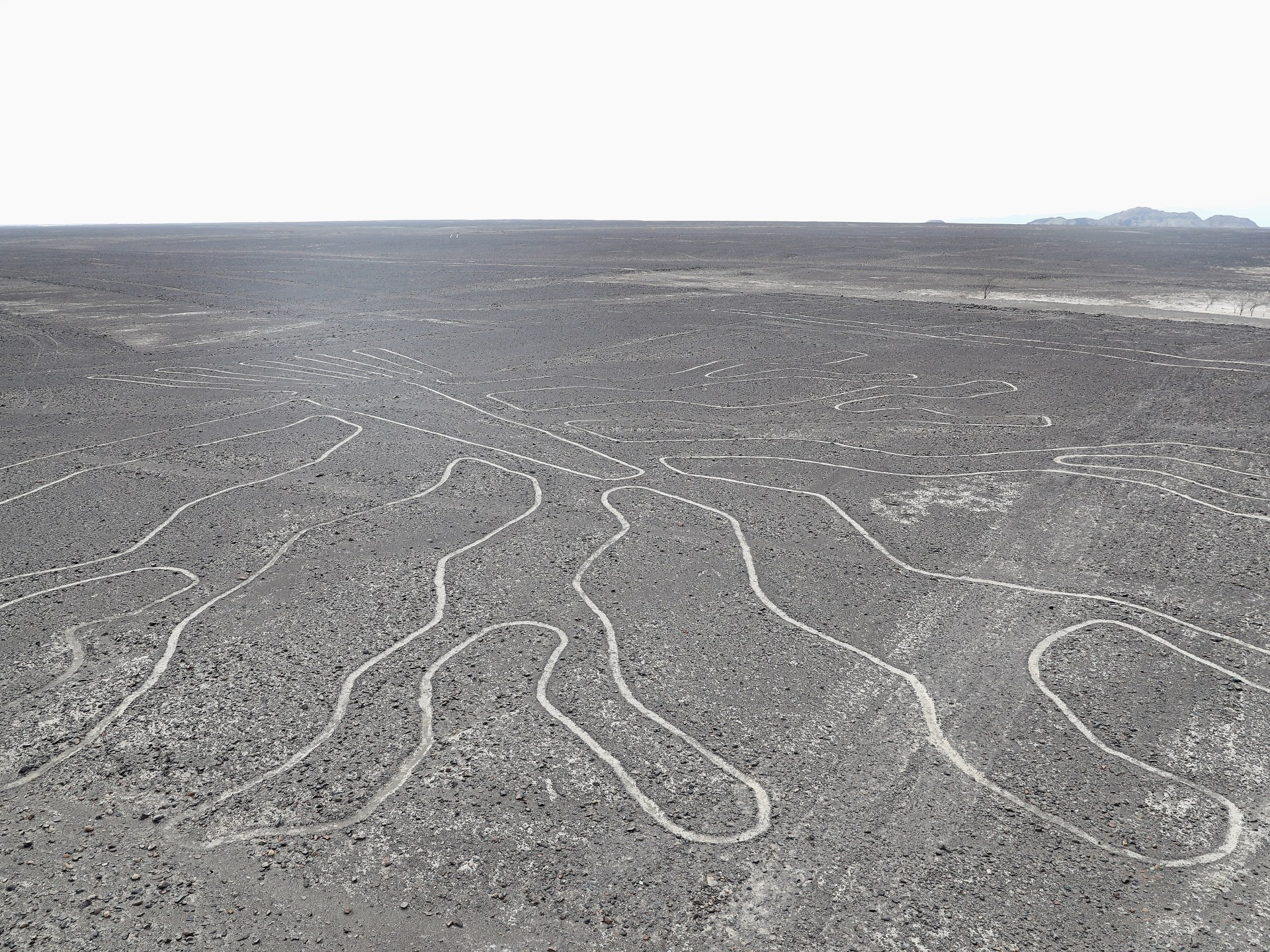
A small plane crash while touring the Nazca Lines in Peru has resulted in 13 fatalities, including tourists and crew.




Subscribe to
our news
Get the most important updates and top stories in your inbox.