





 Technology29 May 2026
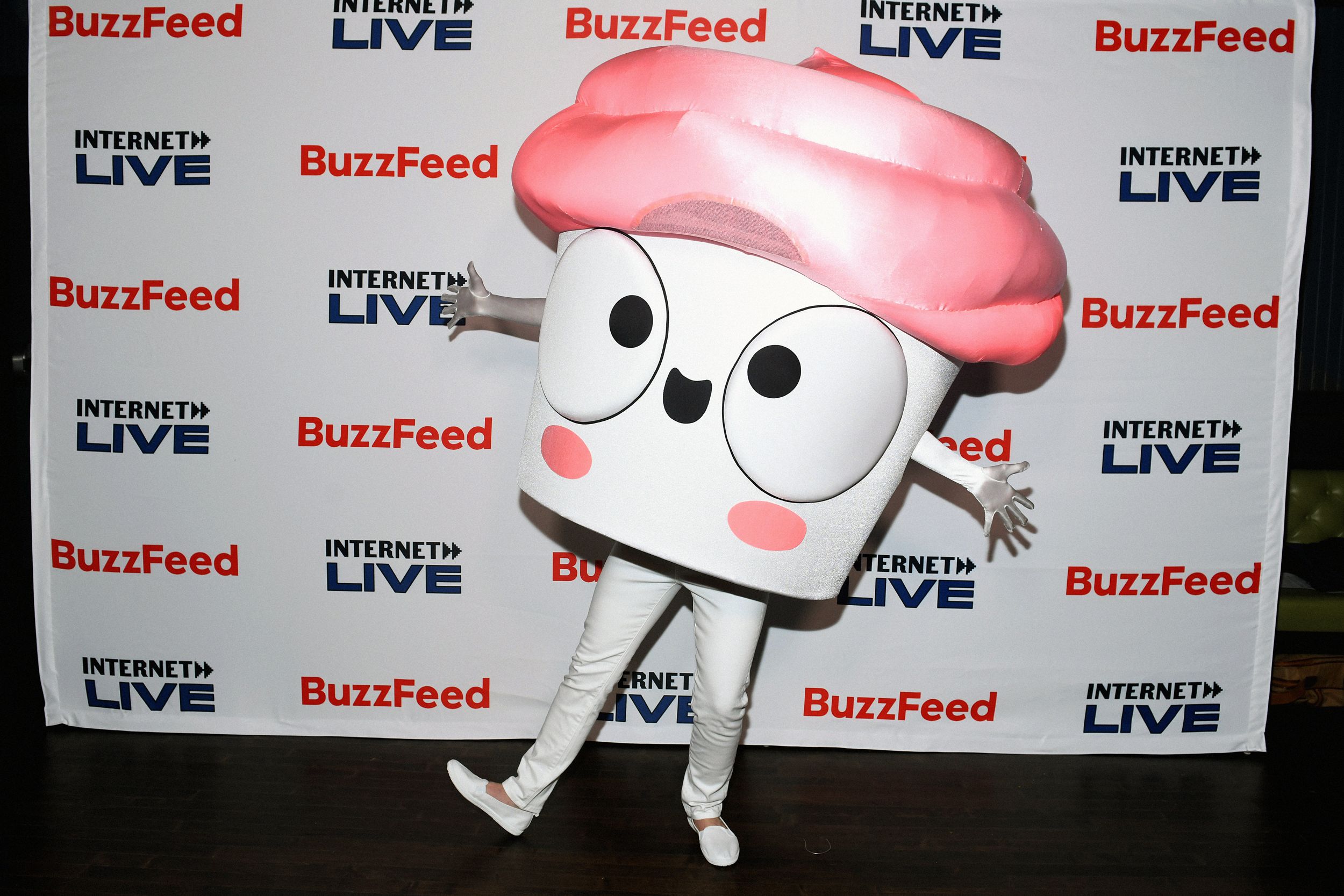
Loryn Brantz Opposes AI Animated 'Good Advice Cupcake' Series by Amazon
Loryn Brantz condemns BuzzFeed and Amazon using her character for an AI series, citing betrayal of artistic integrity and creativity.
Controversy Over AI Animation
The world of animated entertainment is facing a new challenge as Loryn Brantz, the original creator of the beloved character "Good Advice Cupcake," has publicly expressed outrage over BuzzFeed's decision to license her character for a new AI-animated series, "Cupcake & Friends," set to debut on Amazon Prime Video. Brantz's concerns center around a perceived violation of her intellectual property rights, exacerbated by her claims that BuzzFeed did not uphold their previous commitments regarding her creative input.
Brantz's Creative Journey
The Birth of Cuppy
Brantz's journey began in 2014 when she started creating content for BuzzFeed while simultaneously developing her own characters. Her cupcake character, Cuppy, gained viral fame for delivering humorous yet motivational advice, quickly becoming a fan favorite. "Cuppy is 100 percent based on my own personality as being someone who is aggressively optimistic and nearly pathologically positive," Brantz said, highlighting her personal connection to the character.
The Shift to AI
Recent reports revealed that BuzzFeed, under new leadership, plans to use the character for a new series employing artificial intelligence. This has sparked significant backlash, with Brantz labeling BuzzFeed's licensing of her character as an "assault on artists everywhere". She vehemently opposes the use of AI in creative processes and is calling for a boycott against AI-generated or associated animation.
Legal and Ethical Considerations
Dispute Over Intellectual Property
According to a spokesperson for BuzzFeed, the company maintains that it legally owns the rights to the Cuppy character, asserting their right to develop new content. They emphasized their intention to use AI merely as a tool to support human creativity in the project. However, this position has done little to quell Brantz's frustration, as she claims she was not consulted about the project until after it was already underway.
Brantz's Response
Brantz shared her discontent through social media, stating, "Nothing said in good faith by managers and executives was followed through with." Her public outcry has resonated with many creatives who share her concerns over AI's growing influence in the arts. As she explores legal options, Brantz remains unwavering in her stance against AI-driven projects that compromise artistic integrity.
The Industry's Future in AI
The potential ramifications of this dispute extend beyond Brantz. As AI continues to permeate the entertainment industry, artists are increasingly worried about the future of their work. The use of AI tools in animation has raised pivotal questions about ownership, originality, and the creative process. Brantz's situation illuminates the broader concerns held by many in the creative community regarding the role of technology in shaping narratives and artistic expression.
As the debate unfolds, it raises critical discussions about the balance between innovation and the protection of artists' rights in an increasingly AI-dominated landscape.
Popular news
New York has declared a disaster emergency over rising measles cases, especially among under-immunized populations, with 108 confirmed cases.


Subscribe to
our news
Get the most important updates and top stories in your inbox.
