




 World22 Apr 2026
Lufthansa Cancels 20,000 Flights Amid Jet Fuel Crisis Due to Iran War
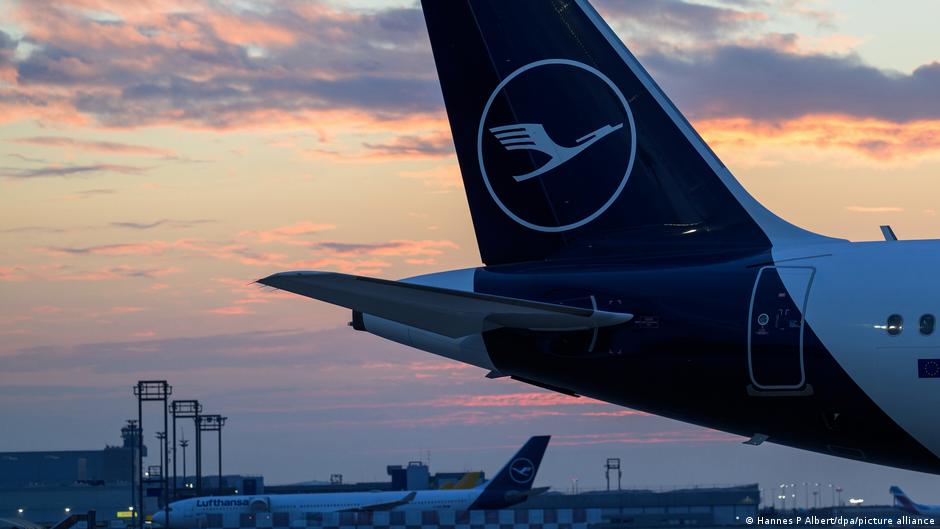
Lufthansa is canceling 20,000 flights as the jet fuel crisis escalates, driven by rising costs and supply shortages amid the Iran war.
Jet Fuel Crisis Deepens: Lufthansa Cuts Flights
As the geopolitical crisis in the Middle East escalates, the aviation industry is grappling with severe jet fuel shortages that have prompted Lufthansa to announce the cancellation of 20,000 flights between May and October 2026. This decision follows the doubling of jet fuel prices since the onset of the Iran conflict and highlights the industry's vulnerability to international tensions.
Impact on Airlines and Travelers
On April 21, Lufthansa revealed that it aims to conserve approximately 40,000 metric tons of jet fuel by cutting short-haul flights. This drastic measure reflects not only the airline's immediate response to soaring fuel costs but also the broader implications for the aviation sector. Other airlines, including KLM, are grappling with similar challenges, with hundreds of flights already canceled or expected to be canceled as summer approaches.
The International Energy Agency (IEA) has warned that Europe is on the brink of a fuel supply crisis, with estimates suggesting only six weeks of jet fuel reserves remain. Fatih Birol, the IEA's executive director, emphasized the critical situation, urging European Union (EU) member states to consider emergency measures, including collective fuel stock management.
EU's Response to the Crisis
In response to these dire circumstances, EU transport ministers convened on April 22 to explore potential solutions for the jet fuel crisis. Apostolos Tzitzikostas, the EU's Transport Commissioner, indicated that supply disruptions from the Strait of Hormuz could lead to catastrophic consequences for both Europe and the global economy. Discussions included plans for mutual fuel sharing among member states and increasing imports from the US.
"In case this crisis continues, we are ready to intervene and make things more flexible for the airlines," said Tzitzikostas, highlighting the EU's commitment to addressing impending fuel shortages.
Alternatives and Future Implications
The COVID-19 pandemic had already revealed the delicate balance within the aviation industry, which heavily relies on Middle Eastern imports for jet fuel. With an increasing reliance on imports which constitutes about 30-40% of Europe’s jet fuel, the crisis is a clarion call for change. Experts suggest that transitioning to sustainable aviation fuels (SAF) could enhance resilience, but current production levels cannot meet the industry’s demands.
The EU’s recent regulations call for a gradual increase in SAF usage at airports, but high prices and limited supplies hinder rapid adoption. As the crisis continues, airlines may face not only fuel shortages but also mounting airfare costs, pushing consumers further away from air travel.
Conclusion: A Fragile Industry
This unfolding crisis serves as a stark reminder of the aviation industry's fragility in the face of geopolitical events. Airline experts warn of a challenging market ahead, with price hikes likely to become a new normal unless significant changes are made in supply management and fuel sourcing.
As airlines like Lufthansa make these tough decisions, travelers may find themselves facing increased uncertainty and costs when booking flights.
Popular news
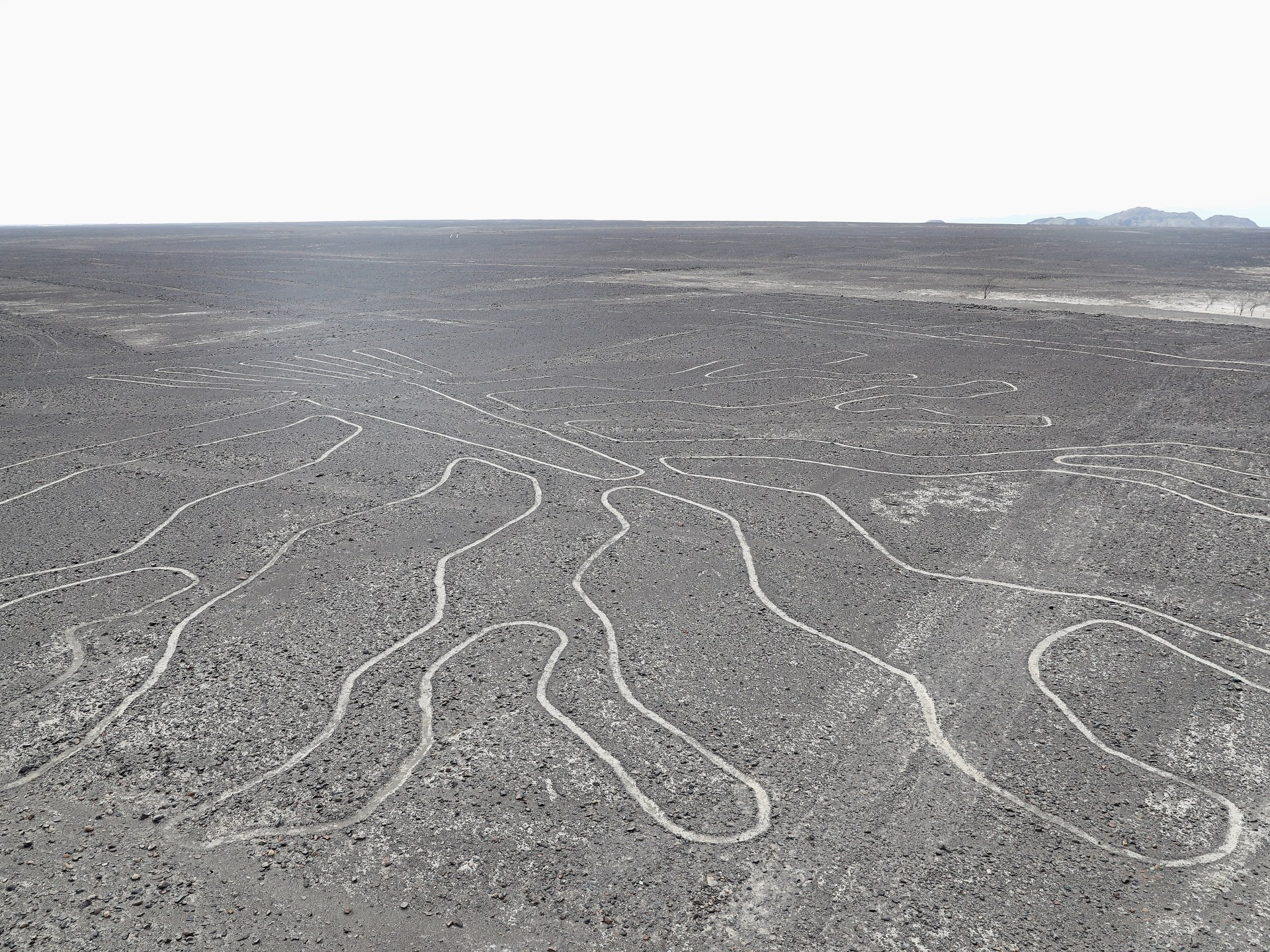
A small plane crash while touring the Nazca Lines in Peru has resulted in 13 fatalities, including tourists and crew.



Subscribe to
our news
Get the most important updates and top stories in your inbox.