Business11 May 2026
Modi Urges Indian Citizens to Reduce Fuel Use and Gold Purchases Amid Iran War Strain
PM Modi calls for reduced fuel use and gold purchases to mitigate economic impacts stemming from the Iran war, as trade imbalances grow.
Modi's Economic Appeal Amidst Rising Fuel Costs
In a recent address in Hyderabad, Indian Prime Minister Narendra Modi highlighted the severe impacts of the ongoing conflict in the Middle East, particularly the war involving Iran, on India's economy. Modi urged citizens to cut fuel usage, limit their overseas travel, and pause gold purchases, as surging fuel prices threaten the nation's economic stability.
Rising Fuel Costs and Economic Concerns
The Iran conflict has exacerbated global energy prices, which Modi indicated are causing significant financial strains. Notably, India imports around 85% of its fuel, relying heavily on the Strait of Hormuz for about 50% of its crude oil imports. This dependency makes the country particularly vulnerable as tensions rise, affecting not only trade but also the stability of the Indian rupee, which is currently trading near an all-time low against the U.S. dollar.
"To counter these challenges, I appeal to all Indians to consider using public transport, embrace carpooling, or opt to work from home when possible," Modi stated, emphasizing the need for fuel conservation efforts.
Market Reactions and Economic Downgrades
The call to action by Modi comes as market reactions to rising oil prices are evident. Shares for several Indian jewelry companies saw declines of up to 10%, while airline stocks, such as the widely-operational IndiGo, faced a 2.8% drop. This trend reflects broader market anxieties as investors adjust to the economic ramifications of the Iranian conflict.
Additionally, the government's concerns are warranted, as around 22% of India's total imports in the previous financial year were spent on crude and petroleum products, amounting to nearly $175 billion. In contrast, the country stands as the second-largest gold importer globally, with expenditures nearing $72 billion.
Forecast Adjustments and Future Outlook
According to a recent report from UBS Securities, the Iranian conflict represents a major shock to the energy markets with asymmetric risks that threaten India's economic growth. The forecast for India’s growth for the financial year ending March 2027 was downgraded from 6.7% to 6.2%.
Former Indian ambassador to the U.S., Nirupama Rao, commented on the dire situation, stating, "It is a difficult time ahead for India unless peace is established in the Middle East."
Government Measures Moving Forward
In an attempt to stabilize the economic fallout, the government has kept retail fuel prices steady by implementing tax cuts rather than passing the burden onto consumers. This has so far prevented a drop in fuel demand, despite the rising international costs. However, many analysts believe further economic measures may be essential following Modi's recent electoral victories in key states.
As discussions on economic strategies heat up, Chief Economic Advisor V. Anantha Nageswaran has warned of a significantly rising trade deficit in the fiscal year ahead. Effective management of this deficit will likely demand shared responsibility between the government and the private sector.
With rising global uncertainty and domestic economic troubles, India remains at a crossroads, and the implications of Modi's appeal will resonate across the country in the coming months.
Popular news
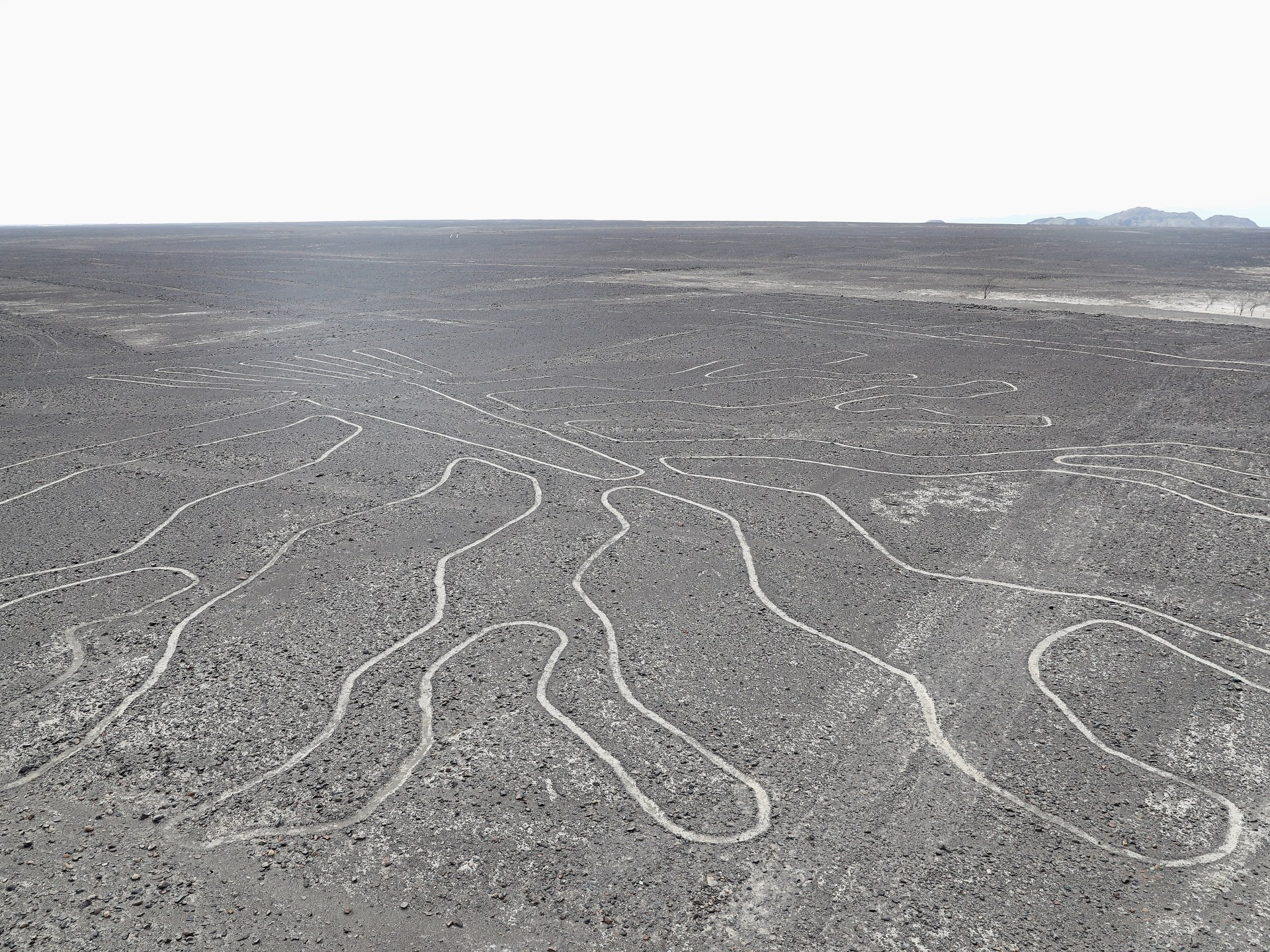
A small plane crash while touring the Nazca Lines in Peru has resulted in 13 fatalities, including tourists and crew.

Subscribe to
our news
Get the most important updates and top stories in your inbox.