 Technology03 May 2026
NASA's Curiosity Rover Timelapse: Six Years of Martian Exploration
NASA's new timelapse video highlights the Curiosity rover's journey over six years on Mars, exploring Gale Crater and revealing vital data.
NASA's Timelapse Video Capturing Six Years on Mars
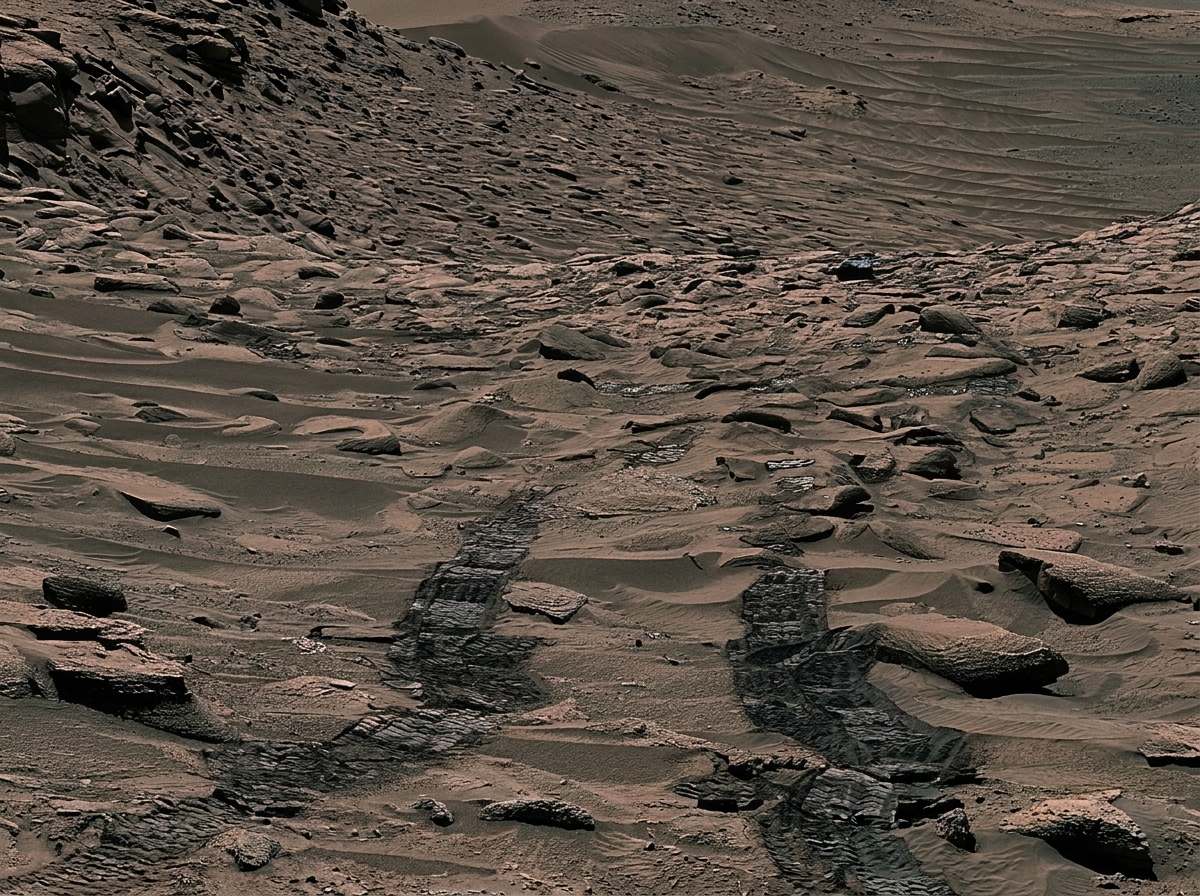
NASA has released a remarkable two-minute timelapse video that documents the Curiosity rover’s six-year odyssey across the Martian landscape. This compelling visual captures the rover's journey through the Gale Crater and its steady ascent of Mount Sharp, which towers three miles above the surrounding basin.
The video serves a dual purpose — it is not only a captivating feature for space enthusiasts but also a scientific tool that assists researchers in analyzing shifts in Martian sand and atmospheric conditions. Curiosity, which successfully landed on Mars on August 5, 2012, has traversed an impressive 23 miles and continues to uncover vital information about the planet's environment.
Insight into Martian Exploration
The timelapse consists of numerous snapshots taken between January 2, 2020, and March 8, showcasing Curiosity navigating through rugged terrain and the unique lithic landscapes of Mars. The rover captures these images with its right navigation camera, and the data collected is pivotal for understanding the seasonal transformations on the planet. By scrutinizing the sand grains that are disturbed by the rover's movements, scientists can distinguish between natural changes and those induced by the rover itself.
As noted by NASA, “Distinguishing between sand jostled by each drive and wind gusts can provide new information about seasonal changes in the atmosphere.” The audio embedded in the Instagram post accompanying the video adds an engaging backdrop, although its relevance to scientific findings is minimal.
Curiosity’s Scientific Discoveries
Since its landing, Curiosity's mission has been clear: to investigate whether Mars ever supported life. Just a year into its mission, the rover confirmed that its landing area contained the right chemical ingredients to support life, having analyzed samples from an ancient lakebed. Its latest findings include detecting 21 different organic molecules, which mark the most complex set discovered on the planet to date.
Despite challenging conditions, including damage inflicted on its wheels by sharp Martian rocks, Curiosity has continued to operate effectively. NASA has upgraded procedures to counteract these challenges; for instance, some maneuvers are purposely executed in reverse to mitigate further wheel damage.
Engineering Resilience
The perseverance of the Curiosity rover has been complemented by engineering advances at NASA. To prevent wheels from being punctured, the newer Perseverance rover is equipped with thicker aluminum wheels designed to withstand Martian terrains better. These wheels are also motorized for enhanced maneuverability around obstacles.
Curiosity’s initial years were characterized by significant progress in understanding the Red Planet's past atmospheres and potential habitability. However, it also serves as a stark reminder of the risks associated with robotic exploration — many past missions have succumbed to the harsh environmental conditions on Mars, with dust accumulation on solar panels posing a severe threat to power supply.
Conclusion
The new video by NASA not only revisits the highlights of Curiosity's six-year journey but also emphasizes the ongoing scientific inquiry into Mars' environments. As this robotic pioneer continues to unveil the mysteries of the Red Planet, it reinforces our quest to understand whether we are alone in the universe, representing humanity’s steadfast curiosity and resilience in the face of the unknown.
Popular news
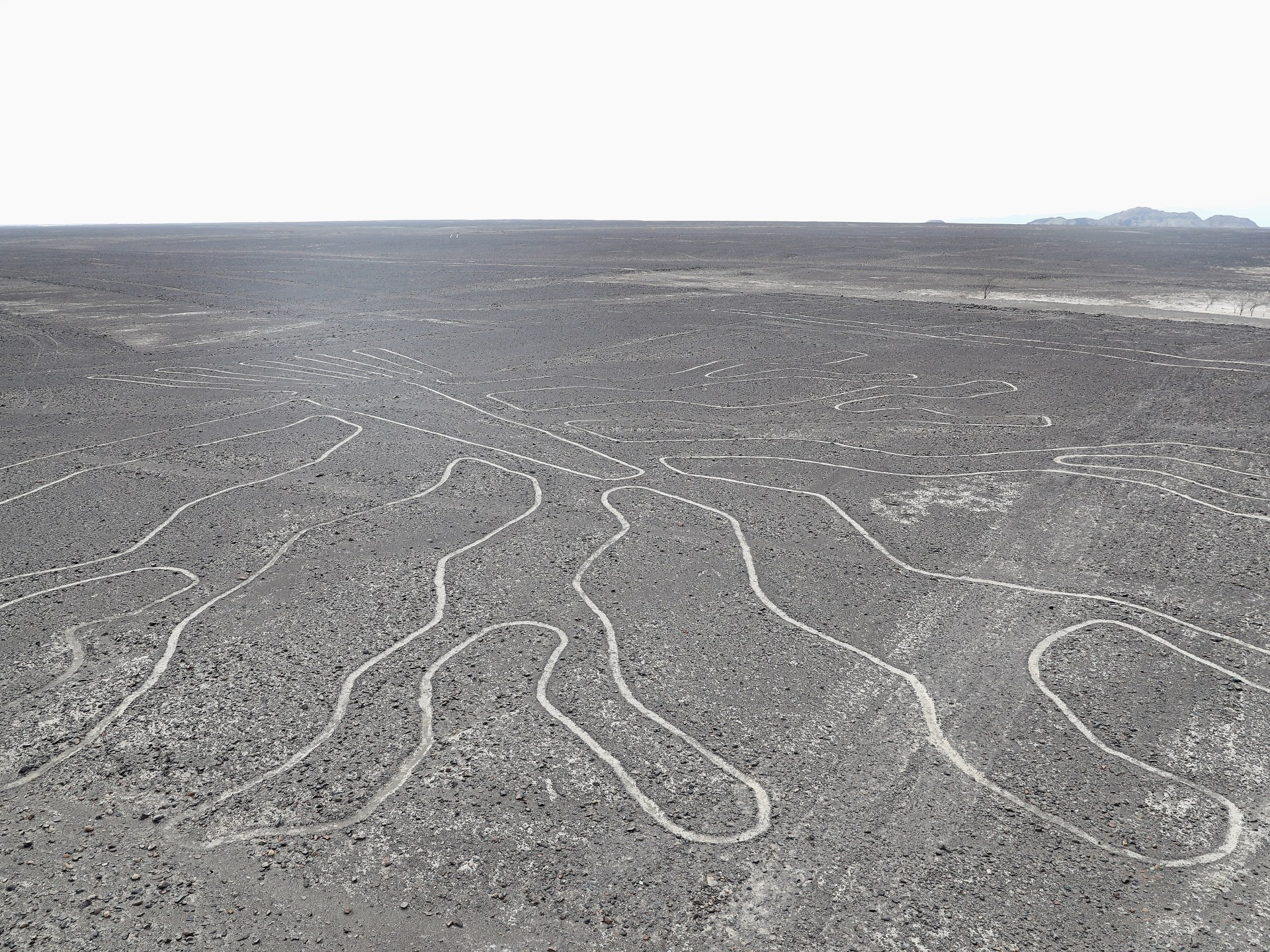
A small plane crash while touring the Nazca Lines in Peru has resulted in 13 fatalities, including tourists and crew.




Subscribe to
our news
Get the most important updates and top stories in your inbox.