




 Technology27 Apr 2026
NASA's Future: Building on the Success of Artemis II
NASA aims high after Artemis II's success with Artemis III, a Mars mission, and plans for a lunar base by 2033. Explore what's next!
Building on Artemis II's Success
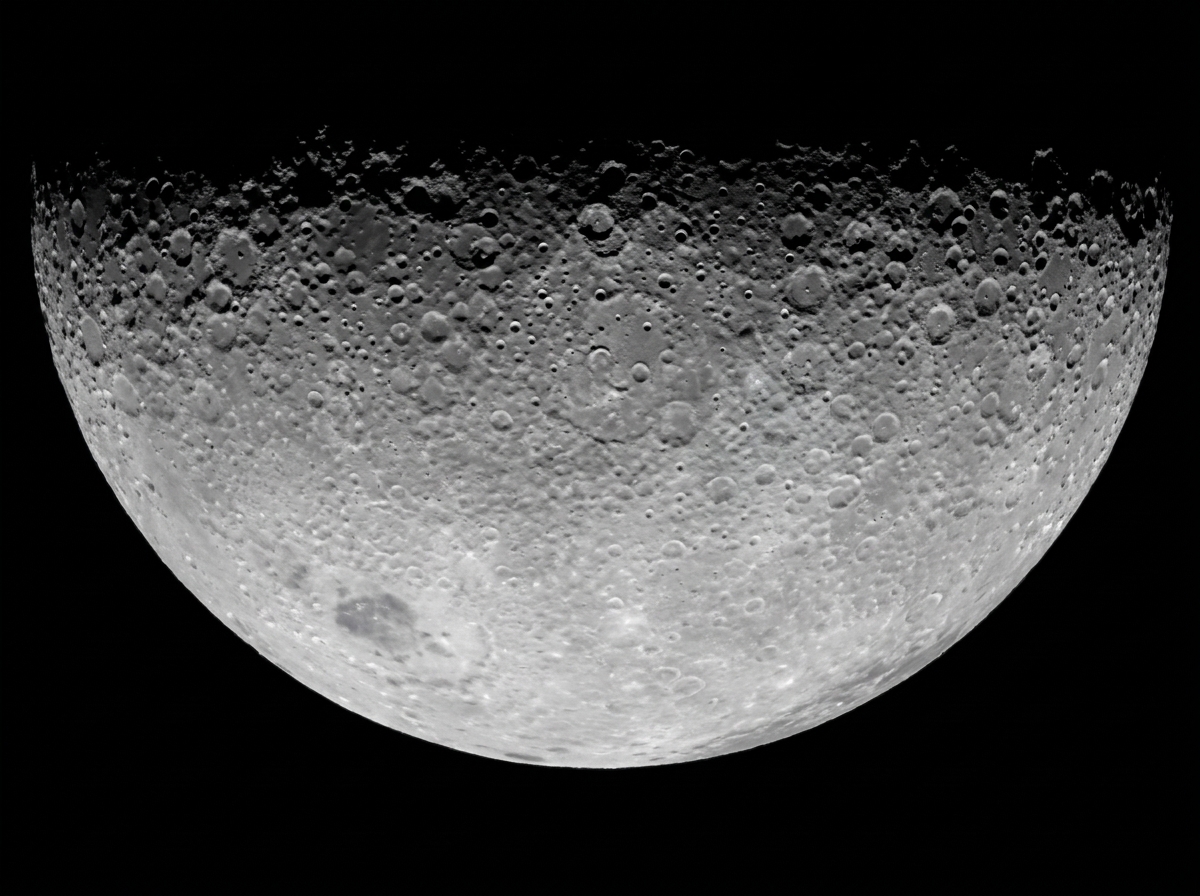
NASA's Artemis II mission has reignited excitement in lunar exploration, marking the first crewed mission to orbit the Moon in nearly five decades. With the successful return of its astronauts, NASA is gearing up for ambitious plans that extend far beyond the Moon.
The Road Ahead: Artemis III and Beyond
Following the historic Artemis II mission, NASA is now setting its sights on Artemis III, scheduled for launch in 2027. This mission will focus on critical testing with lunar landers in low Earth orbit, pivotal for future lunar explorations. Unlike its predecessor, Artemis III is no longer solely about landing humans on the moon; it has evolved into a testing platform for both SpaceX and Blue Origin's commercial lunar landing technologies.
According to NASA representatives, this change is part of a broader strategy to reduce time between launches and ensure astronaut safety by maintaining consistent momentum in their lunar exploration efforts.
Advancements in Spacecraft Technology: Introducing the SR-1 Freedom
In addition to lunar missions, NASA is also making strides in interplanetary travel with the development of the SR-1 Freedom, a nuclear-powered spacecraft. Scheduled to launch in December 2028, the SR-1 Freedom aims for Mars, utilizing nuclear fission for propulsion. This innovative technology could pave the way for more extensive missions beyond Earth.
The SR-1 Freedom will deploy a payload named Skyfall, composed of drones that will scout for subsurface water and gather data crucial for future human missions to Mars. This represents a significant leap in NASA's strategy to explore Mars, as the agency seeks to understand the planet better and prepare for potential human landings.
The Ignition Program: Envisioning a Permanent Lunar Presence
The ultimate goal of NASA’s endeavors is encapsulated in the Ignition Program, a massive $20 billion initiative aimed at establishing a permanent human presence on the Moon by 2033. The program is structured into three phases, each building on the last:
- Phase One: This phase involves building and testing infrastructure, including numerous landers and research missions, with a total of 25 launches and 21 moon landings anticipated.
- Phase Two: This phase is expected to include 27 additional launches aimed at establishing early infrastructure, focusing on semi-habitable structures on the lunar surface.
- Phase Three: The final phase integrates nuclear power and aims for continuous human presence on the Moon, predicting a heavy infrastructure rollout involving 29 launches and 28 landings.
NASA Administrator Jared Isaacman assured the public of the ambitious nature of this undertaking, stating, "We have the vision, resources, and experience to achieve our goals in lunar exploration."
Conclusion: A New Era for NASA
As NASA pivots towards its ambitious future with Artemis III, the SR-1 Freedom, and the Ignition Program, it's clear that the agency is committed to not only returning humans to the Moon but also enabling sustained exploration of the universe beyond. With these missions, NASA envisions a future where human presence in space becomes routine, fostering advancements in technology and scientific understanding that could benefit life on Earth and beyond.
Popular news
A small plane crash while touring the Nazca Lines in Peru has resulted in 13 fatalities, including tourists and crew.





Subscribe to
our news
Get the most important updates and top stories in your inbox.