




 Health30 May 2026
Nature-Maxxing for Stress Relief: Environmental Neuroscientists Share 20-Minute Rule
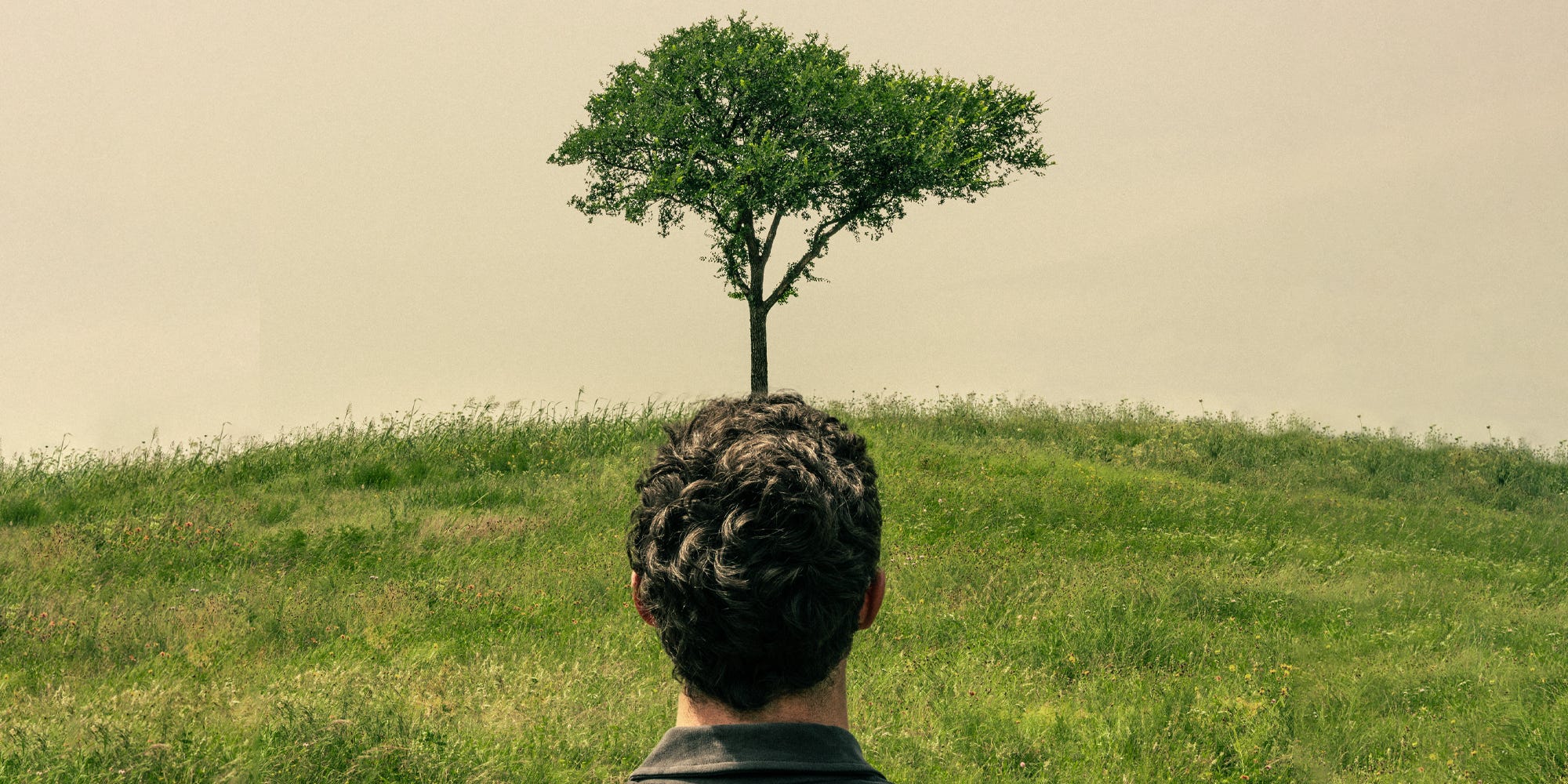
To boost mental well-being, spend 20 minutes in nature at least three times a week, according to environmental neuroscientists.
Unlocking Nature's Benefits for Mental Health
In today's fast-paced world, finding effective ways to manage stress is essential. Environmental neuroscientists stress the importance of spending at least 20 minutes in natural settings to experience significant psychological benefits. This revitalizing time in green spaces can help counter stress, chronic diseases, and feelings of loneliness, ultimately contributing to improved mental well-being.
The 20-5-3 Rule Explained
To maximize the calming effects of nature, experts suggest adhering to the 20-5-3 rule:
- 20 minutes in green spaces, three times a week
- 5 hours in semi-wild environments once a month
- 3 days off-grid annually
These recommended durations can act as a minimal effective dose of nature exposure, which is vital for those looking to enhance their mental health amidst urban living.
Nature's Restorative Powers
According to Dr. Marc G. Berman, an associate professor of psychology at the University of Chicago, nature promotes attention restoration—an essential process for cognitive rejuvenation. Berman notes that our daily lives rely heavily on directed attention, which can quickly become fatigued, while involuntary attention allows our minds to relax and recuperate, especially in environments that evoke soft fascination.
Bridging the Nature Gap
With more than half the global population residing in urban areas, access to natural settings is increasingly limited. Berman highlights that the benefits of engaging with nature can still be realized, even when natural environments are not immediately accessible. Simple ways to 'naturize' indoor spaces, such as incorporating plants or imagery of nature, can stimulate mental well-being. Studies have shown that viewing photographs of natural environments enhances brain connectivity and cognitive function.
Transformative Personal Experiences
A parallel story comes from Manny Almonte, who founded Camping to Connect in 2018. He recognized the restorative power of nature during a camping trip to Lake George. His organization now facilitates outdoor experiences for young men of color, stressing the profound emotional breakthroughs participants experience while immersed in nature. “You give them permission to feel the grass, and it’s like a revelation,” Almonte remarked.
Inspiring Figures Balancing Nature and Busy Lives
To inspire others, notable individuals share how they integrate nature into their lives despite hectic schedules:
- Martin Heinrich, U.S. Senator from New Mexico, creates a nature-inspired working environment to maintain his connection to the outdoors. He emphasizes that every child should have access to natural spaces.
- Rick Tallman, founder of a sustainable energy consulting firm, escapes the urban grind through immersive solo backpacking trips, highlighting the importance of having nature as a refuge.
- Thosh Collins, an indigenous educator, uses natural settings for both fitness and reflection, emphasizing the chance to reconnect with what truly matters.
Ultimately, experts agree on the undeniable link between spending time in nature and enhanced mental health. Engaging with the great outdoors—or even just green spaces—can provide critical relief from everyday stressors while nurturing both body and mind.
Popular news
New York has declared a disaster emergency over rising measles cases, especially among under-immunized populations, with 108 confirmed cases.




Subscribe to
our news
Get the most important updates and top stories in your inbox.