





 Sport28 May 2026
NBA Draft Lottery Reform: Winners and Losers of the New System
The NBA's draft lottery reform introduces a new model that benefits teams like the Spurs and Thunder while complicating outcomes for small-market squads.
NBA Draft Lottery Reform Approved
In a significant move aimed at curbing tanking in the league, the NBA's board of governors has officially approved draft lottery reform. The new rules were passed with an overwhelming 29-1 vote, with only the Memphis Grizzlies dissenting. Dubbed the "3-2-1" model, these changes will come into effect starting with the 2024 NBA draft, reshaping how teams acquire talent and manage their futures.
Key Changes in the New Lottery System
Beginning next year's draft, the 37 total lottery balls will be allocated among 16 teams in a graduated manner. Here are the critical elements of the reform:
- The three teams with the worst records in the league will each receive two lottery balls, while the next seven teams will get three each.
- The 9th and 10th seeds in both conferences will also receive two lottery balls, thus diminishing the likelihood that worse-performing teams dominate the top draft slots.
- Importantly, teams will no longer be allowed to pick first in consecutive drafts or in the top five for three straight years, aiming to maintain competitive balance by distributing top talents more evenly.
- A new stipulation prohibits teams from protecting picks between No. 12 and No. 15 in trades, allowing more strategic flexibility.
The NBA commissioner will now have the authority to impose penalties on teams perceived as tanking, including adjusting lottery odds, thereby increasing competitive integrity.
Winners of the New Draft Lottery Model
Spurs and Thunder
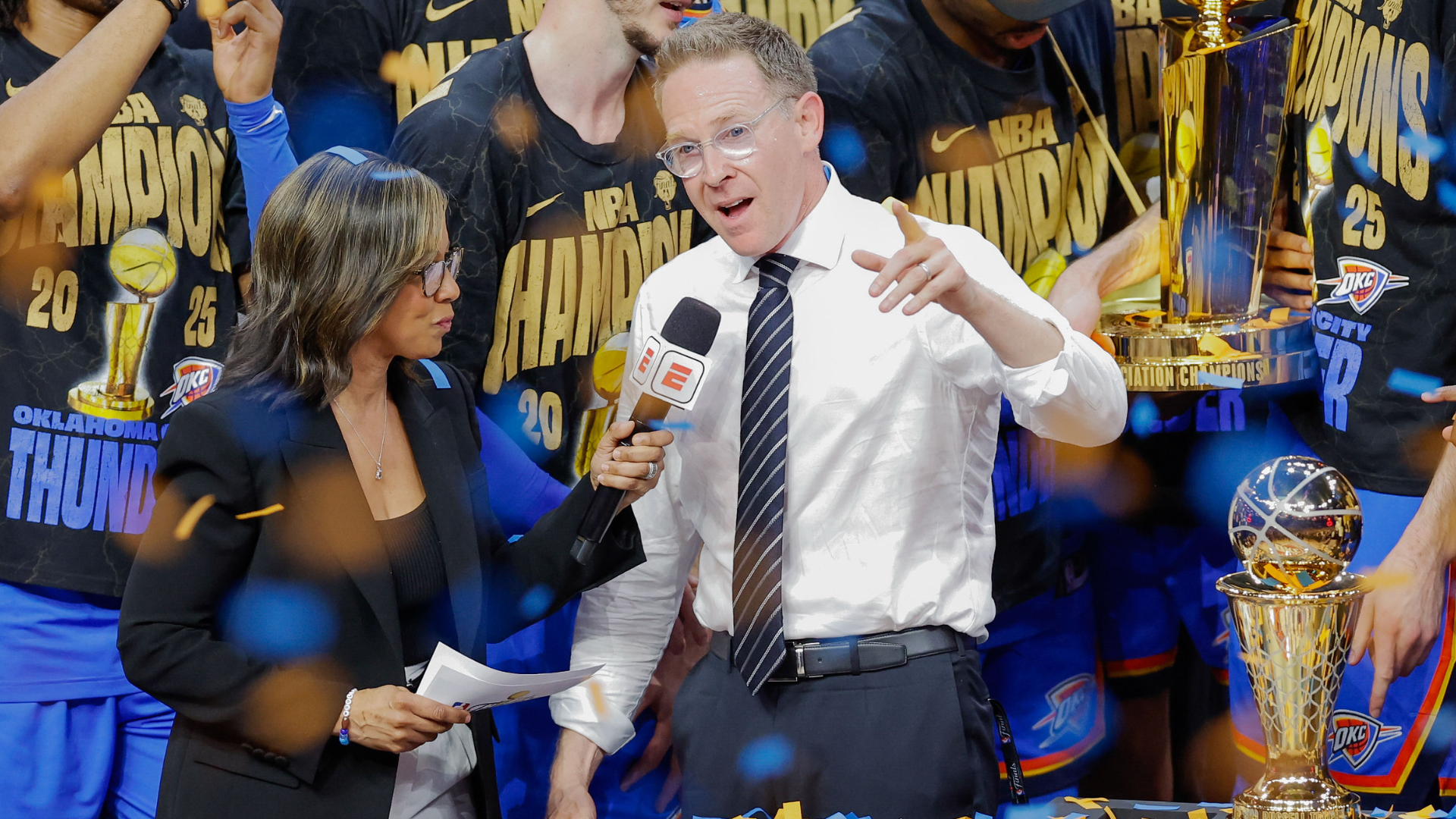
The San Antonio Spurs and Oklahoma City Thunder have emerged as the model's primary beneficiaries. Over the past few years, both franchises have strategically accumulated valuable draft assets, positioning themselves well for success under the new system. This reform allows teams to stack picks more effectively, as the odds of jumping into the top slots are no longer tethered to just the worst records. Thus, solidifying draft picks becomes crucial for teams looking to deepen their rosters.
Miami Heat
The Miami Heat also stand to gain significantly from these changes, following a historically non-tanking approach to building their squad. The reforms enhance the odds for middle-tier teams to obtain high-ranking picks, supporting Miami's philosophy of gradually building through the draft instead of plunging into intentional losses. With a track record of discovering talent like Bam Adebayo and Tyler Herro late in drafts, the Heat are well-positioned to capitalize on this new landscape.
Losers Under the Reformed System
Small-Market Teams
In contrast, small-market teams face an uphill battle in acquiring top-tier talent. The reform may inadvertently prolong the struggles of franchises lacking star power since they rely heavily on draft success to build competitive teams. As more established clubs reap the benefits of this lottery model, smaller franchises could find themselves at a disadvantage when competing for elite players in free agency and trades.
Sacramento Kings
The Sacramento Kings represent a cautionary tale, missing a prime opportunity to secure a high draft pick. After fluctuating performance this season, they ended with the fifth-worst record despite being in contention for the top spot early in March. Their decisions not to embrace a rebuilding approach while trading key players have hampered their chances in this new environment.
Conclusion: A Shift in the NBA Landscape
The overall impact of the NBA's draft lottery reform remains to be seen, as teams adjust to the new realities of player acquisition, However, the immediate outcomes suggest a widening chasm between the league's elite and smaller-market teams, raising questions about competitive balance and future strategies in roster management. As the Spurs and Thunder gear up to leverage their assets, the concerns of small-market teams become more pronounced in this evolving landscape.
With these changes officially passed, the NBA looks to foster a system that promotes fairness and reduced instances of tanking, aiming to revitalize the league's competitive narrative for years to come.
Popular news
Google's open source bug bounty program is on hold until 2027 due to an influx of invalid AI submissions.


Subscribe to
our news
Get the most important updates and top stories in your inbox.
