




 Sport27 May 2026
New Bipartisan Bill Aims to Reform College Sports with Salary Caps and Antitrust Protections
A bipartisan bill set to be introduced soon aims to impose salary caps on college athletes and provide limited antitrust protections.
Introduction
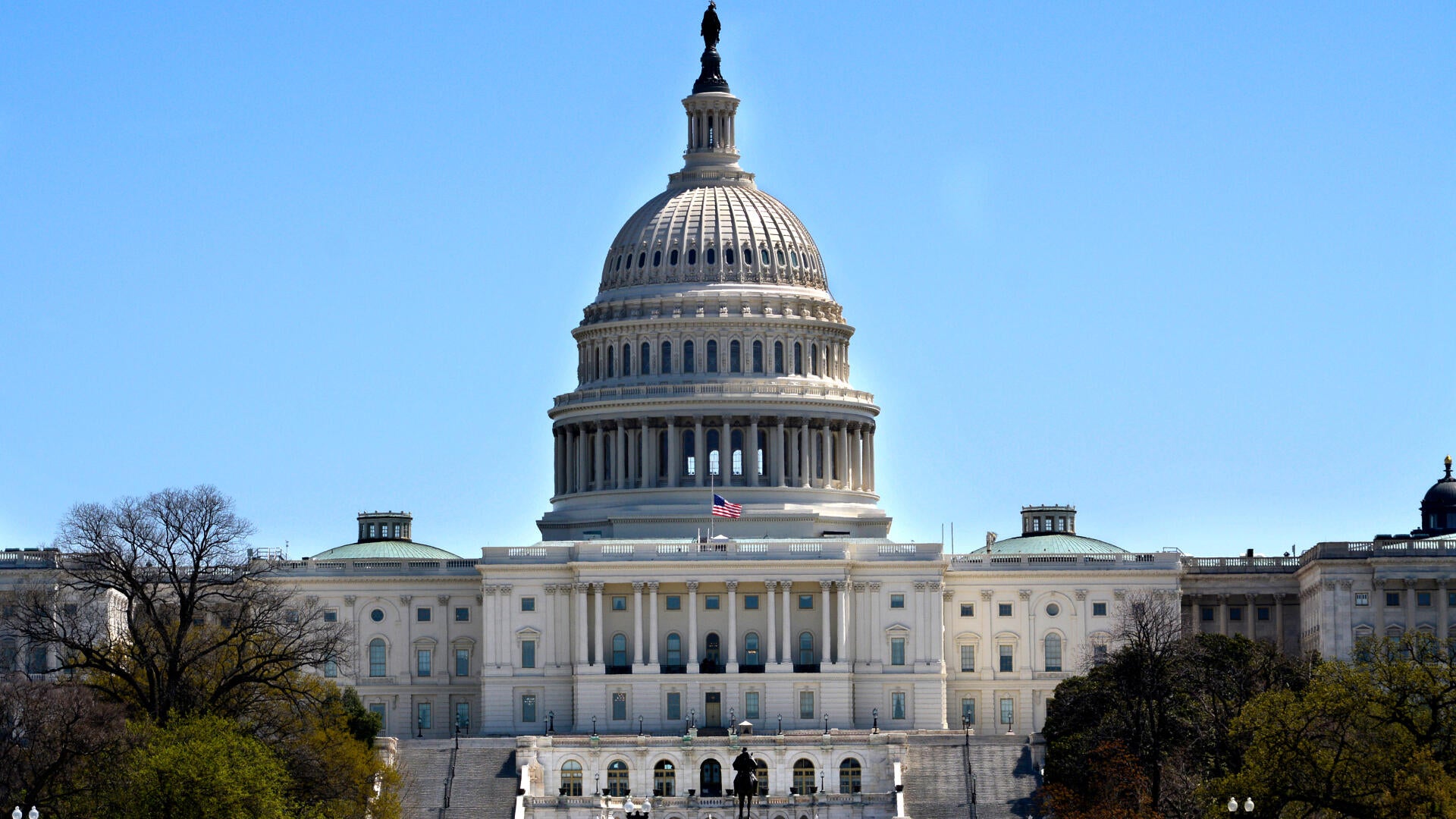
A significant shift is on the horizon for college sports, as a new bipartisan bill spearheaded by Senators Ted Cruz (R-Texas) and Maria Cantwell (D-Wash.) is expected to be introduced in the coming days. This bill aims to address long-standing issues in college athletics, including player compensation and antitrust protections, potentially reshaping the landscape of the NCAA.
Key Provisions of the Bill
According to sources familiar with the legislation, the draft will provide a limited antitrust exemption that would enable the NCAA and its member institutions to write and enforce their own rules regarding player eligibility and transfers. This essential legal shield is expected to revolutionize the way players interact with college programs, particularly in regard to the contentious transfer portal.
Salary Caps and NIL Deals
Among the most critical aspects of the bill is the introduction of an enforceable salary cap on player compensation. Although schools have recently begun sharing a portion of their revenues with athletes due to court settlements, unregulated NIL deals, especially those linked to booster collectives and multimedia rights holders, have created significant pay disparities among college athletes.
Sources confirm that while the bill will limit these exploitable NIL arrangements, legitimate, market-value deals will not face restrictions, offering a dual approach to ensuring fair compensation.
Transfer Portal and Eligibility
Another major component of the legislation is its guidance on player transfers. It is anticipated that the bill will legally restrict players to a maximum of one transfer during their college careers. This proposal comes as the NCAA considers an age-based eligibility model, allowing players to participate for up to five seasons.
Concerns and Challenges Ahead
While many in the college sports community eagerly anticipate the bill's introduction, concerns remain regarding certain provisions. Notably, the issue of coaching salaries has been raised, as some proposals have floated the idea of placing caps on what college coaches can earn—a move that could further complicate the recruitment and retention of top coaching talent.
Revenue Generation Through Media Rights Pooling
Of particular interest is the potential for media rights pooling outlined in the bill. This would allow universities and conferences to collectively market and sell their broadcast inventory, potentially generating over $9 billion in new revenues. The proposal aims to ensure that revenues do not come at the cost of scholarships for women's and Olympic sports, a critical consideration in the current landscape of collegiate athletics.
Legislative Strategy and Timeline
As the proposed legislation moves through the pre-introduction process, its future hinges on the Senate's schedule and the upcoming midterm elections, which may hinder legislative momentum. Prior failed attempts, such as the NCAA-backed SCORE Act, underscore the hurdles this bill may face before reaching the president's desk.
Senators Cruz and Cantwell's initiative hopes to rectify the governance of college sports, striving to prevent a fractured environment where universities operate under autonomous bylaws that could create competitive disparities. With time running short before summer recess and the pressure of an impending executive deadline from the White House, stakeholders are watching closely to see if bipartisan support can lift this bill off the ground.
Popular news
New York has declared a disaster emergency over rising measles cases, especially among under-immunized populations, with 108 confirmed cases.




Subscribe to
our news
Get the most important updates and top stories in your inbox.