




 Business17 Apr 2026
New Citizenship Data Requirement for Banks Could Cost Billions
The Trump administration's new executive order may impose hefty costs on banks while discouraging individuals from accessing banking services.
Executive Order Proposal Raises Compliance Concerns
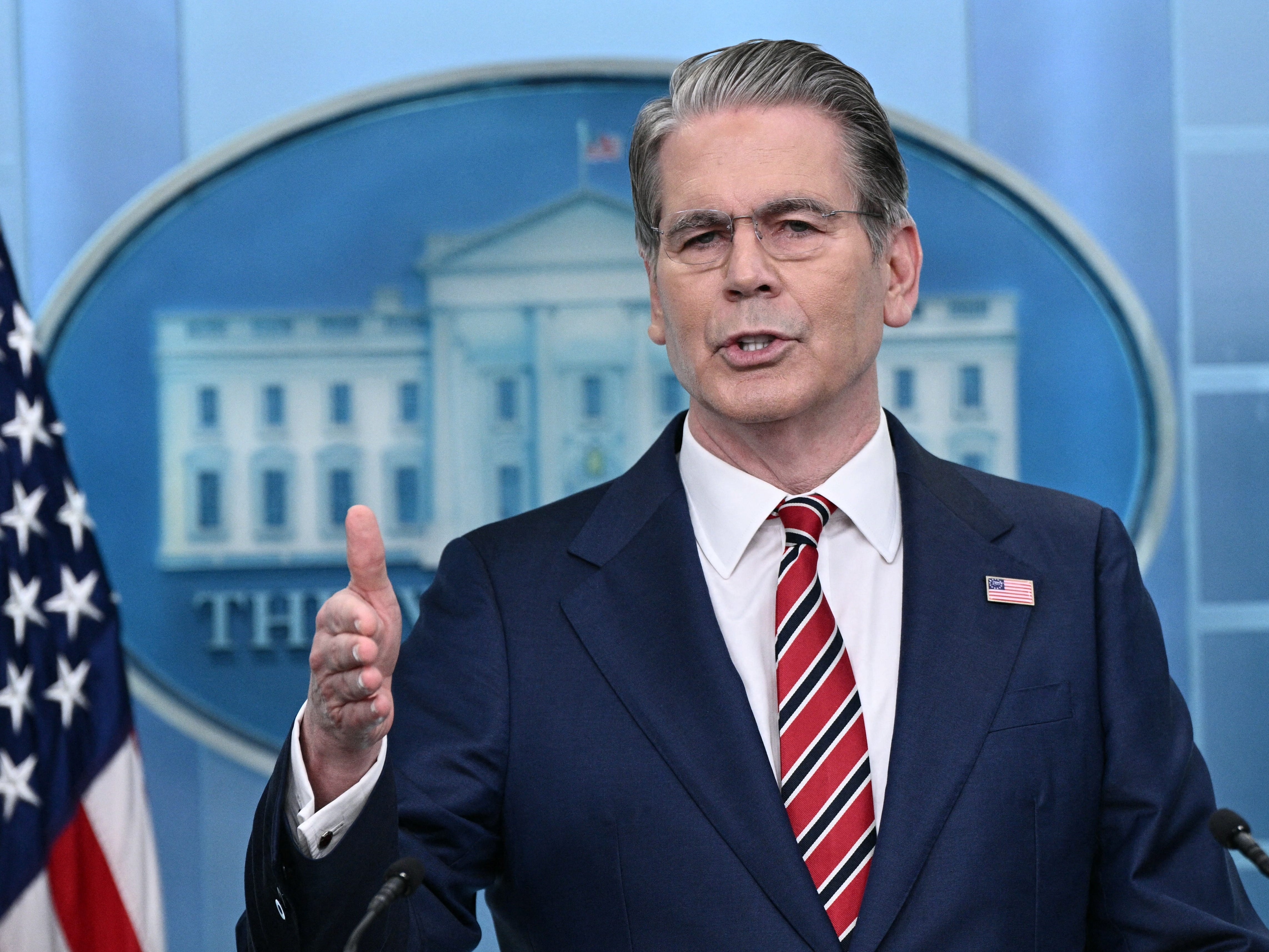
The Trump administration is advancing plans for an executive order that would require banks to collect citizenship data from both new and existing account holders. This significant regulatory shift, as indicated by Treasury Secretary Scott Bessent, is aimed at tightening the collection of personal information within the financial system and may lead to substantial costs for banks across the United States.
Financial Implications and Compliance Burden
According to estimates from the American Action Forum, the new requirement could saddle banks with compliance costs ranging from $2.6 billion to $5.6 billion. The proposed regulation is projected to add between 30 million and 70 million hours of additional paperwork for financial institutions. Bessent noted that banks should prepare for the upcoming requirements, emphasizing that compliance would fall squarely on their shoulders.
"If Treasury and the banking regulators say it's their job, it's their job," Bessent remarked during a recent announcement.
The Existing Framework of Customer Identification
Currently, banks are required to verify customer identities under the federal Customer Identification Program, which mandates they collect names, birthdays, addresses, and taxpayer identification numbers such as Social Security Numbers. However, the collection of citizenship documents has not been a standard requirement, leading industry experts to express concerns over the added complexities that could emerge from the new regulation.
Chasse Rehwinkel, president of Devon Bank, described the potential requirement to verify citizenship as unnecessary and burdensome, arguing that it might discourage individuals lacking specific documentation, such as a passport or birth certificate, from accessing banking services. "People who don't have access to banking often have to rely on predatory lenders," he explained, illustrating the potential dangers of excluding individuals from the financial system.
Potential Customer Retention Challenges
Economic analysts warn that the strict collection of citizenship data could not only deter potential customers but also lead to an erosion of the banker-customer relationship. Many consumers could view the additional documentation requirements as intrusive, pushing them towards alternative financial services that do not impose similar regulations.
Increased Costs for Banks and Consumers
George Braunegg, a professor at the University of Southern California, highlighted that the new regulations would lead to increased costs related to onboarding procedures, system upgrades, and ongoing audits. These expenses could potentially be passed down to consumers in the form of higher account fees.
Furthermore, Braunegg noted the potential for significant losses in customer base, particularly among those wary of revealing their citizenship status, such as undocumented immigrants and dual citizens. This demographic, naturally cautious about financial disclosure, could seek banking alternatives, exacerbating the challenges for traditional banks.
Balancing Compliance with Privacy Concerns
While some experts recognize the potential benefits of tracking financial flows and enhancing compliance with tax obligations, the overarching concern remains the impact on individual privacy. Anil Kashyap, an economics professor at the University of Chicago, emphasized that many individuals may resist sharing extensive personal data with banks, leading to further disillusionment with the traditional banking system.
The proposed requirement would affect a substantial majority of Americans, as approximately 96% of US households held a bank account as of 2023, according to FDIC data. This broad-reaching mandate may be perceived as counterproductive to the Trump administration's previous deregulatory agenda, raising questions about the future of banking regulations in the United States.
In recent developments, Trump's administration has increased visa application fees and discussed caps on credit card interest rates, moves that hint at potential industry upheaval just as financial institutions had anticipated an era of less regulation. With the Treasury and White House yet to comment on the unfolding situation, the banking industry remains on high alert over impending changes that could reshape the landscape of American finance.
Popular news
A small plane crash while touring the Nazca Lines in Peru has resulted in 13 fatalities, including tourists and crew.





Subscribe to
our news
Get the most important updates and top stories in your inbox.