





 Business30 May 2026
New Research Highlights Missing Narratives in Media for Black Women
A recent study unveils the missing narratives in media representation for Black women, calling for stories that reflect their true experiences.
New Insights on Media Representation for Black Women
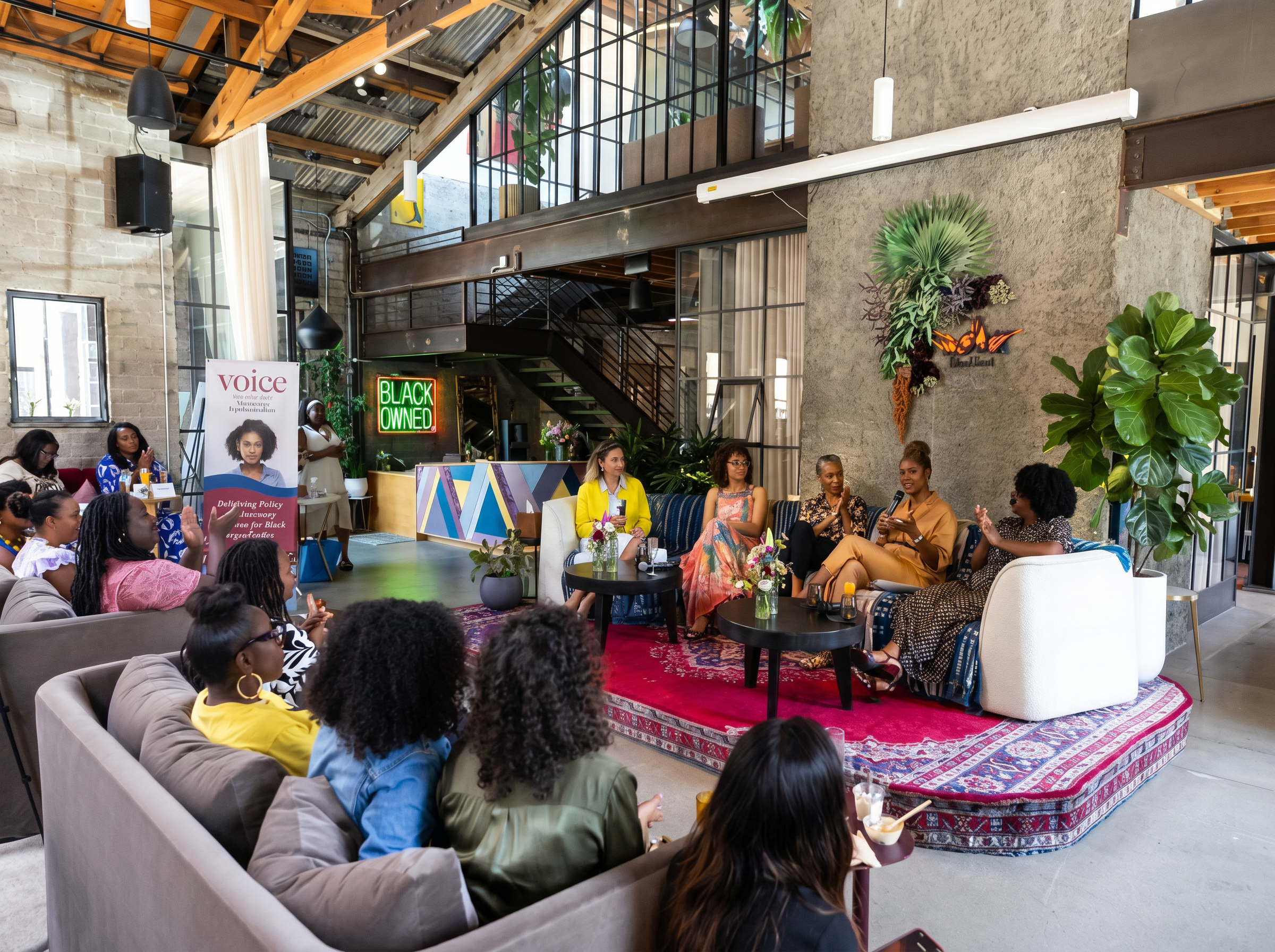
On May 29, In Our Own Voice: National Black Women’s Reproductive Justice Agenda released new qualitative research that underscores the significant narratives missing in media representation of Black women. The study, dubbed Narrative Demand™, arises from the organization's Narrative Power for Justice Initiative (NPJI) and presents a profound examination of what these women's perspectives reveal about their representation in cultural narratives.
The Narrative Demand Study
Conducted in partnership with the public opinion research firm PerryUndem, this extensive research involved in-depth interviews with 36 diverse Black women and girls across the United States. It generated over 2,300 responses in just two weeks, shedding light on the disconnection between dominant narratives and the stories that Black women feel are absent or misrepresented in mainstream media.
Dr. Regina Davis Moss, the President and CEO of In Our Own Voice, expressed the urgency of their findings, stating, "This research helped us understand something larger than representation alone. Black women are identifying a gap between the stories that dominate culture and the stories they actually need to see for their realities, dignity, and experiences to be fully understood."
Key Findings of the Research
A recurrent theme emerged from the discussions, highlighting that Black women are not just rejecting harmful portrayals; they seek to actively shape the narratives surrounding them. Participants articulated a demand for stories grounded in care, emotional safety, and dignity. Many respondents described a longing for media that reflects positive relationships, rest, joy, and the complexity of everyday lives—as opposed to one-dimensional depictions centered on struggle.
Some notable insights include:
- A strong urgency for positive portrayals in media to combat harmful stereotypes.
- An identified gap in narrative diversity, illustrating the need for new storylines that encapsulate the true essence of Black womanhood.
- Participants expressed desires for characters that embody a multilayered existence, illustrating positive traits such as softness and protection.
Representation in Media: The Current Landscape
In light of recent criticism concerning representation in Hollywood, particularly regarding the diverse portrayal of actors, this study's findings are timely. Despite a rise in diverse projects, statistics reveal a decline in representation for Black actors. In 2025, the percentage of Black actors in lead roles decreased, while white actors' shares increased significantly. Dr. Moss noted the implications of this trend, remarking, "It’s essential to understand how narratives shape perceptions and the impact on the recognition of humanity across various communities."
Survey Responses and Reflections
When surveyed, 21 out of 36 participants indicated they felt seen and respected in television shows such as Abbott Elementary and The Equalizer, while 15 expressed dissatisfaction with current portrayals. This discrepancy illustrates the ongoing need for authentic representation that resonates with the lived experiences of Black women and girls.
Dr. Moss emphasized that understanding the complexities of Black women's narratives is crucial, asserting that the absence of these stories in mainstream media reflects broader societal issues regarding who is deemed worthy of narrative spaces.
She concluded, "It's about exploring how these narratives can promote thriving and recognizing whose humanity is uplifted in public discourse."
As initiatives like In Our Own Voice continue to push for more nuanced media representation, this study serves as a critical reminder of the narratives that remain untold and the importance of cultural sensitivity in storytelling.
Popular news
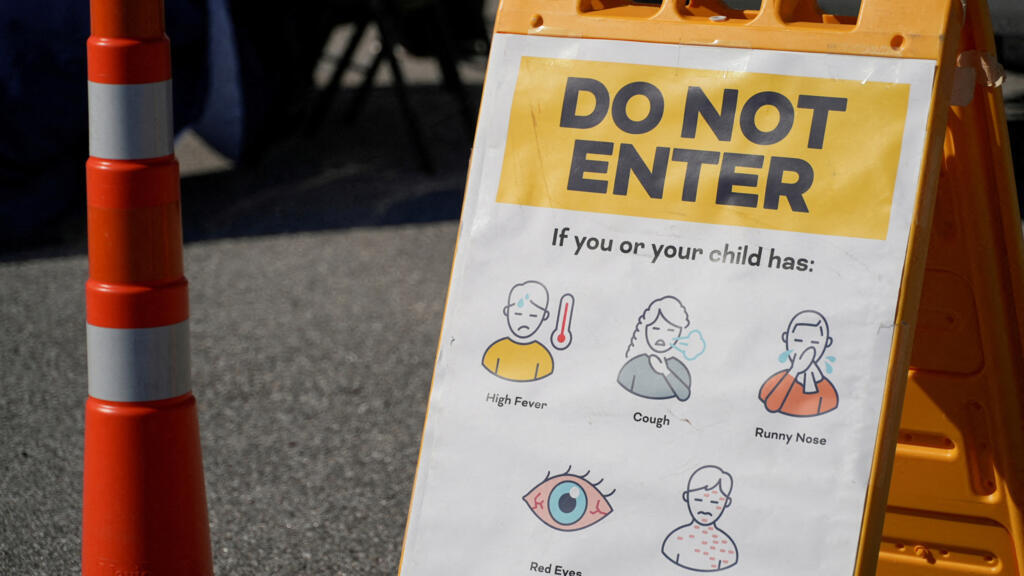
New York has declared a disaster emergency over rising measles cases, especially among under-immunized populations, with 108 confirmed cases.
Subscribe to
our news
Get the most important updates and top stories in your inbox.
