





 World31 May 2026
Nigeria’s Digital Herbal Market: A Risk to Public Health
Nigeria sees a surge in health risks from unverified herbal remedies sold online, raising alarms among healthcare professionals.
Growth of Unverified Herbal Remedies in Nigeria
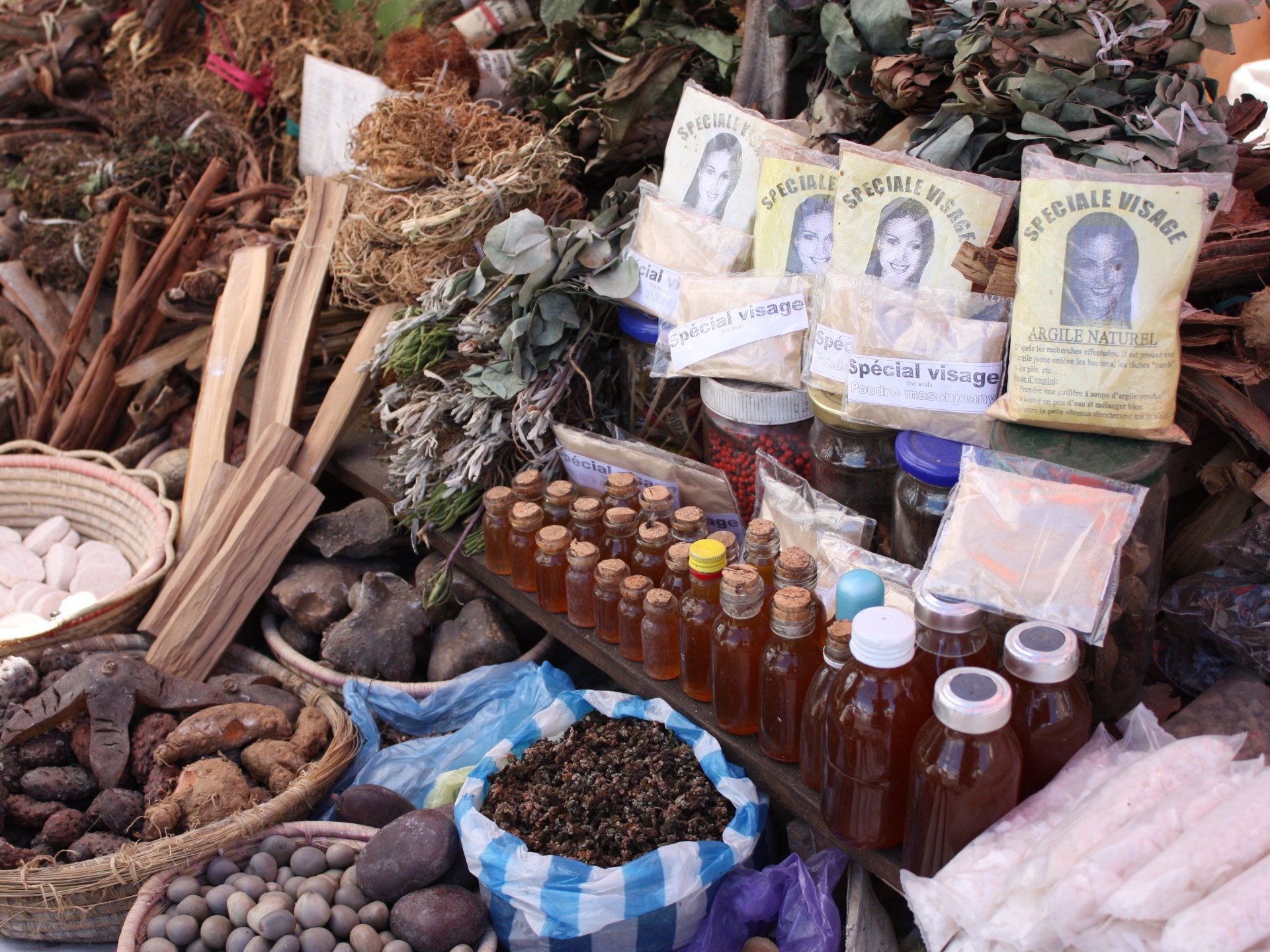
In recent years, Nigeria has witnessed a dramatic increase in unverified herbal remedies being touted as miracle cures through social media platforms. This phenomenon, often referred to as an 'algorithmic apothecary', has raised significant health concerns as users unknowingly put themselves at risk.
The Surge in Self-Medication
Oke Bola, a 42-year-old woman, shared her alarming experience after purchasing a fertility supplement online known as Jinja Herbal Mixture. What began as hope for pregnancy quickly turned into a health crisis; after increasing the dosage, she began to experience severe breathing difficulties.
“I recognized the symptoms of asthma; the wheezing sound at night was familiar,” she recounted. Despite having no prior health issues, Bola's symptoms subsided only after she discontinued the product. Unfortunately, many others like Bola are encountering severe health issues due to similar herbal products marketed through social media channels.
Case Studies Highlighting Risks
Temi Ahondiwura, a master’s graduate, also reported worsening eye conditions after using a herbal eye treatment promoted on Facebook. Initially claiming to alleviate various eye ailments, the product exacerbated her symptoms instead.
Pharmacist Akinade Akinlolu and Dr. Egemba Chinonso Fidelis note that the modern rise in self-medication driven by false marketing is compounding healthcare pressures in Nigeria. With nearly 230 million people relying on a stressed health system, the dangers posed by unregulated products are escalating sharply.
Impact of Digital Media
According to a report by Surjen Healthcare, the ease of access to health information is leading many Nigerians to seek advice on social media, sometimes with dire consequences. This trend is fueling harmful practices like late admissions to hospitals and increased exposure to counterfeit products.
Regulatory Challenges
The National Agency for Food and Drug Administration and Control (NAFDAC) has acknowledged the complex challenges presented by the rapid growth of unregulated herbal products online. Despite stringent regulations requiring testing and approval before herbal products can be sold, enforcement remains elusive in the virtual marketplace.
Isaac Kolawole, NAFDAC’s southwest zonal director, described difficulties in tracing sellers often using incomplete or fraudulent information. “With the sheer volume of products online, enforcement has limited reach,” he stated, reiterating the agency's commitment to creating partnerships with manufacturers rather than pursuing suppressive measures.
The Dangerous Intersection of Culture and Technology
Herbal remedies have long been embedded in Nigerian culture, offering affordable and familiar options for many. Yet, the combination of weak regulatory frameworks and the booming digital marketplace has led to new, unseen risks. Dr. Yemi Raji, a nephrologist, warns that more patients are presenting at hospitals with exacerbated health conditions caused by unverified herbal treatments.
“Patients often arrive late, when treatment is more difficult and expensive. I advise staying away from medications that have not been verified by NAFDAC,” Raji advised, noting that dialysis can be a hefty financial burden.
Fidelis highlighted that while some herbal treatments could be beneficial, many harmful compounds exist when used incorrectly. He emphasized the critical need for stronger regulatory measures alongside improved access to trusted healthcare resources.
Future Directions
As the digital economy in Nigeria continues to evolve, the intersection of technology, health, and consumer welfare is becoming increasingly intricate. Experts warn that without robust safeguards, the proliferation of the algorithmic apothecary will pose greater risks to public health.
Health advocates like Fidelis argue for a dual approach: enhancing healthcare accessibility while ensuring digital platforms take responsibility for the health content they promote. This multifaceted solution could help mitigate the risks associated with the burgeoning market of unverified herbal remedies, saving lives and ensuring better health outcomes for millions of Nigerians.
Popular news
New York has declared a disaster emergency over rising measles cases, especially among under-immunized populations, with 108 confirmed cases.




Subscribe to
our news
Get the most important updates and top stories in your inbox.
