





 Technology22 Jun 2026
Nvidia Aims to Reduce Data Center Water Usage Amid Ongoing Environmental Challenges
Nvidia reveals a new cooling system that could drastically cut water use, but other factors still contribute to high water footprints for data centers.
Nvidia Introduces New Cooling Technology
Nvidia has recently launched a warm-water cooling system that aims to reduce water consumption in data centers significantly. According to Josh Parker, the company's chief sustainability officer, this innovative technology could potentially eliminate nearly all on-site water usage in these facilities. In a press release, Parker highlighted that, "The water consumption challenge for data centers is largely solved."
The Limitations of Nvidia's Approach
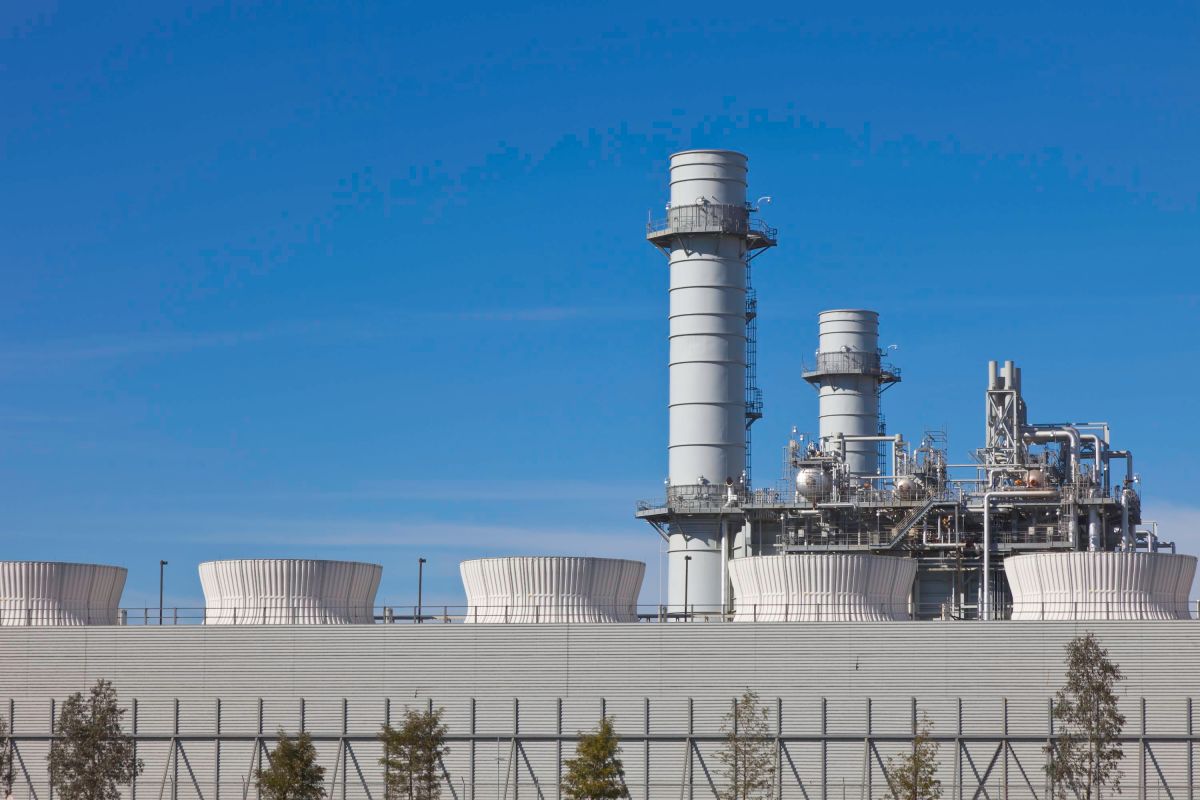
While Nvidia's claims about its cooling system are promising, the reality extends beyond the walls of the data center. The company measures water usage by essentially drawing a boundary around their facilities, counting only the water consumed inside. This focus on internal water use does not account for the significant water consumption associated with electricity generation and chip manufacturing outside of these centers.
Understanding Data Center Water Consumption
Nvidia's new system is designed to pump coolant at high temperatures (45°C or 113°F) to efficiently draw heat away from servers. This innovative closed-loop system ensures that once the coolant is filled, it is recirculated throughout the data center, minimizing new water consumption. It can achieve up to a 100% reduction in on-site water use in optimal conditions.
However, data centers still rely heavily on electricity, predominantly generated from fossil fuel power plants, which are notorious for their high water consumption rates. In fact, fossil fuel power plants in the U.S. consume approximately 2.7 billion gallons of water daily, mostly for evaporative cooling, contributing to a larger water footprint for data centers.
Broader Implications of Water Use
The water consumption associated with energy generation can often double or triple the total water footprint of a facility. For instance, natural gas power plants require 1.17 liters of water for every kilowatt-hour of electricity generated, while coal plants demand even more, at 2.2 liters per kilowatt-hour. Fossil fuels currently provide around half of the electricity powering data centers today.
Nvidia's innovations are commendable, but without addressing the water-intensive nature of electricity generation, the potential water savings from its cooling system remain just a fraction of the overall picture. As the demand for data centers continues to grow, so does the urgency of transitioning to more sustainable energy sources.
Looking Towards Renewable Energy
Renewable energy sources, such as wind and solar power, contribute significantly less water to electricity generation, using about 0.01 and 0.03 liters per kilowatt-hour, respectively. Despite this, current projections indicate that natural gas and coal will still make up a large portion of new electricity needed for data centers through 2030. Without substantial changes, data centers are likely to continue their heavy water consumption, overshadowing internal efficiencies offered by Nvidia and similar technologies.
Popular news
A small plane crash while touring the Nazca Lines in Peru has resulted in 13 fatalities, including tourists and crew.





Subscribe to
our news
Get the most important updates and top stories in your inbox.
