




 Business11 May 2026
Oil Market May Not Stabilize Until 2027 Amid Ongoing Hormuz Disruption, Says Saudi Aramco CEO
Saudi Aramco's CEO warns of a prolonged oil market disruption until 2027 due to ongoing Hormuz tensions, impacting global supply chains.
Ongoing Disruptions in the Strait of Hormuz
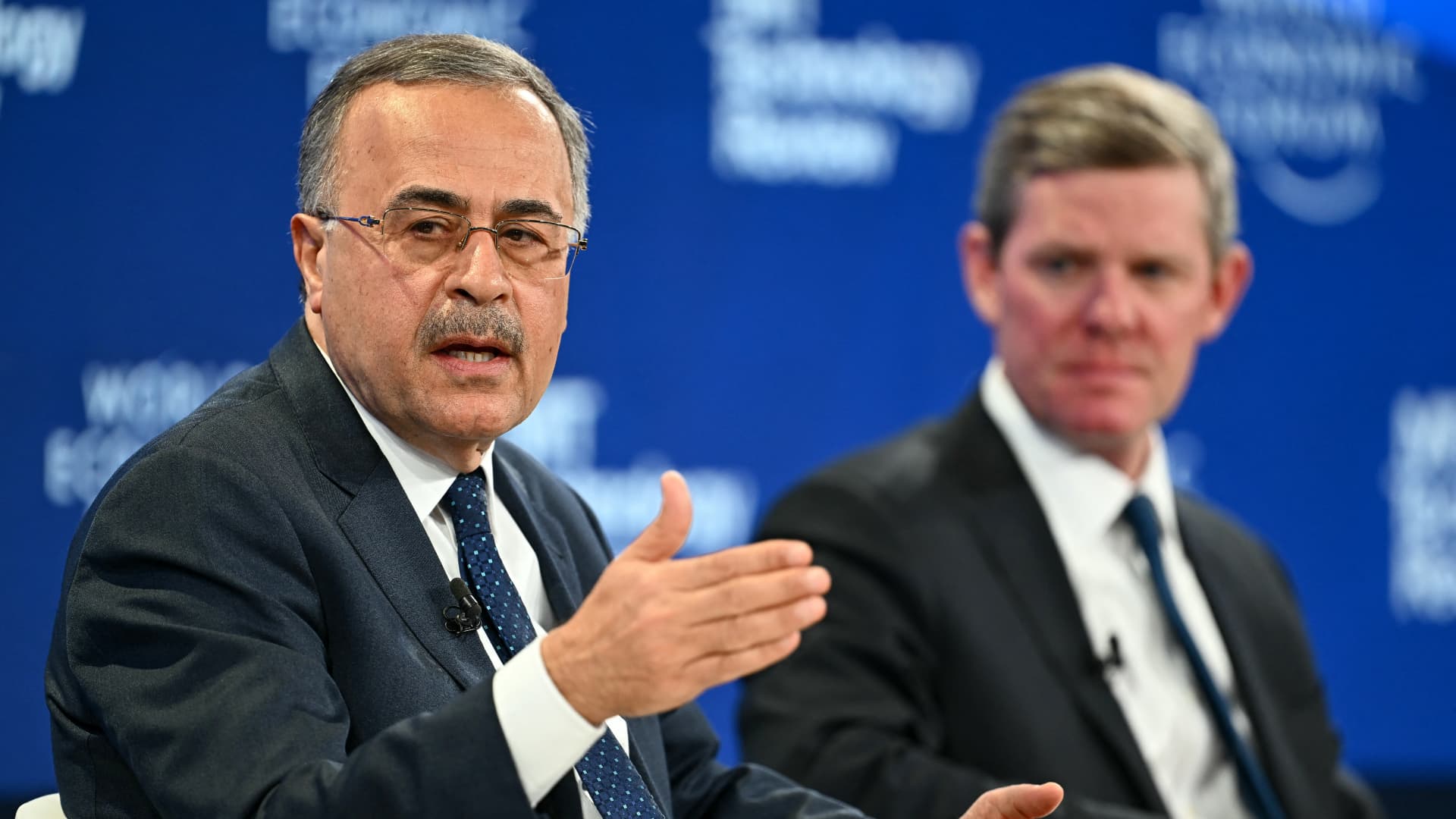
Amin Nasser, the CEO of Saudi Aramco, has communicated alarming predictions regarding the future of the global oil market, asserting that if the current disruptions in the Strait of Hormuz persist, normalization may not occur until 2027. Currently, daily traffic through the crucial maritime route has plummeted to merely 2 to 5 vessels, a stark decline from the 70 ships that typically passed before the onset of regional conflicts that began in early March.
The Impact of the Hormuz Crisis on Supply
Current State of Oil Supply
The blockade’s significant ramifications have resulted in a staggering loss of over 1 billion barrels of oil supply. Nasser highlighted that around 240 ships are currently stranded near Hormuz, unable to transit through one of the world's most vital chokepoints, which traditionally facilitated around 20% of global oil supplies. The ongoing crisis has contributed to what appears to be the largest energy supply shock in recorded history, particularly as oil inventories begin to dwindle, especially for gasoline and jet fuel.
This situation is particularly concerning as it approaches the summer travel season, with Nasser warning that certain refined products may reach critically low levels, exacerbating an already tense situation. "This may reach critically low levels ahead of the summer driving and travel season," he noted during a recent earnings call with investors.
Challenges Facing the Global Tanker Fleet
The critical challenge confronting the global oil market is the disruption of the tanker fleet. According to Nasser, more than 600 vessels, primarily oil and product carriers, are presently immobilized in the Gulf. The current state of affairs has led to a complete logistical mess, with many tankers positioned ineffectively due to the ongoing conflict.
"Even in the most optimistic scenario, energy and commodity supply chains will need several months to return to the pre-conflict traffic as vessels reroute or avoid being idle," Nasser stated. He emphasized the necessity of repositioning tankers from various global locations to restore the balance in oil supply chains.
The Economic Broader Implications
Nasser expressed that the closure of the Strait of Hormuz is costing the oil market approximately 100 million barrels of supply each week. Even if the strait were to reopen today, a full rebalancing of the market would take additional months, with potential delays extending into 2027 if disruptions continue beyond mid-June.
The Saudi East-West pipeline, which circumvents Hormuz by connecting the Gulf to the Red Sea, has seen an increase in its operational capacity, now able to transport up to 7 million barrels per day to mitigate some of the disruptions. Despite these efforts, the longer-term forecast remains bleak as the markets are poised to grapple with ongoing supply challenges and fluctuating demands.
Popular news
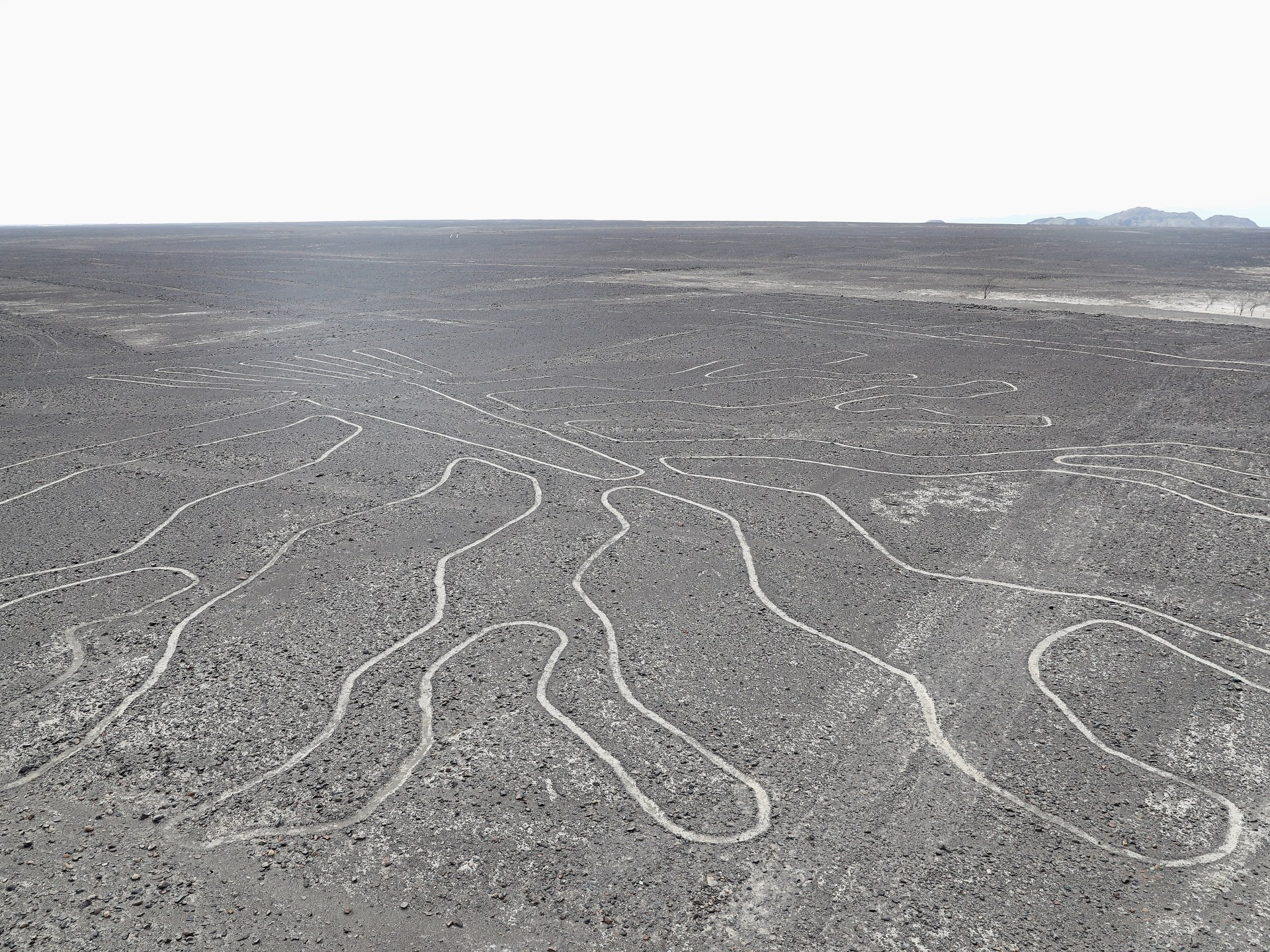
A small plane crash while touring the Nazca Lines in Peru has resulted in 13 fatalities, including tourists and crew.



Subscribe to
our news
Get the most important updates and top stories in your inbox.