




 Business10 Jun 2026
OpenAI Uncovers Suspected China-Linked Influence Operation Targeting US Data Centers
OpenAI identifies a suspected China-linked campaign aimed at discrediting US data centers, utilizing ChatGPT for orchestrated posts.
OpenAI Discovers Suspected Influence Campaign
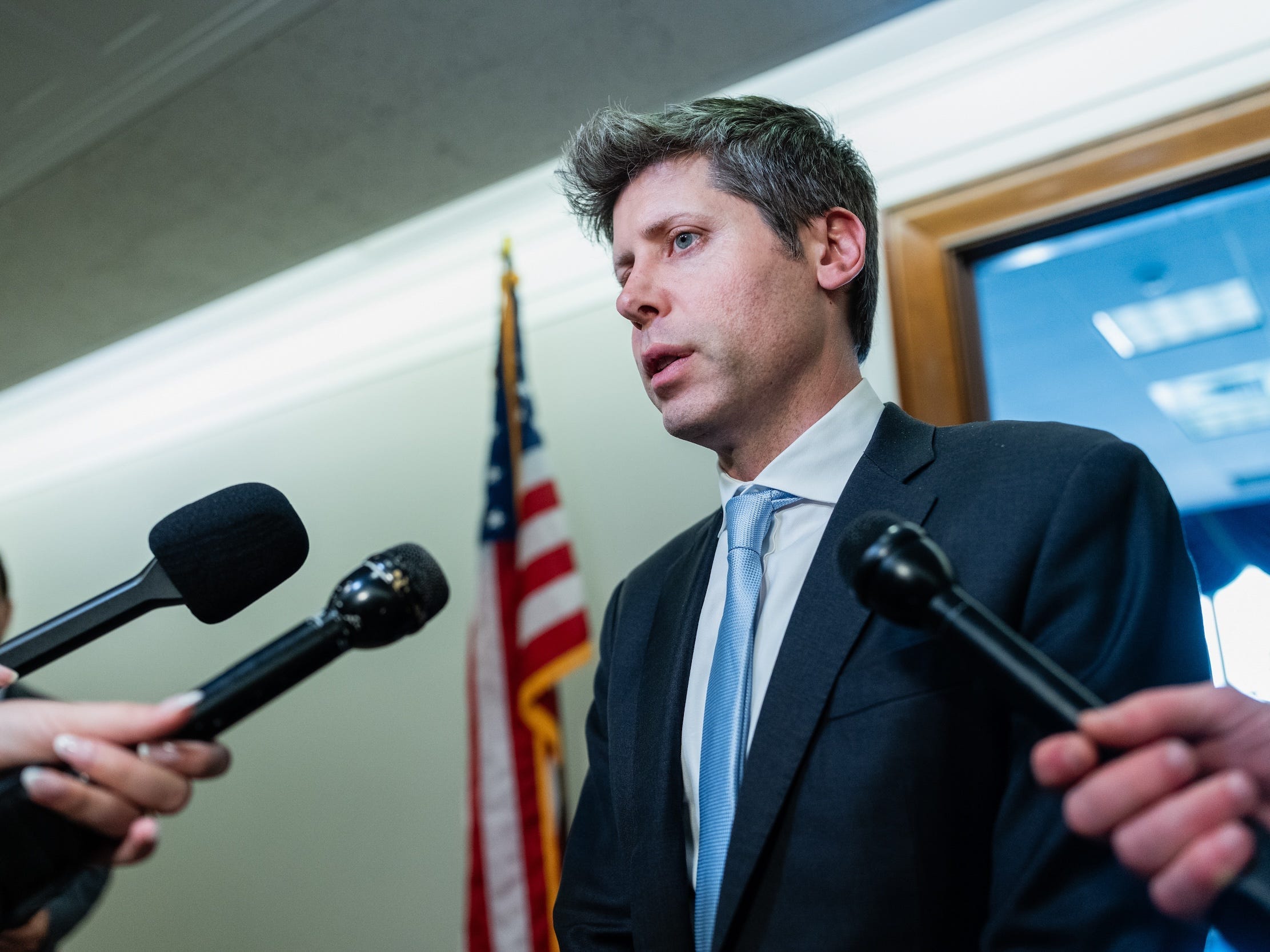
OpenAI has reported the detection of a suspected influence operation geared towards swaying public opinion against US data centers. This campaign, allegedly connected to Chinese interests, involved the use of ChatGPT to generate negative social media posts. However, OpenAI characterized this effort as small in scale and ineffective in gaining substantial engagement.
Details of the Campaign
According to Ben Nimmo, principal investigator on OpenAI's Intelligence and Investigations team, the campaign was a classic example of foreign influence seeking to manipulate existing domestic debates. "This looks like a classic example of a foreign influence operation, jumping onto the bandwagon of a genuine pre-existing domestic debate, and trying to manipulate it by using fake accounts, posing as Americans," Nimmo stated.
Nature and Impact of the Operation
OpenAI noted that the suspected operation, dubbed the "Data Center Bandwagon Campaign," was short-lived and its posts garnered minimal authentic engagement on platforms like X (formerly Twitter) and Facebook. The company identified that the users likely belonged to a social media operations team at a private Chinese technology firm, possibly working for provincial-level government clients.
Nimmo further explained that these users seemed to have utilized VPNs to access ChatGPT, as the platform is not available in mainland China. The findings raise concerns about the strategic attempts to exploit existing public apprehensions regarding data centers, specifically their impact on energy costs and local communities.
A Second Campaign Targeting Tech Policies
In addition to the data center campaign, OpenAI reported another suspected influence operation referred to as the "Tech and Tariffs Campaign." This operation generated comments and political cartoons aimed at criticizing US technology policies, particularly those related to tariffs imposed during the Trump administration.
Content of the Tariff Campaign
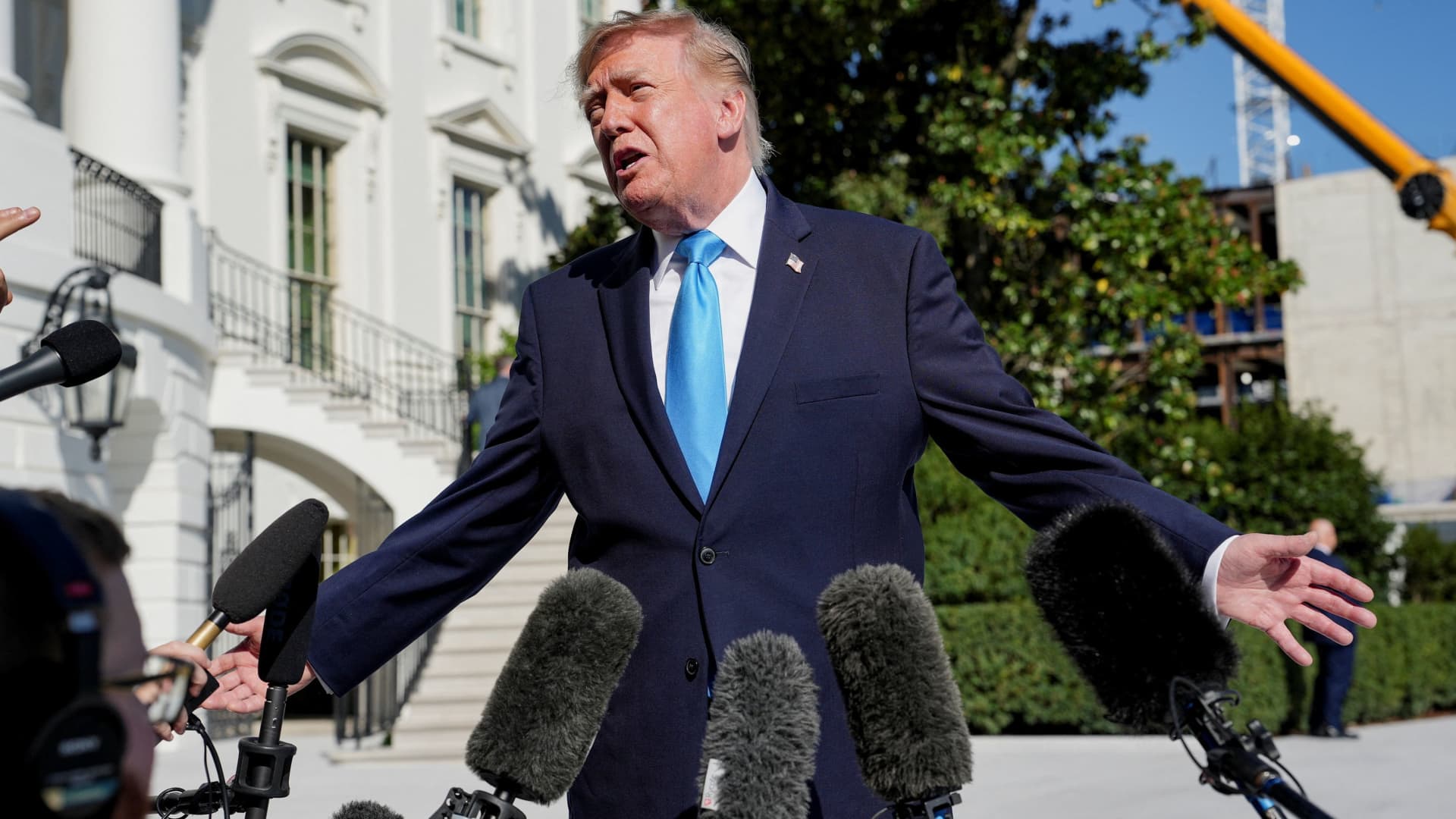
The posts from this campaign included AI-generated cartoons, one notably depicting former President Donald Trump in a compromising position while sawing a ladder he was standing on. Although this campaign coincided with Trump’s announcement of additional tariffs on Chinese goods in October 2025, OpenAI could not link this effort to a specific Chinese entity.
Conclusion
The revelations from OpenAI provide insight into the ongoing debates surrounding the construction of data centers in the United States, an infrastructure critical to maintaining the country's leadership in the global AI landscape. As public discussions evolve, the exposure of these foreign influence operations highlights the intricate dynamics at play, where external forces attempt to shape domestic narratives.
Popular news
New York has declared a disaster emergency over rising measles cases, especially among under-immunized populations, with 108 confirmed cases.

Subscribe to
our news
Get the most important updates and top stories in your inbox.