




 World13 Apr 2026
Orban's Resounding Defeat in Hungary: The End of an Era or a New Beginning?
Despite Viktor Orban's defeat in Hungary, his ideology lingers as his ally Peter Magyar assumes power, echoing key issues like immigration and Ukraine.
A Major Shift in Hungarian Politics
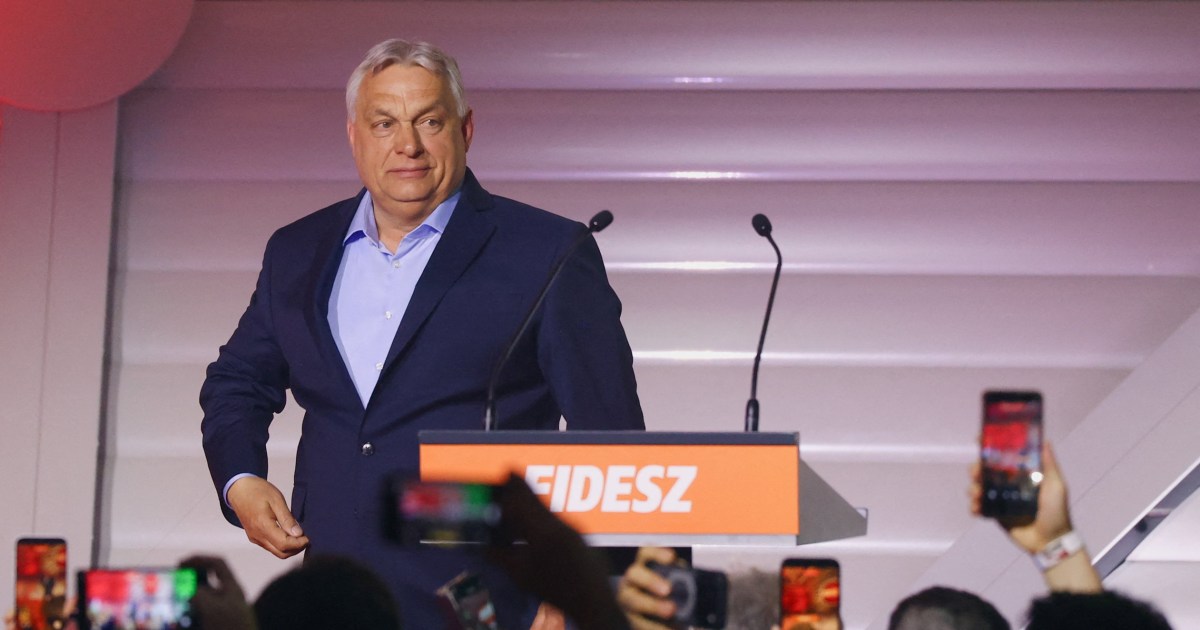
Hungarian Prime Minister Viktor Orban, after a prolonged 16-year reign marked by authoritarianism, faced a substantial defeat in the recent legislative elections. The results signal not only a change in leadership but also pose critical questions about the ideological legacy of Orbanism.
In a heartfelt concession speech, Orban acknowledged his loss, which many see as a beacon of hope amidst the turmoil dominating the European political landscape. Yet, while Orban's tenure might be drawing to a close, the political ethos he cultivated remains deeply embedded in Hungarian policies.
The Rise of Peter Magyar
A Continuation of Orban's Policies
Peter Magyar, the new leader of the Tisza party and a former ally of Orban, has emerged as the winner, aligning closely with Orban's stance on crucial issues such as immigration and foreign policy regarding Ukraine. Despite his party’s pro-European rhetoric, Magyar is emblematic of the continued presence of Orbanism within Hungary’s political framework.
Just like Orban, he expresses skepticism towards Ukraine, revealing a reluctance to provide financial or military aid to the embattled nation. In a pre-election interview, Magyar stated, "Nobody wants a pro-Ukrainian government in Hungary," signaling an enduring skepticism that resonates with many Hungarians.
Hungary's Role in European Politics
The European Union's Geopolitical Challenges
The European Union (EU) is currently grappling with severe geopolitical crises, primarily driven by conflict with Russia and internal political contradictions. Orban's leadership style, which often defied liberal democratic values, laid bare the challenges EU leaders now face.
The EU Commission, led by President Ursula von der Leyen, celebrated Magyar's victory, framing it as a shift back toward European values. However, critics argue that this interpretation fails to recognize Hungary's historical role in shaping European politics. The reality is more complex, as Hungary remains mired in challenges similar to those faced under Orban's administration.
Resurgence of Skeptical Voices in Eastern Europe
The Broader Context of Orbanism
Hungary's reluctance to support Ukraine financially amidst its conflict with Russia mirrors a broader trend in Eastern Europe. Other nations like Slovakia and Czechia are witnessing the rise of leaders who share similar skepticism towards Ukraine, creating a political bloc resistant to pro-Ukrainian policies.
Belgian Prime Minister Bart De Wever has also aligned himself as a Ukraine-skeptic, further complicating EU unity on the Ukrainian crisis. This collective hesitation among Eastern European leaders raises questions about the EU's cohesion and strategic direction in combating Russian aggression.
A New Era or A Pyrrhic Victory?
Future Prospects for Hungary and the EU
While the defeat of a major figure like Orban might seem like a victory for liberal democracy, it simultaneously exposes the fragile nature of these ideals within Europe. The persistence of Orbanism under Magyar’s leadership suggests that Hungary's political landscape will not change dramatically in the near term. As the EU stands at a critical crossroads, the dangers of increasingly militaristic and illiberal ideologies loom large, complicating efforts to uphold democratic values.
In conclusion, Hungary's political evolution may not signify the end of Orban's influence but rather the continuation of a narrative that has shaped Eastern European politics for years. Peter Magyar's leadership could very well keep the spirit of Orbanism alive as Hungary navigates complex relationships with both the EU and Russia.
Popular news
A small plane crash while touring the Nazca Lines in Peru has resulted in 13 fatalities, including tourists and crew.



Subscribe to
our news
Get the most important updates and top stories in your inbox.