




 World12 May 2026
Pakistan's Fuel Crisis Hits Households: Women Restructure Daily Routines Around Gas Availability
Women in Pakistan are reshaping their mornings around unreliable gas supply, highlighting the depth of the ongoing fuel crisis affecting daily life.
A Fuel Crisis Disrupting Daily Life
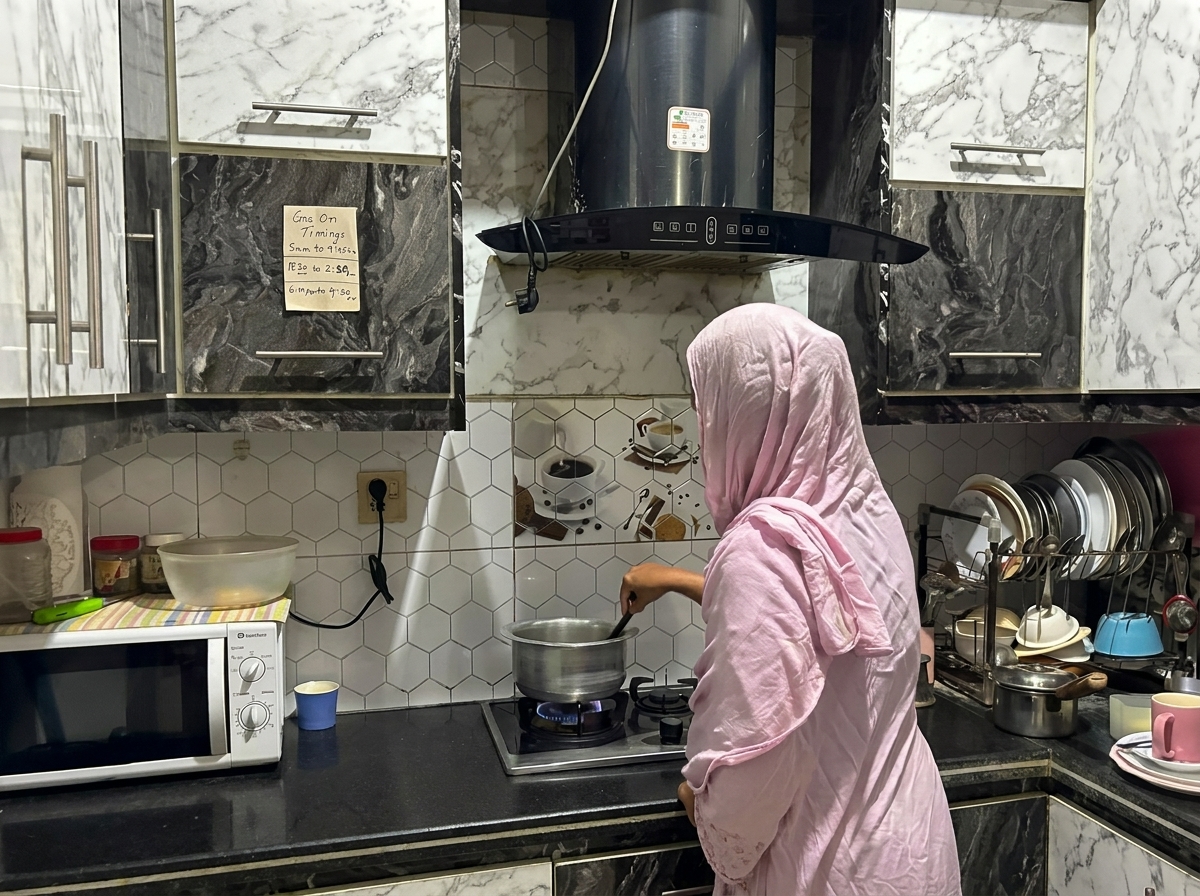
Pakistan is grappling with a severe fuel crisis that has significantly impacted households across the nation. Women, in particular, have been forced to adjust their daily routines to accommodate the unpredictable gas supply, which is crucial for cooking. Farhat Qureshi, a 60-year-old resident of Karachi, exemplifies this struggle. “My whole morning revolves around gas,” she stated, indicating how her daily life has become centered around the availability of cooking gas.
The Gas Supply: An Unpredictable Schedule
The erratic nature of gas supply compels residents like Qureshi to plan their cooking schedules intricately. Gas is available only for limited durations throughout the day; typically from 6 AM to 9:30 AM, around noon, and again from 6 PM until late evening. This schedule seems manageable but is plagued by inconsistency, with frequent low pressure and interruptions leading to extended cooking times.
The Impact on Women's Lives
As women often bear the brunt of household responsibilities, the fuel crisis has resulted in a profound shift in their roles. Many, like Laiba Zahid, a 24-year-old teacher, find their routines dictated by gas availability. Zahid shares,
"Our dinner time is set. We have to have early dinners because after 9 PM, the gas flow becomes really slow.”
They must be proactive; if gas runs out, it forces them to resort to reheating meals in a microwave, leading to compromises on food quality.
Economic Fallout: Home-Based Businesses Under Threat
The fuel crisis is also having a detrimental effect on home-based businesses. Fatima Hafeez, who operates a lunch service from her home, has faced cancellations due to cooking on expensive LPG gas cylinders during shortages. She explains her morning preparations,
"Sometimes I have to cancel an order because cooking on a cylinder turns out to be very expensive.”
The lack of reliable gas service not only disrupts household routines but also jeopardizes the livelihoods of many women who run small businesses from home.
Geopolitical Factors Worsening the Situation
The ongoing geopolitical tensions stemming from the US and Israel's recent actions against Iran have further aggravated Pakistan's energy crisis, transforming a once-stable LNG supply into a looming shortage. Data shows that LNG imports had already dropped significantly, from 8.2 million tonnes in 2021 to just 6.1 million tonnes by late 2025, with only sporadic shipments currently arriving in the country.
A Shifting Landscape for Energy Access
According to a recent energy survey by the World Bank, over half of Pakistani households still lack access to clean cooking fuel. As of 2024, only 44.3% had access to low-emission clean fuel stoves, emphasizing the ongoing struggles many face daily.
Conclusion: The Everyday Reality Amidst Crisis
Families like Qureshi's and Zahid's are adapting to this challenging reality, where the availability of cooking gas dictates their schedules and overall well-being. As Qureshi reflects, the reliability once taken for granted is now a luxury, reshaping the dynamics of daily life. “Our daily life is being affected. Our personal life is being affected, and obviously, the hard work has increased,” she remarked, encapsulating the burdens carried by many across the nation as they navigate this persistent fuel crisis.
Popular news
A small plane crash while touring the Nazca Lines in Peru has resulted in 13 fatalities, including tourists and crew.


Subscribe to
our news
Get the most important updates and top stories in your inbox.