




 World24 Apr 2026
Petro Becomes First President to Visit Venezuela After Maduro's Abduction
Colombian President Gustavo Petro visits Venezuela, the first leader since Maduro's abduction, focusing on border security and bilateral issues.
Historic Visit by Colombian President Gustavo Petro
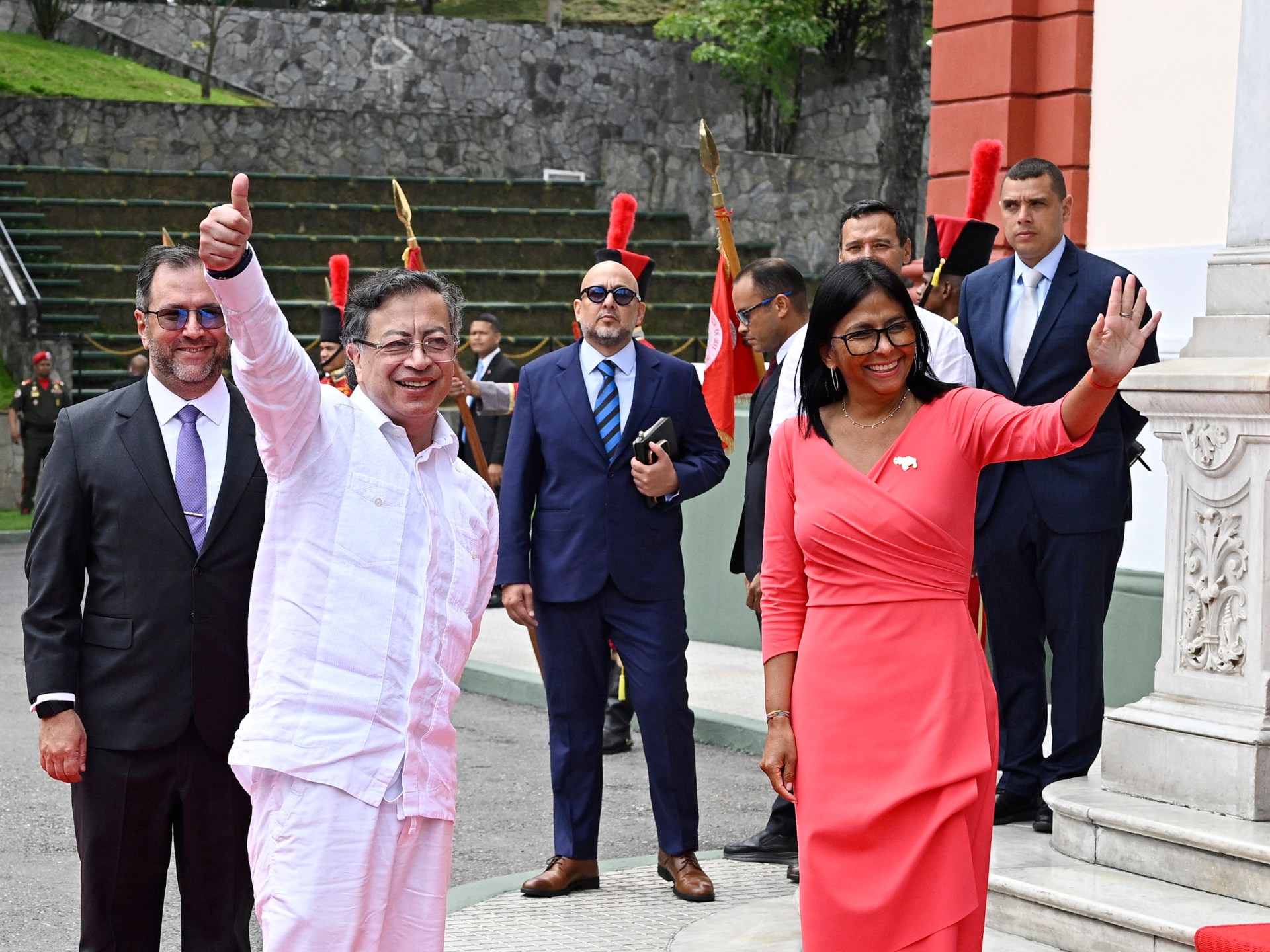
Colombian President Gustavo Petro has made headlines as the first foreign leader to visit Venezuela since the United States military operation that resulted in the abduction of Nicolas Maduro on January 3. Petro's visit, marked by a meeting with Venezuela's interim President Delcy Rodriguez, signals a thaw in relations between the two neighboring countries, once fraught with tensions.
Quito Meeting
On Friday, Petro was received warmly by Rodriguez at the Miraflores Presidential Palace in Caracas. This meeting was originally intended to take place in the Colombian city of Cúcuta but was canceled last month. The leaders shared a moment of camaraderie, embracing and waving to the crowd before discussing pressing issues dominating the agenda.
Focus on Border Security
Given the extensive 2,200-kilometer (1,367-mile) border the two nations share, security looms large over Petro and Rodriguez's discussions. The border region, while crucial for trade, is notorious for migrant influx, criminal activity, and drug smuggling orchestrated by paramilitary groups. Previous Colombian administrations accused Maduro of colluding with these groups, which underpinned U.S. criminal charges against him.
Petro, Colombia’s first left-leaning president, assumed office in 2022 and has shifted the country’s position toward Venezuela, seeking greater military collaboration along the border to combat crime.
Criticism of U.S. Actions
Petro has been vocal in condemning the U.S. military operation that led to Maduro's capture, labeling it an “assault on sovereignty” in Latin America. Legal experts have similarly criticized the abduction as a breach of international law. The U.S. justified its actions as part of a law enforcement strategy, insisting that it does not recognize Maduro's legitimacy after a series of disputed elections.
Further complicating relations, Petro has voiced opposition to U.S. strikes on alleged drug-smuggling vessels in Latin American waters, which have reportedly resulted in Colombian civilian casualties. These tensions culminated in threats from former U.S. President Donald Trump, who disparaged Petro and hinted at potential strikes on Colombian territory.
Easing of Tensions
However, tensions eased following a White House meeting earlier this year between Trump and Petro, paving the way for improved diplomatic engagement. Rodriguez, who has previously served as Maduro's vice president, has also deftly navigated her relationships with U.S. officials, cooperating with demands such as curbing oil exports to Cuba and releasing political prisoners while striving to maintain support from Maduro’s base.
Rodriguez has emphasized attracting foreign investments to revive Venezuela's struggling economy, hindered by rampant inflation and severe sanctions imposed by the U.S. She has also made attempts to engage in dialogue with Trump, although no meeting date has been finalized.
In a sign of escalating diplomatic efforts, a new U.S. envoy, John Barrett, recently arrived in Caracas to oversee a broader U.S. initiative aimed at facilitating democratic elections in Venezuela.
Conclusion
As Colombia and Venezuela navigate this complex landscape, Petro's visit signals a significant step in addressing mutual concerns over security and economic stability, while also highlighting the intricate web of international relations reshaping the region.
Popular news
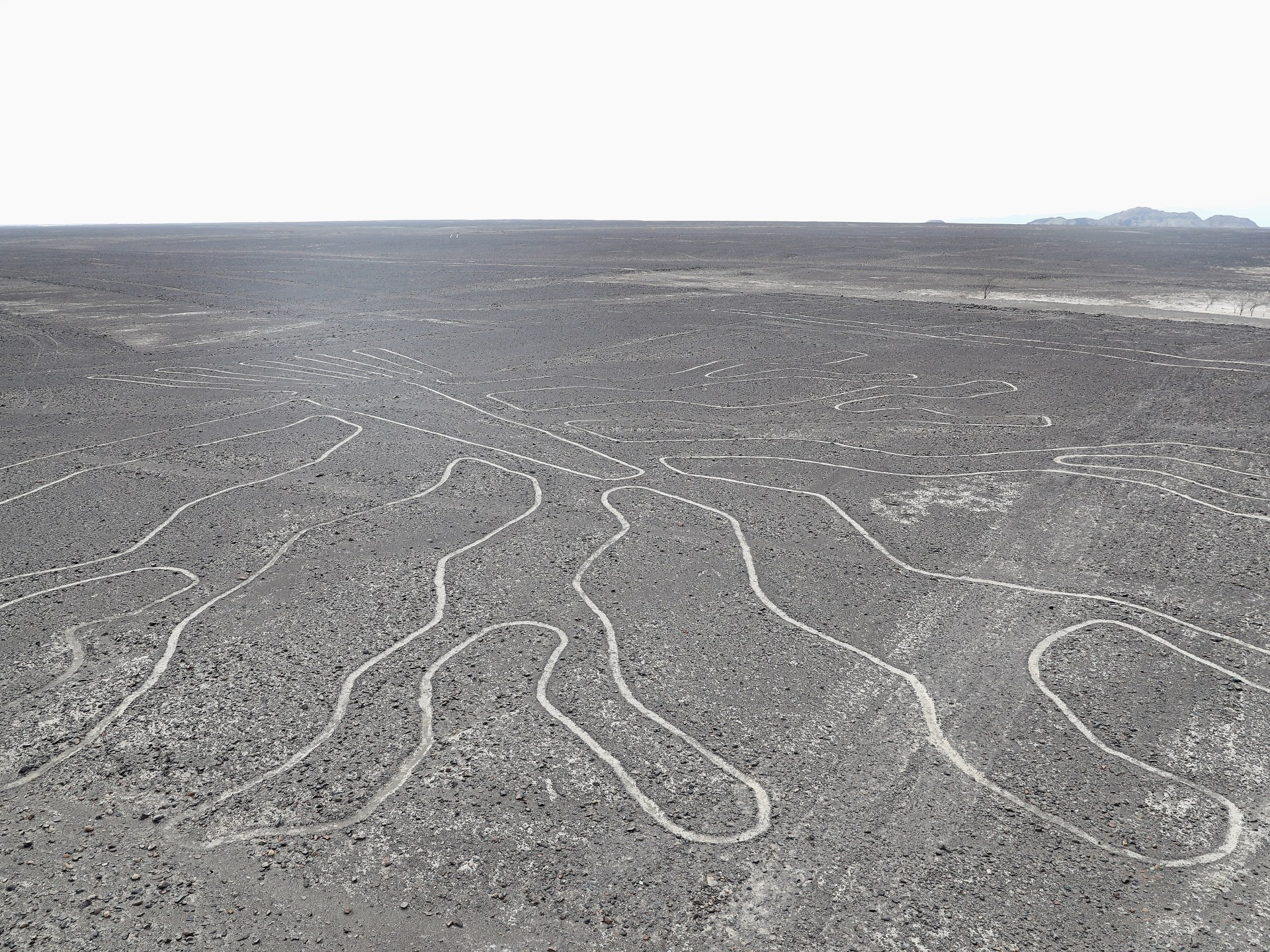
A small plane crash while touring the Nazca Lines in Peru has resulted in 13 fatalities, including tourists and crew.

Subscribe to
our news
Get the most important updates and top stories in your inbox.