




 Sport18 Jun 2026
Protect College Sports Act Advances in Senate Amid Discontent from Big Ten and SEC
The Senate Commerce Committee has approved the Protect College Sports Act, facing opposition from the Big Ten and SEC over key provisions.
Protect College Sports Act Moves Forward
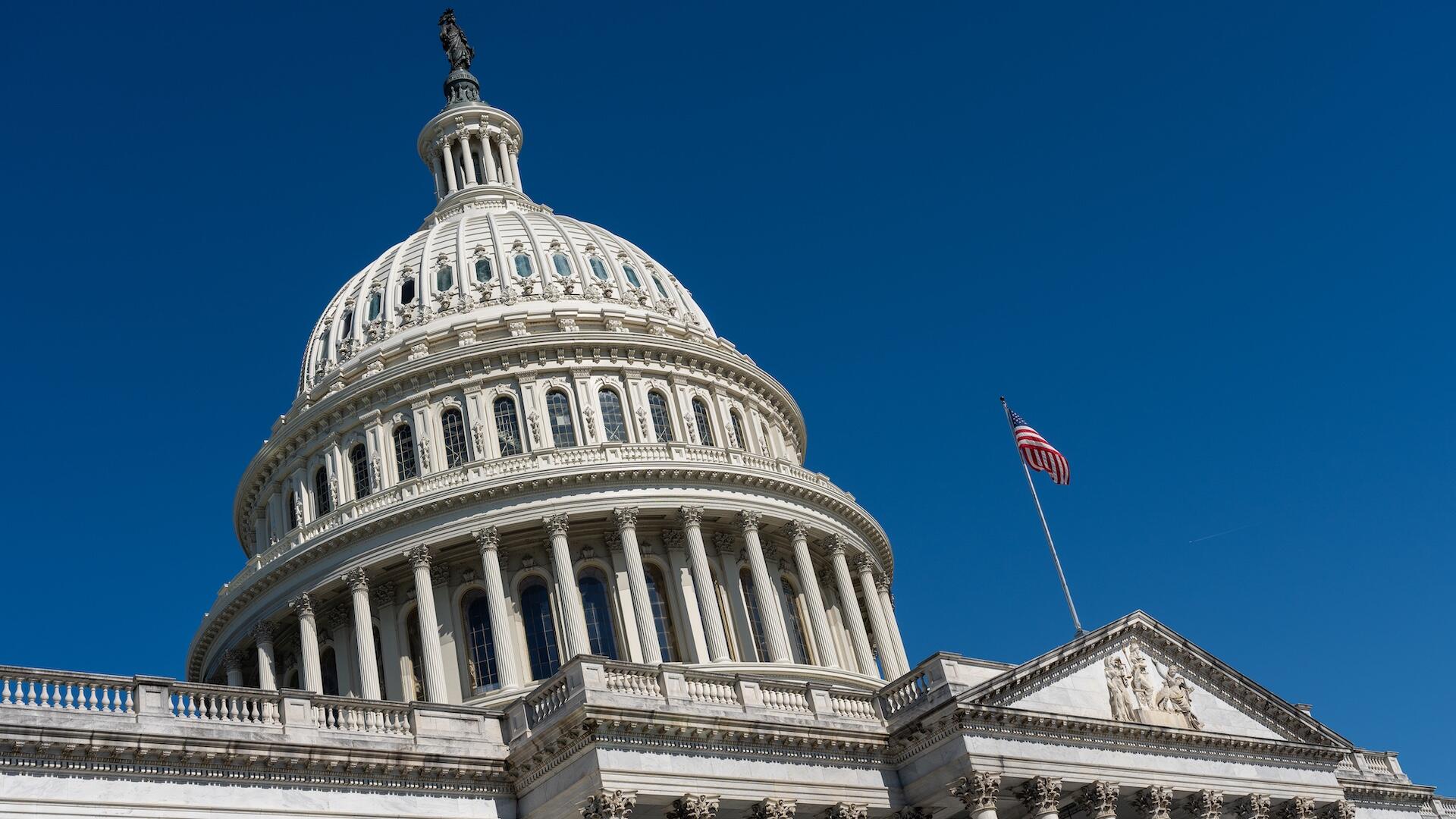
The Protect College Sports Act, a bipartisan effort to reform college athletics, successfully passed the Senate Commerce Committee with a vote tally of 19-9 on Thursday. This significant advancement may lead to a Senate floor vote before the impending August recess, as proponents and lawmakers rally to establish a cohesive federal framework for college sports that addresses crucial aspects such as name, image, and likeness (NIL) rights.
Legislative Objectives and Implications
Crafted by Senators Ted Cruz (R-Texas), Maria Cantwell (D-Wash.), Eric Schmitt (R-Mo.), and Chris Coons (D-Del.), the bill aims to unify the current fragmented state laws governing college athletics into a single national standard. Among its key objectives, the legislation seeks to:
- Establish NIL rights as a codified law, thereby eliminating the inconsistent regulations currently enforced on a state-by-state basis.
- Guarantee students a one-time transfer without losing any eligibility.
- Mandate restrictions on agent fees capped at 5%.
- Provide student-athletes with a private right of action to sue colleges regarding NIL rights and certain health and safety standards.
Major Revenue Mechanism
One of the most notable components of the Protect College Sports Act is an amendment to the Sports Broadcasting Act of 1961, which would allow schools to jointly negotiate their media rights—akin to the model used by the NFL. This could potentially escalate revenue generation from college sports by an estimated $4 to $8 billion, with aspirations for this windfall to support women's and Olympic sports. Additionally, the legislation prohibits the formation of any super conference, effectively thwarting potential breakaway leagues involving the SEC and Big Ten.
Mixed Reactions from Key Conferences
Despite the bill's support from over 20 collegiate athletic conferences, including the Atlantic Coast Conference (ACC) and the Big 12, the Big Ten and SEC expressed their staunch disapproval in a joint statement. They articulated their concerns regarding certain provisions, such as the media pooling aspects, which they argue could potentially lead to liabilities and jeopardize their positions in the College Football Playoff.
The two conferences indicated they remain committed to working on revisions that would better facilitate support for student-athletes and stabilize the college sports atmosphere, insisting that further adjustments are required for their endorsement of the package.
Senator Tommy Tuberville (R-Ala.), expressing his reservations on the Senate floor, cautioned that while he respects the intentions behind the bill, he believes it may overreach by intruding too deeply into the operations of universities and athletics departments without adequately providing the stability that student-athletes require.
Amendment Highlights and Future Steps
In an effort to enhance support for lower-profile sports, the amended version of the bill necessitates that any Division I institution with annual athletic revenues surpassing $80 million must uphold existing scholarship levels for women's and Olympic sports. This requirement will now extend beyond schools that participate in media rights pooling.
With a Senate vote momentarily on the horizon, garnering bipartisan support will be vital, considering the Senate holds 53 Republican members and a threshold of 60 votes is necessary for passage.
Popular news
A small plane crash while touring the Nazca Lines in Peru has resulted in 13 fatalities, including tourists and crew.




Subscribe to
our news
Get the most important updates and top stories in your inbox.