




 Business18 Apr 2026
Record Drought Pummels Southeastern and Western United States
A historic drought grips the U.S., with severe implications for agriculture and wildfire risks, affecting over 61% of the Lower 48 states.
Unprecedented Drought Conditions Across the U.S.
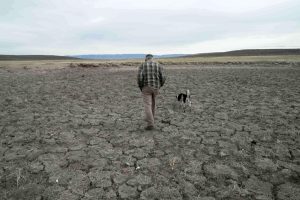
The United States is confronting a catastrophic drought that has significantly intensified, impacting more than 61% of the Lower 48 states. Alarmingly, 97% of the Southeast and two-thirds of the Western region are currently suffering from moderate to exceptional drought conditions, as reported by the U.S. Drought Monitor. This situation poses grave threats to agriculture, food prices, and overall water supply in an already stressed ecosystem.
Statistical Insights into the Drought
March 2026 marks a troubling record as it registers the driest conditions in the U.S. since the establishment of the drought monitor in 2000. The National Oceanic and Atmospheric Administration (NOAA) states that the Palmer Drought Severity Index reached its highest level since records began in 1895. Furthermore, March was the third driest month in U.S. history, only surpassed by the disastrous Dust Bowl period in July and August of 1934.
Regional Impacts of Drought
Experts note that the drought's impact manifests differently across the regions. The West has experienced record heat leading to severely low snow levels during winter months, significantly affecting the natural water storage normally relied upon during the summer. Meanwhile, a separate yet simultaneous drought gripping the South—from Texas to the East Coast—has arisen in response to jet stream patterns that have diverted critical storms, according to climatologist Brian Fuchs.
It is estimated that eastern Texas would require an extraordinary 19 inches of rain in a single month to overcome the drought, while the Southeast needs over a foot of rain to resolve its significant water deficit.
Fire Danger and Agricultural Woes
Concerns are mounting as this year's drought appears particularly severe, with meteorologists worried that drought typically peaks during summer. "Fire tends to respond to heat and drought in an exponential manner," cautions UCLA hydroclimatologist Park Williams. The implications for wildfires, especially in California and neighboring states, are dire; the frequency and intensity of fires may increase as hotter conditions prevail.
Agriculturally, the specter of drought raises fears not only for local farming communities but potentially for global food supplies. Jeff Masters, a meteorologist with Yale Climate Connections, stresses that decreased crop yields caused by drought could result in significant price increases for food.
Climate Change: A Contributing Factor
The ongoing drought underscores the critical intersection of natural weather patterns and human-induced climate change. Experts agree that climate change exacerbates seasonal extremes and contributes to sustained periods of drought. Arizona's Kathy Jacobs notes, "All weather is now affected by climate change. There is no such thing as weather that's divorced from climate trends." The compounding effects of these factors lead to an alarming increase in the frequency of extreme weather events like this current drought.
Popular news
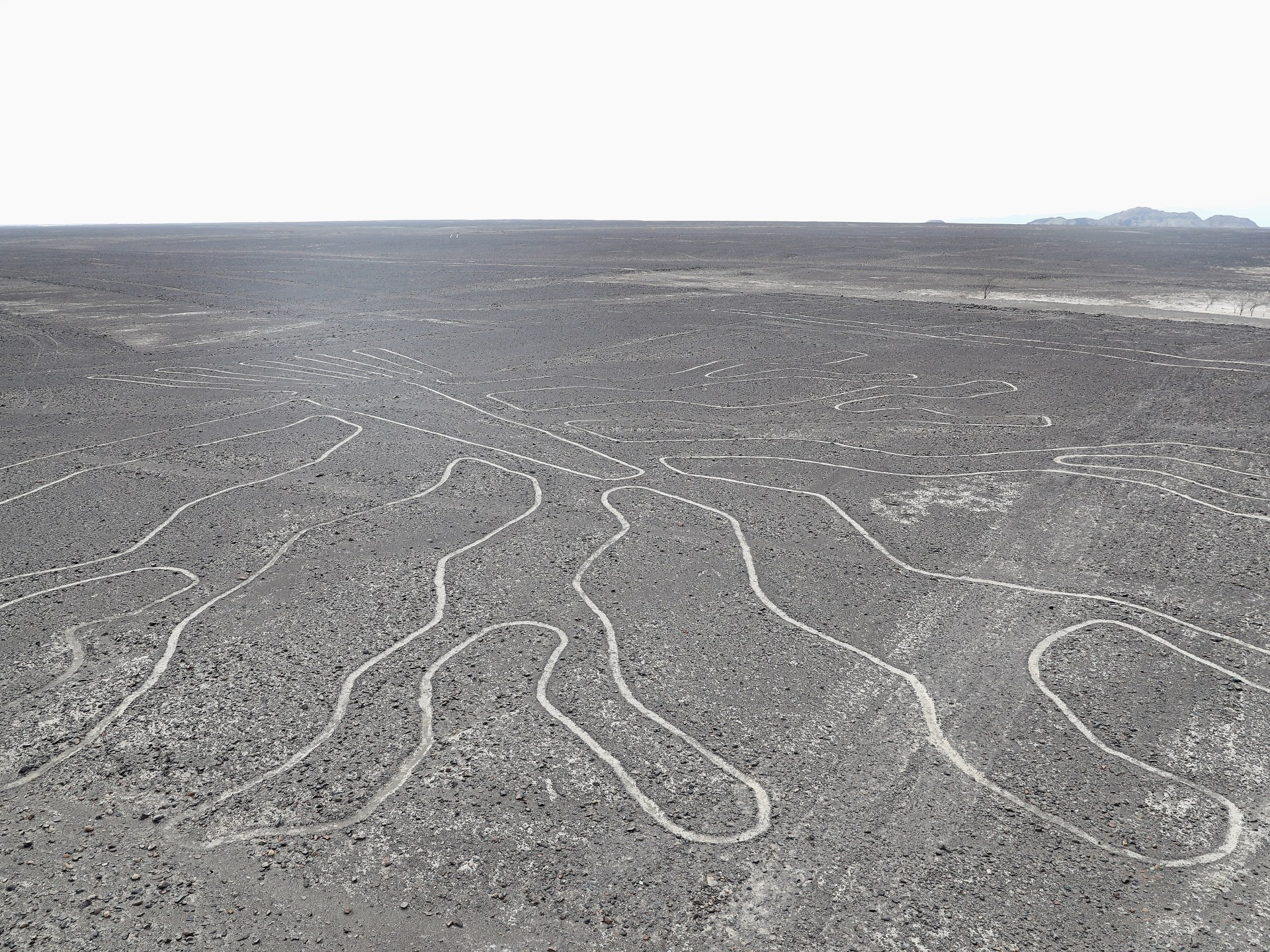
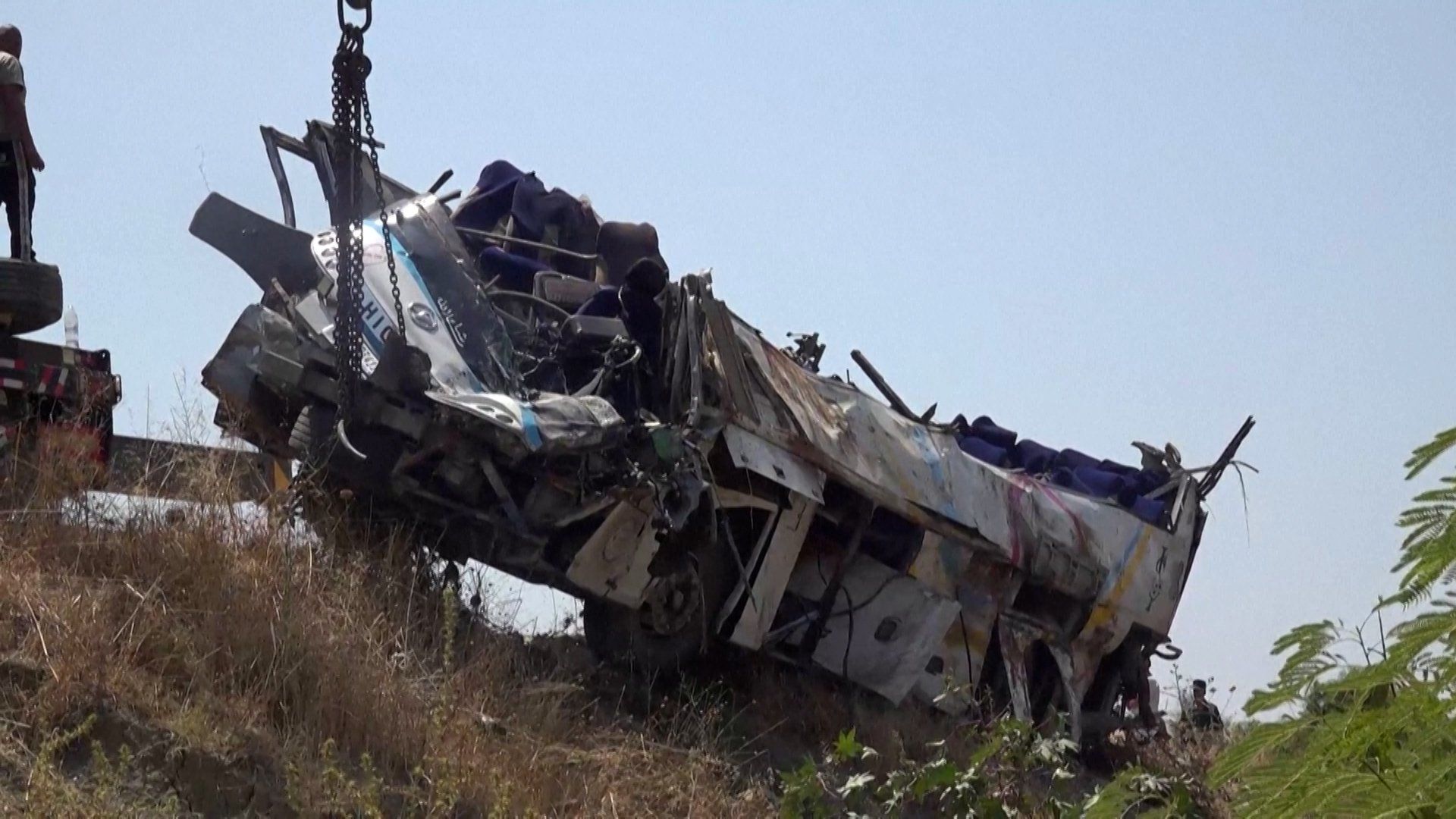
A small plane crash while touring the Nazca Lines in Peru has resulted in 13 fatalities, including tourists and crew.



Subscribe to
our news
Get the most important updates and top stories in your inbox.