




 World04 May 2026
Resurgence of Piracy in the Gulf of Aden Linked to Iranian Coordination
Piracy in the Gulf of Aden is accelerating, with ties to Iranian forces, raising alarms over maritime security and international shipping routes.
A Renewed Threat on the High Seas
Piracy has made a significant comeback in the Gulf of Aden, driven by apparent coordination between Iran's military Unit 400, Yemeni Houthis, and Somali militants. Recent hijackings, including the oil tanker MT Eureka, underscore the urgency of this issue, marking the fourth piracy incident in just two weeks.
The Current Situation
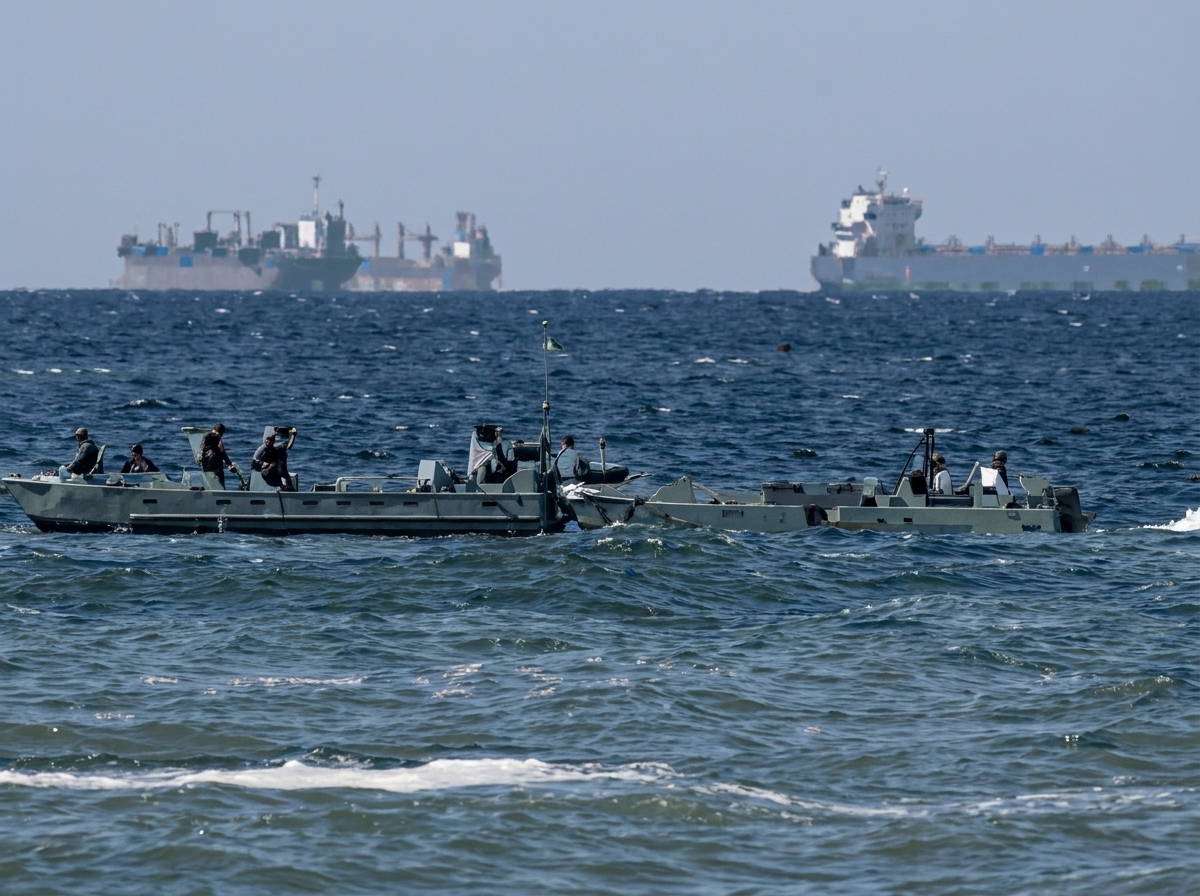
On Sunday, the Yemeni Coast Guard announced challenges in rescuing the MT Eureka, which had been seized by armed militants off the coast of Shabwa. Despite immediate dispatch of rescue vessels, they faced limitations due to the boats' inadequate capabilities for high-seas operations.
The tanker, carrying 2,800 tons of diesel and 12 crew members of Egyptian and Indian nationality, was redirected towards Somali shores under the control of nine armed Somali pirates.
Analysts' Perspectives
Experts suggest that this resurgence in piracy is not incidental; it appears to be a strategic maneuver designed to exert pressure on the United States amidst ongoing sanctions against Iran. The operational synergy between the Al-Shabaab group in Somalia and the Houthis highlights an alarming trend that threatens international maritime traffic and regional stability.
- Increased Activity: The spate of recent hijackings has drawn parallels to earlier piracy waves, which peaked in the late 2000s. Commentators have pointed to the re-emergence of this problem as being influenced by geopolitical factors surrounding the Iran conflict.
- Technological Advancements: The pirates are reportedly benefiting from advanced technology acquired from the Houthis, including satellite tracking tools that enhance their operational efficacy and the ability to launch attacks further from the coast. Furthermore, military training provided by Houthis may have increased the capabilities of these pirate groups.
International Implications
The return of piracy not only raises serious concerns for shipping companies but also indicates a shift in regional power dynamics. Some analysts warn that without a concerted international response, this piracy could expand, extending Iranian influence deeper into the Indian Ocean and Bab el Mandeb, which are critical shipping routes.
The Role of Unit 400
Iran's Unit 400, a part of the Quds Force, is believed to be directly involved in supporting these piracy activities as a means of both gaining leverage in negotiations and circumventing sanctions. As expressed by Iranian-British political analyst Babak Emamian, this unit is actively coordinating with militant groups in the Horn of Africa to extend its reach and influence.
Conclusion
As piracy once again threatens the waters of the Gulf of Aden, the implications extend beyond regional conflicts. Analysts are closely monitoring the situation, warning that the joint efforts of the Houthis and Somali militants could lead to broader instability not only in Africa but also for international shipping routes. Only through international cooperation can this persistent threat to maritime security be mitigated.
Popular news
A small plane crash while touring the Nazca Lines in Peru has resulted in 13 fatalities, including tourists and crew.





Subscribe to
our news
Get the most important updates and top stories in your inbox.