




 Business18 Jun 2026
Revamping Investment Strategies: Apollo's New 60/40 Portfolio in the AI Era
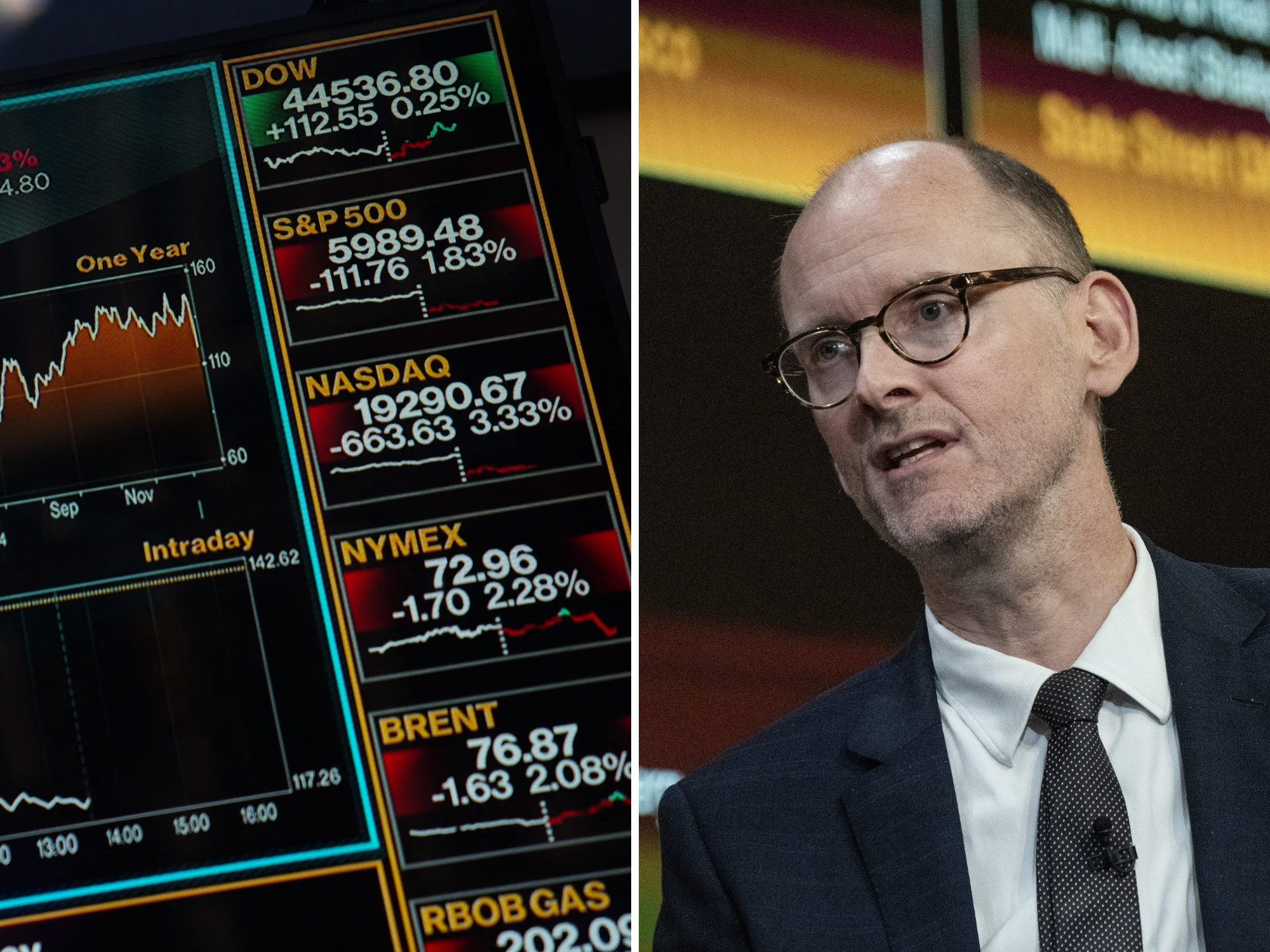
Apollo's Torsten Sløk suggests a new 60/40 portfolio: 60% in AI and 40% in other investments, adapting to the AI-driven market landscape.
Rethinking Investment Strategies in the AI Age
In a recent analysis, Torsten Sløk, the Chief Economist at Apollo Global Management, called for a significant reevaluation of the traditional investment portfolio. Recognizing the profound impact artificial intelligence (AI) has already made across financial markets, Sløk argues that the classic 60/40 strategy — allocating 60% to stocks and 40% to bonds — is no longer robust enough in the current financial climate.
"AI is everywhere in my equity portfolio and now it's actually also everywhere in my bond portfolio," Sløk stated, stressing the integration of AI across various asset classes.
The Shift from Traditional Strategies
For decades, the 60/40 portfolio has been a staple for conservative investors seeking balance between equity growth and stable income from bonds. However, Sløk highlights that an excessive focus on this allocation could lead to overlooking crucial factors driving today's market dynamics. He notes that the AI trade has significantly influenced the recent bull market, which has been spurred by top technology companies leveraging AI technologies.
"The S&P 500 is no longer a diverse set of stocks; it really is a very big bet on AI," Sløk explained, referring to the momentous shifts in market indices influenced by technological advancements.
The New 60/40 Portfolio Framework
To adapt to these changes, Sløk suggests a revised framework for investment allocations — a new 60/40 model. His proposal calls for a shift to 60% in AI-related investments and 40% in non-AI assets. This adjustment accounts for the overwhelming pervasiveness of AI in both equity and fixed income portfolios.
Implications for Fixed Income Investments
Notably, the influence of AI extends beyond the stock market. On the fixed income side, AI-related projects are dominating issuance, primarily as leading tech companies finance rapid expansion of their data centers through corporate debt. In 2026, nearly half of the investment-grade credit issuance has been attributable to AI ventures.
Furthermore, venture capital funding reflects this trend, with 87% now channeled into AI initiatives, a stark departure from previous focal points like pharmaceuticals and biotech. This signals a transformative shift in how investors perceive different sectors, leading to a concentrated focus that may dictate future growth.
Future Considerations
Sløk emphasizes the need for investors to consider both the potential successes and possible pitfalls that may arise in an increasingly AI-driven economy. He states, "It becomes very critical to think about this in terms of what happens if AI is more successful and, in the worst case, what happens if AI is less successful?"
This fundamental reevaluation is not merely a suggestion but a necessary adaptation to navigate the complexities of an evolving economic landscape shaped by technology. As investors grapple with these changes, the recommended new allocations promise to align portfolios more closely with the realities of a world increasingly defined by AI.
The foresight von noted economists like Sløk could well steer many investors toward a more holistic understanding of risk and opportunity in the financial markets, making a case for proactive adjustments in investment strategies.
Popular news
A small plane crash while touring the Nazca Lines in Peru has resulted in 13 fatalities, including tourists and crew.





Subscribe to
our news
Get the most important updates and top stories in your inbox.