




 Technology24 May 2026
Revolutionary Study Challenges Centuries-Old Aeronautical Principle
Tohoku University has uncovered a groundbreaking method to drastically reduce aerodynamic drag, reshaping aeronautical engineering principles.
A Game-Changing Discovery in Aeronautical Engineering
A recent study from Tohoku University has overturned a foundational principle of aeronautical engineering that has been held for over 80 years. The research demonstrates that applying distributed micro-roughness (DMR) to surfaces can lead to an impressive reduction in aerodynamic drag, specifically by delaying the transition from laminar to turbulent flow. This discovery paves the way for increased fuel efficiency and a reduction in carbon emissions for high-speed vehicles.
Understanding Aerodynamic Drag
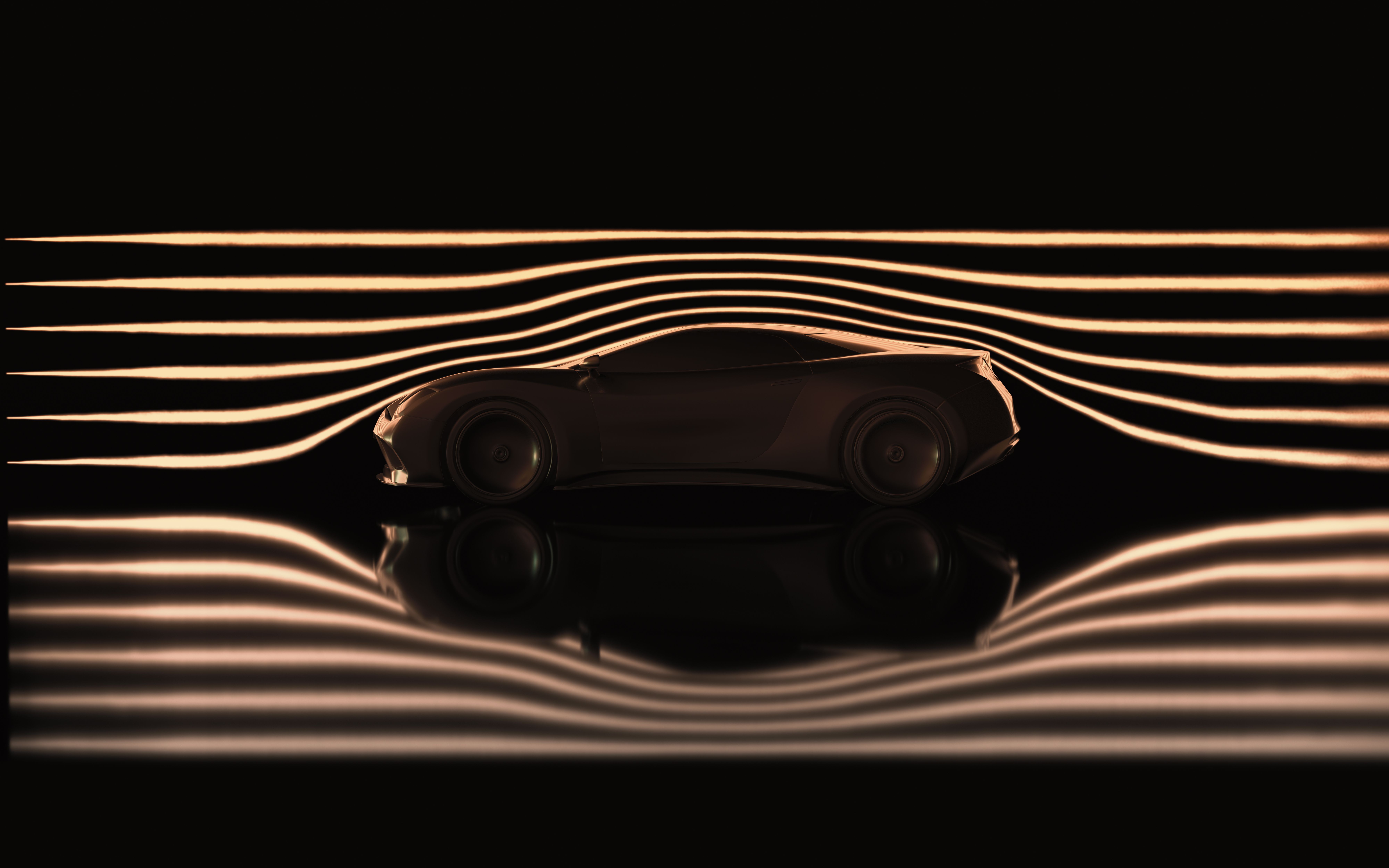
Aerodynamic drag poses a significant obstacle for high-speed vehicles such as airplanes, cars, and bullet trains. By minimizing drag, these vehicles can travel faster while using less energy. The dynamics of drag are influenced largely by the state of the boundary layer—a thin layer of air that adheres to the surface of the vehicle. This layer can be either in a laminar state, where airflow is smooth and orderly, or in a turbulent state, characterized by chaotic patterns.
The Impact of Surface Smoothness
Historically, the principle has been clear: smoother surfaces equate to lower drag. Ichiro Tani's pivotal 1940 study established a direct correlation between surface roughness and turbulent transition. Tani concluded that unavoidable roughness from manufacturing processes hindered the ability to maintain laminar flow, leading to increased drag.
However, as the years progressed, Tani revised his stance in 1989, suggesting that roughness might not always lead to turbulent flow. Building on this idea, Yasuaki Kohama's research group from Tohoku University explored how fibrous rough surfaces could delay turbulence under specific conditions.
Breakthrough with Distributed Micro-Roughness
The recent work led by Aiko Yakino, an associate professor at Tohoku University’s Institute of Fluid Science, is a significant advancement in this ongoing investigation. The team successfully demonstrated that DMR, a surface treatment with microscopic irregularities invisible to the naked eye, could lower aerodynamic drag by up to 43.6% under certain speeds.
Wind Tunnel Innovations
A crucial factor in this breakthrough was the implementation of an advanced wind tunnel testing method. Traditional methods using support rods compromised airflow, but Tohoku University’s magnetic support balance system allows for the levitation of models, thus preserving the integrity of the airflow and enabling precise measurements of drag reduction.
Results of the Study
In experiments utilizing various DMR patterns, including glass beads and sandblasted surfaces, the team observed that the critical Reynolds number for turbulent transition increased, resulting in a substantial decrease in drag. Specifically, the DMR-treated surfaces maintained a lower drag coefficient than smooth surfaces, confirming the effectiveness of this novel application.
Examining the Mechanisms Behind Drag Reduction
Researchers categorized air resistance into two types—pressure resistance caused by separated airflow and frictional resistance due to air viscosity. By employing advanced computational simulations alongside physical testing, they confirmed that the primary reason for drag reduction with DMR stems from reduced frictional drag rather than simple suppression of turbulent transition.
Advantages Over Traditional Methods
DMR technology presents distinct advantages over existing methods like the rivulet process, often inspired by shark skin. While the latter relies on specific grooves aligned with airflow, DMR employs a random pattern that efficiently reduces drag across various flow directions. This versatility, combined with low implementation costs and no need for electrical components, positions DMR as a revolutionary technology in aerodynamics.
Future Applications and Considerations
As Tohoku University continues to refine the characteristics of DMR, including its shape and density for wider applications, the potential benefits for aircraft and possibly other vehicles seem promising. Enhanced fuel efficiency and reduced carbon emissions could transform operational costs in the aerospace sector, significantly impacting environmental sustainability in transportation.
The findings of this study indicate a decisive shift in aeronautical engineering, challenging long-held beliefs while opening new avenues for efficient vehicle design.
Popular news
Nuveen acquires Schroders, creating a $2.6 trillion asset management powerhouse.





Subscribe to
our news
Get the most important updates and top stories in your inbox.