




 Technology11 May 2026
Revolutionizing Strength Training: The Joy of Plyometrics for Runners
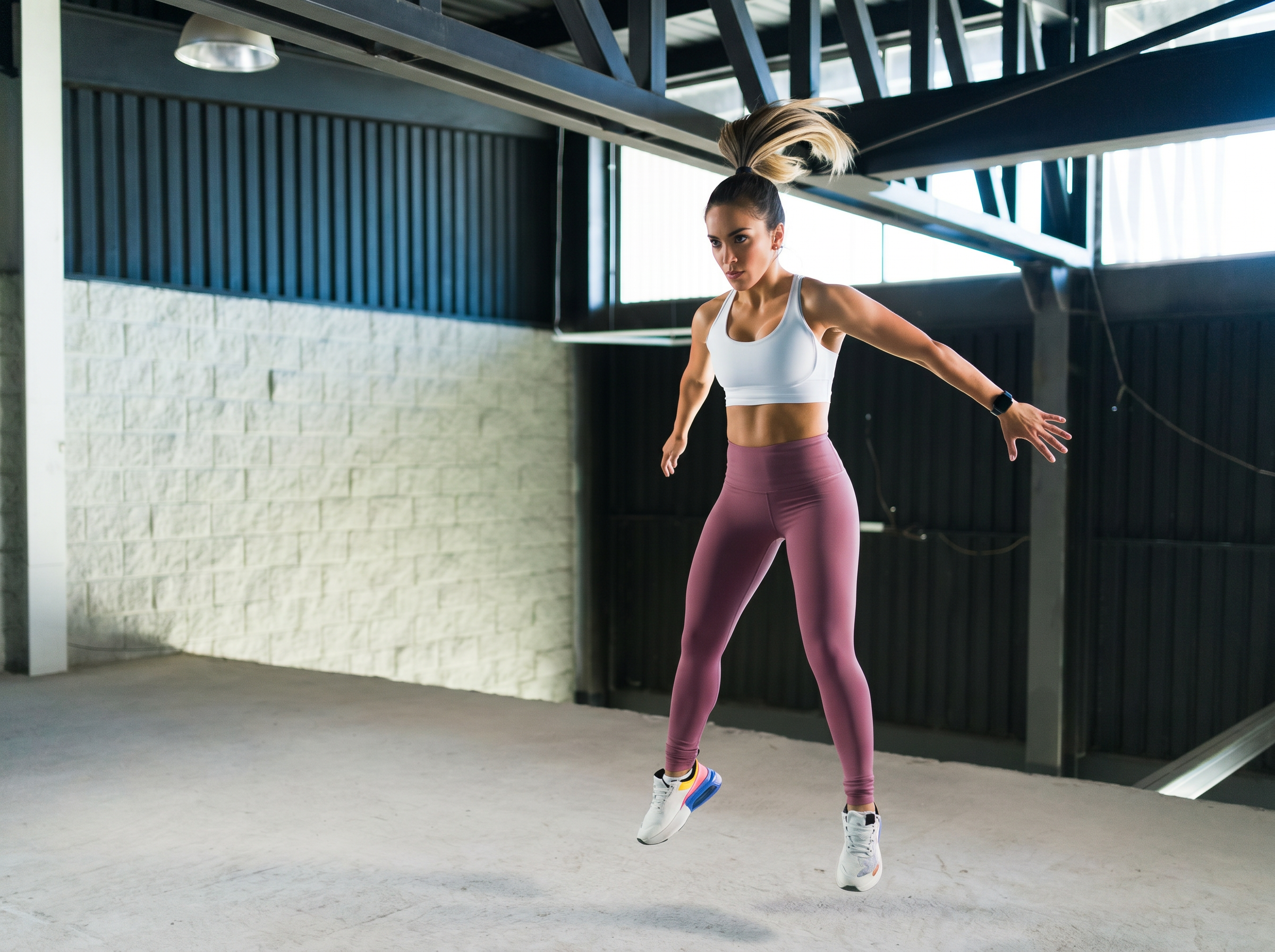
Plyometrics workouts offer runners a fun, high-impact way to boost strength and cardiovascular health in just ten minutes.
Exploring Plyometrics: A Fun Approach to Strength Training for Runners
As a dedicated marathoner, improving my running performance and preventing injuries is always a priority. Recently, I embarked on a journey to integrate plyometrics, or jump training, into my fitness routine, discovering a refreshing alternative to traditional strength workouts. This article delves into my experience and key takeaways from a quick ten-minute plyometric session designed specifically for runners.
What Are Plyometrics?
Plyometrics involve explosive movements that enhance strength, power, and efficiency, which are crucial for runners looking to increase speed and endurance. The beauty of plyometric training lies in its minimal equipment requirement. I conducted my beginner-friendly session in my backyard, well-warmed post an indoor cycling ride.
Though box jumps are a common plyometric exercise, I opted for familiar movements that are beneficial for runners, such as pogo jumps, squat jumps, and broad jumps, all executed in circuits to maximize impact.
Key Takeaways from My Plyometrics Workout
1. The Thrill of Jumping
Plyometrics reignited my appreciation for exercise with its invigorating nature—a stark contrast to monotonous weightlifting. The sheer joy of jumping reminded me of childhood play, creating a positive association with workouts and encouraging consistent practice.
2. Ideal Conditions for Training
Performing the workout outdoors was beneficial, allowing me to utilize softer surfaces like grass that help cushion impact. This is essential for mitigating injury risks while performing high-intensity jumps. Alternatively, using a yoga mat indoors provides a suitable solution when outdoor conditions aren’t feasible.
3. Shoe Choice Matters
Selecting the right footwear is crucial for an effective plyometrics session. I opted for shoes with a lower stack height to ensure stability during jump landings. Good grip is also necessary when training on softer surfaces to prevent slipping.
4. Focus on Quality Over Quantity
During my sets of 10-20 jumps, I realized the importance of fully committing to each jump. Engaging my lower body muscles maximized the benefits of the exercises, turning what could have been a rushed and lackluster session into an effective, focused workout.
5. Increased Heart Rate and Cardio Benefits
Plyometrics also provided a surprising cardiovascular boost, with my heart rate reaching 144 beats per minute during the workout, significantly higher than my average during cycling. This intensity highlights not only the strength benefits but also the potential cardiovascular fitness improvements from regular plyometric training.
6. Safe Landing Techniques
Given the high-impact nature of plyometrics, practicing safe landing techniques became a crucial part of the workout. I ensured to land softly using bent knees to absorb impact, a strategy vital for runners already accustomed to high-impact activities.
Conclusion: The Joy of Incorporating Plyometrics
Plyometrics has proven to be a delightful and effective method to enhance my strength training as a runner. The balance of fun, efficiency, and health benefits makes it an attractive alternative for anyone looking to improve their fitness routine. As I continue to explore this training method, I’m excited about the potential improvements in my running performance alongside the joy of jumping back into fitness play.
Incorporating plyometrics is not just a workout; it’s a lively experience that enriches both physical health and mental well-being.
Popular news
A small plane crash while touring the Nazca Lines in Peru has resulted in 13 fatalities, including tourists and crew.





Subscribe to
our news
Get the most important updates and top stories in your inbox.