 Health29 May 2026
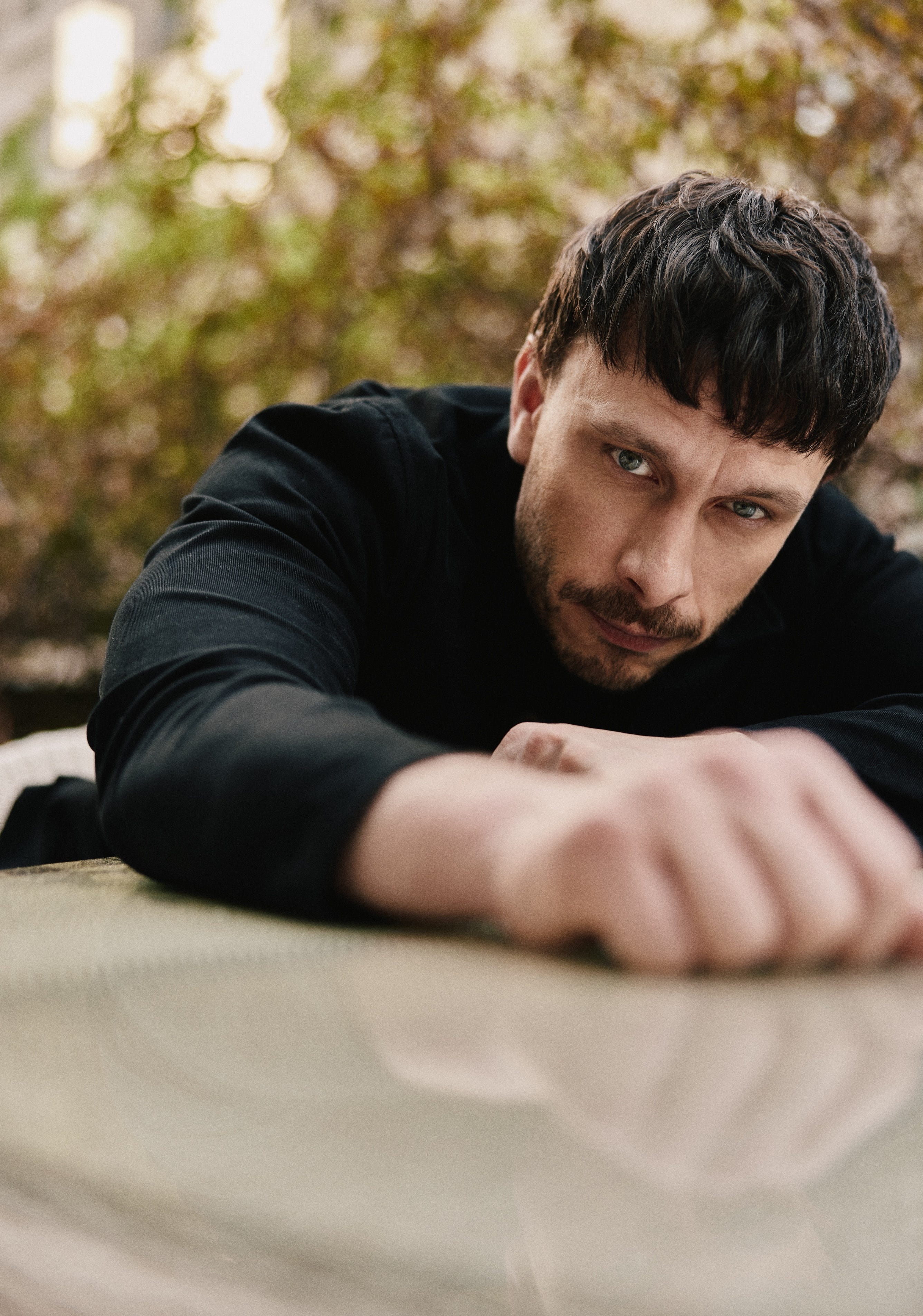
Richard Gadd Reflects on the Conclusion of 'Half Man' and the Complexity of Masculinity
In 'Half Man,' Richard Gadd dives deep into masculinity and brotherhood, exposing vulnerabilities through Niall and Ruben's explosive relationship.
Exploring Masculinity Through 'Half Man'
Richard Gadd’s latest series, Half Man, showcases the complex, often tumultuous relationship between two brothers, Niall and Ruben. Set against the backdrop of evolving societal norms, the show delves into the intricacies of masculinity and the pressures that confront men in today’s world. Recently, Gadd sat down to reflect on the show’s finale, which captures the brutal reality of male relationships and the struggles with identity.
Origins of 'Half Man'
The concept for Half Man has been brewing in Gadd’s mind since 2019, predating the adaptation of his acclaimed stage show Baby Reindeer into a Netflix series. While working on Baby Reindeer, Gadd was inspired by ongoing conversations about male behavior and societal expectations, prompting him to explore how two seemingly ordinary men navigate their lives shaped by childhood experiences and ingrained prejudices.
“I started thinking about these two broken men and how their past shaped who they are,” Gadd explained. By delving into their childhoods, Gadd hoped to illustrate the repression and violence that men often face, ultimately leading to their current struggles.
A Brutal Conclusion
The finale of Half Man, which aired recently, presents an unflinching ending to Niall and Ruben’s story. Their relationship escalates to a violent confrontation, symbolizing a deeper exploration of masculinity's darker sides.
“I think they couldn’t live together. They had to die, in a way, together,” Gadd remarked, emphasizing the intense bond paradoxically intertwined with conflict. This stark ending resonates, leaving audiences pondering the complexities of love, vulnerability, and masculinity.
Gadd's Personal Journey
Gadd, who gained nearly 90 pounds to authentically portray Ruben, reflects on how embodying this character taught him much about his own life and identity. His physical transformation was a significant part of his preparation, as he aimed to present a realistic representation of a man whose experiences shaped his massive presence.
“Ruben’s body had to look real. I didn’t want him to have a Hollywood six-pack. He needed to appear burly and heavy within himself,” he said, highlighting the necessity of authenticity in portraying challenging themes.
A Contemporary Examination of Masculinity
In today’s climate where discussions surrounding masculinity are increasingly relevant, Gadd’s work transcends mere entertainment. It examines the societal pressures that men face, reflecting men's fragility beneath their often-imposing exteriors. By depicting this vulnerability, Half Man aims to resonate with audiences grappling with their identities amidst societal expectations.
Gadd's exploration, fueled by his personal experiences, serves not only to entertain but to provoke thought regarding manhood in the modern age. The series emerges as a poignant commentary on the difficulties many men face in openly expressing love and vulnerability, underscoring the irony of the masculine ideal often masking deep-seated insecurities.
Conclusion
With Half Man, Richard Gadd sheds light on the intertwined nature of love, vulnerability, and the historically prescriptive notions of masculinity. The gripping narrative challenges stereotypes and invites viewers to engage in a broader conversation about male identity.
Fascinated by themes of brotherhood and identity? Explore how Gadd’s work sparks discussions about masculinity and vulnerability.
Popular news
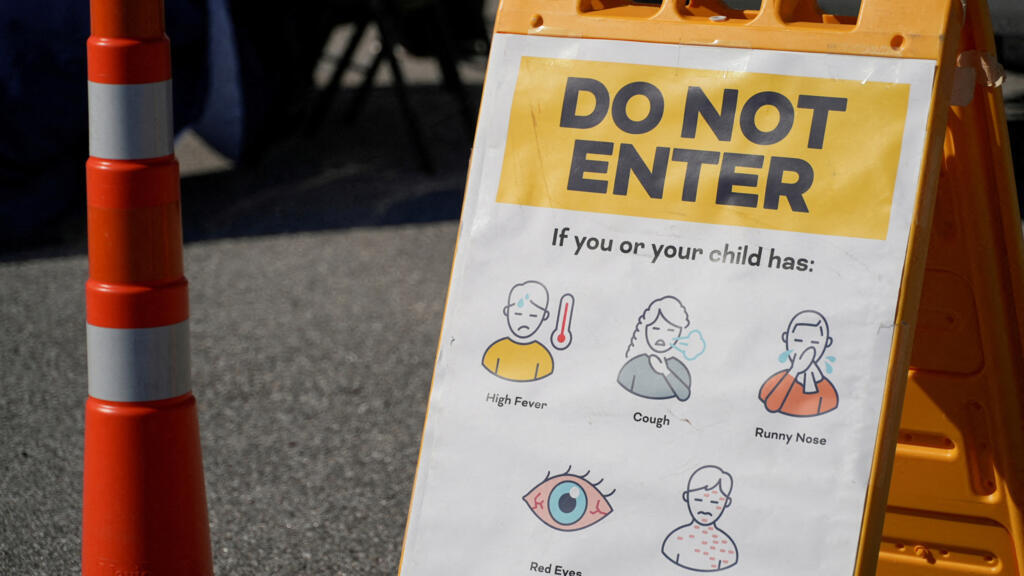
New York has declared a disaster emergency over rising measles cases, especially among under-immunized populations, with 108 confirmed cases.



Subscribe to
our news
Get the most important updates and top stories in your inbox.