




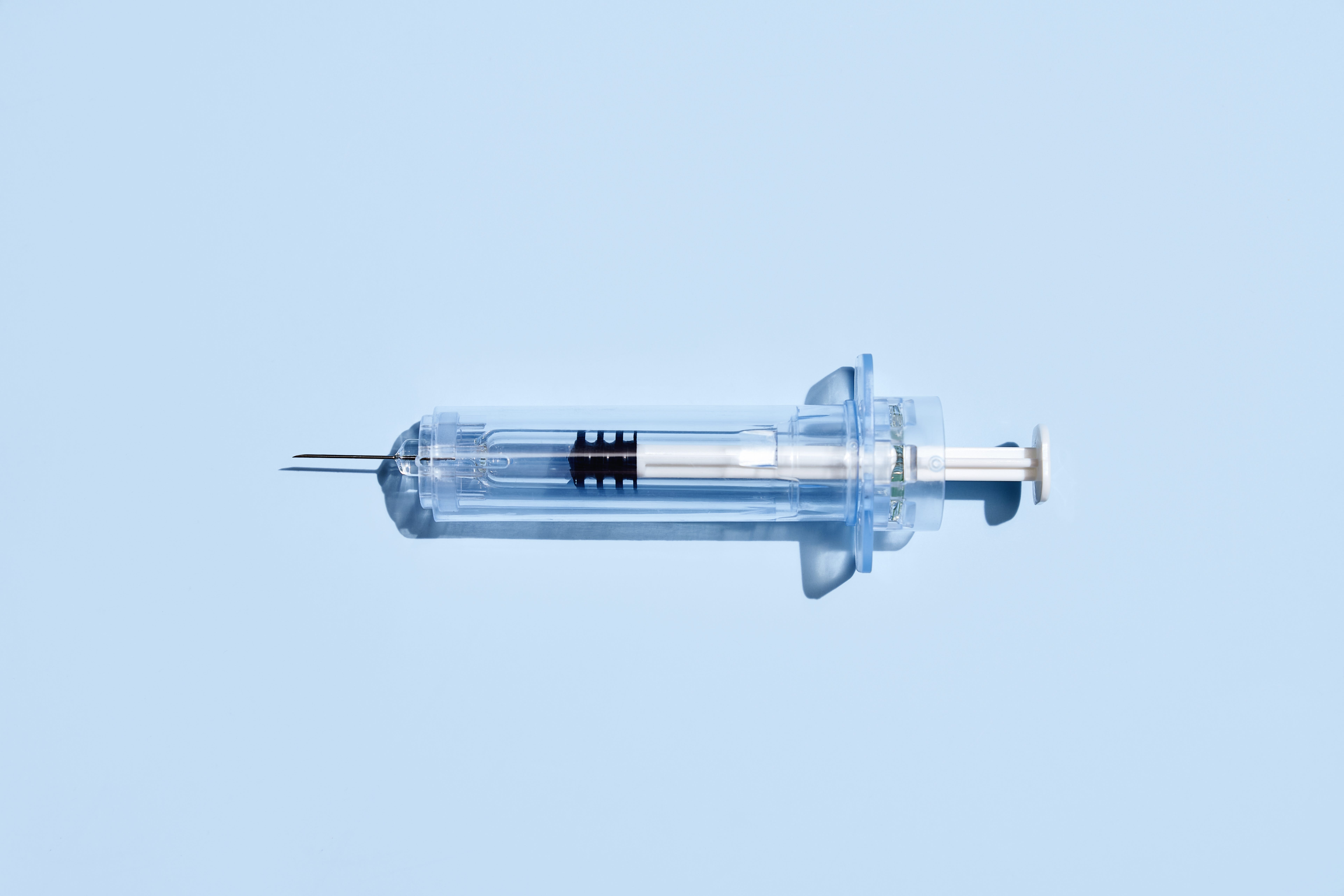
 Health16 Apr 2026
Rising Concerns Over Hib: A Lethal Bacterial Infection Making a Comeback
Health experts are raising alarms over a dip in Hib vaccinations, warning it could lead to increased infections and fatalities among children.
The Resurgence of Hib: What Parents Need to Know
Haemophilus influenzae type b (Hib) is increasingly making headlines as public health experts express concern over declining vaccination rates among children. This bacterial infection, which can lead to severe health complications like brain damage and, in some cases, death, is on the radar of health officials following new data showing alarming trends in vaccination coverage.
Falling Vaccination Rates
According to a report by the Centers for Disease Control and Prevention (CDC), the percentage of infants in the U.S. who received the full Hib vaccination series has decreased from 78.8% in 2019 to just 77.6% in 2021. This series typically involves three to four doses starting at two months of age. This decline not only threatens the herd immunity necessary to keep Hib at bay but may also result in serious consequences for unvaccinated children.
Dr. Thomas Russo, a professor and chief of infectious diseases at the University at Buffalo, emphasized the severity of Hib, stating, "It’s a very invasive, potentially lethal infection that causes extraordinarily serious disease, primarily in children."
Understanding Hib and Its Dangers
What is Haemophilus influenzae type b?
Hib normally resides in the nose and throat and can lead to various infections, including ear infections, sinus infections, and meningitis. Symptoms vary according to the site of infection; for instance, pneumonia caused by Hib may present with fever, cough, and chest pain. More severe cases can escalate quickly to systemic infections, leading to symptoms like stomach pain and shortness of breath.
Why is Hib Different from the Flu?
Despite sharing part of its name with the seasonal flu, Hib is a bacterium, not a viral infection. Dr. Amesh A. Adalja from the Johns Hopkins Center for Health Security explains, "It’s totally different than seasonal influenza—it’s a bacteria, not an influenza virus." While both can be serious, Hib infections carry a higher fatality rate; the CDC notes that up to 6% of cases in children can be fatal.
The Importance of Vaccination
How Effective is the Hib Vaccine?
Currently, the Hib vaccine is a routine immunization in the U.S., given in a series of three or four doses. The CDC indicates there are five licensed Hib vaccines available—most of which boast over 95% effectiveness in preventing serious infections. Russo notes, "Once the vaccine became available, the disease virtually disappeared," with rates plummeting by 99%. However, with rising vaccine hesitancy, these gains are at risk.
Current Trends and What They Mean
As vaccination rates drop, the potential for an increase in Hib cases also grows. Health experts have reported cases of fatalities linked to Hib in unvaccinated children, reigniting the urgency surrounding this vaccine-preventable disease. "If vaccination rates continue to fall, then we will see an increasing number of cases," Russo warns.
Treatment Options and Recommendations
Hib infections are primarily treated with antibiotics, but complications may require more intensive medical intervention, such as IV steroid medications and breathing support. Though adults can contract Hib, the greatest risk lies with young, unvaccinated children. It's crucial for parents to act if their children exhibit symptoms of Hib infections: immediate consultation with a pediatrician is advised, particularly for those with incomplete vaccinations.
Parental Guidance
For parents, ensuring that children are up to date with their Hib vaccinations should be a priority. If your child is vaccinated, standard precautions are sufficient. However, for those who missed their vaccinations, swift action is essential. "If you’ve missed the vaccine, it doesn’t mean it’s all good," Russo cautions.
Conclusion
The risks associated with Hib and the declining vaccination rates are concerning trends that cannot be ignored. Parents must prioritize vaccinations to safeguard their children from this potentially lethal disease, ensuring that their little ones remain protected against the serious health threats posed by Hib.
Popular news
A small plane crash while touring the Nazca Lines in Peru has resulted in 13 fatalities, including tourists and crew.



Subscribe to
our news
Get the most important updates and top stories in your inbox.