




 Technology30 Apr 2026
Rivian Reduces DOE Loan to $4.5B and Expands Georgia Factory Capacity
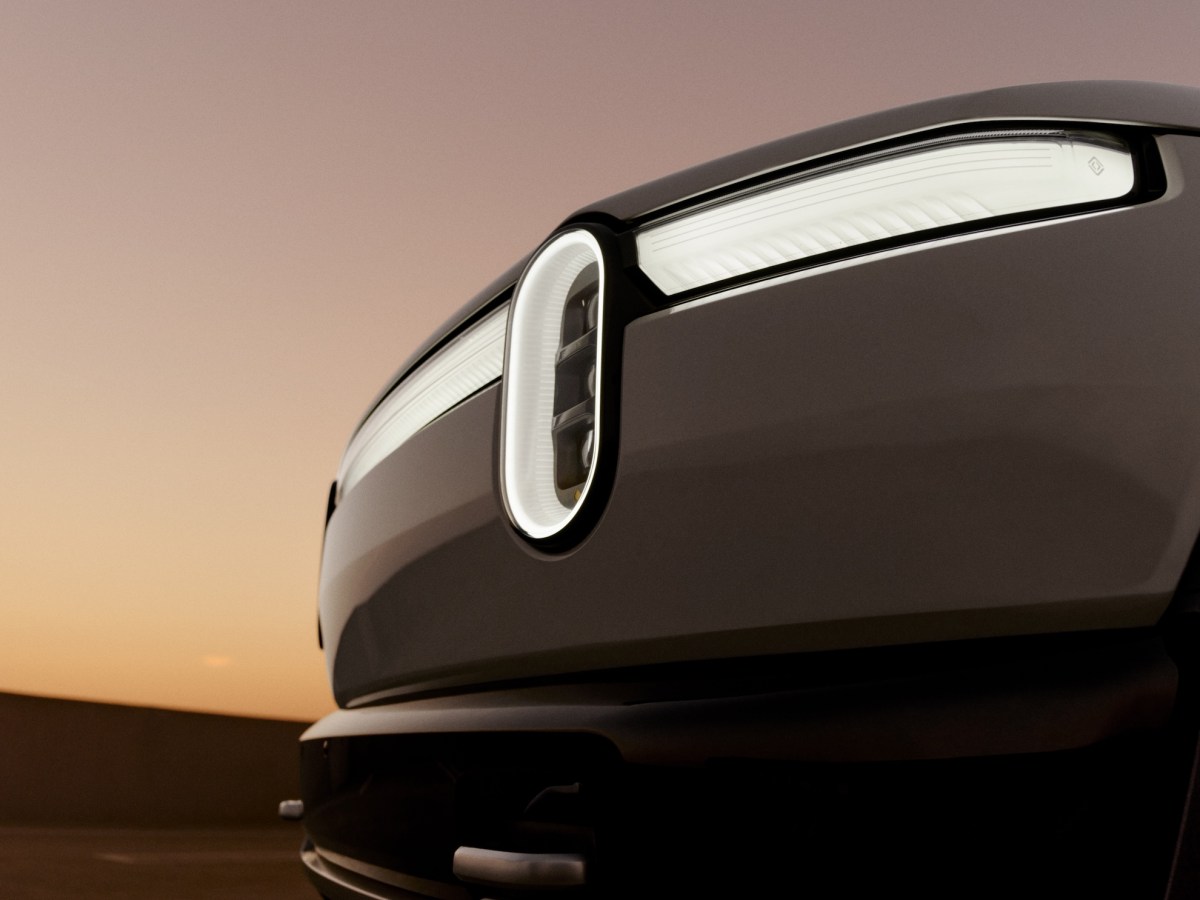
Rivian cuts its DOE loan to $4.5B and boosts Georgia factory capacity by 50%, gearing up for R2 robotaxi production with Uber.
Rivian Adjusts Financial Strategy with Revised DOE Loan
Electric vehicle manufacturer Rivian has announced a significant change to its financial plans by reducing its loan application from the Department of Energy (DOE) to $4.5 billion, a decrease from the previously sought $6.6 billion. This adjustment comes as the company accelerates plans for its new factory in Georgia, which is expected to play an essential role in its production strategy.
Increased Production Capacity
As part of the developments in Georgia, Rivian revealed that it will enhance the factory's initial production capacity by 50%, increasing it from 200,000 to 300,000 vehicles. This expansion is expected to reduce production costs as Rivian gears up for its upcoming R2 SUV, which includes plans for an innovative line of fully autonomous robotaxis designed for ride-hailing giant Uber.
According to Rivian, this larger capacity allows flexibility for further expansions in subsequent phases of the factory's operation. The company aims to commence vehicle production at the Georgia site by late 2028.
Collaboration with Uber
Rivian's partnership with Uber also appears beneficial as the ride-hailing service has committed an initial $300 million investment in Rivian. The agreement includes the delivery of 10,000 fully autonomous R2 robotaxis, set to debut in cities like San Francisco and Miami in 2028. Additionally, Uber has an option to purchase up to 40,000 more vehicles starting in 2030, with a potential total investment of up to $1.25 billion through 2031, contingent on Rivian meeting specific milestones.
Financial Performance Overview
Rivian's announcement regarding the DOE loan coincided with its financial report for the first quarter of 2026. The company achieved revenue of $1.38 billion, with $908 million derived from vehicle sales and $473 million from software and services. However, automotive revenue showed a slight decline of approximately 2% from the same period last year, attributed partly to a decrease in regulatory credits.
Despite the revenue growth, Rivian reported a net loss of $416 million for the quarter, an improvement from the $541 million loss reported in the same timeframe last year. Such progress is partly due to a $506 million gain related to the capital raised from Series A funding.
R&D Costs and Future Prospects
Rivian's increasing operational expenses, particularly in research and development, have contributed to a negative free cash flow of $1 billion, nearly double that of the previous year. The company's R&D budget grew by 20%, reaching $458 million, as Rivian invests heavily in pre-production costs for the R2 model, alongside software development for autonomous technology.
Amidst challenges, Rivian is actively progressing on its current factory in Normal, Illinois, where production of the R2 has already begun, despite setbacks from a recent tornado. The company anticipates that customer deliveries will commence soon, reflecting its commitment to bringing innovative electric vehicles to market soon.
Popular news
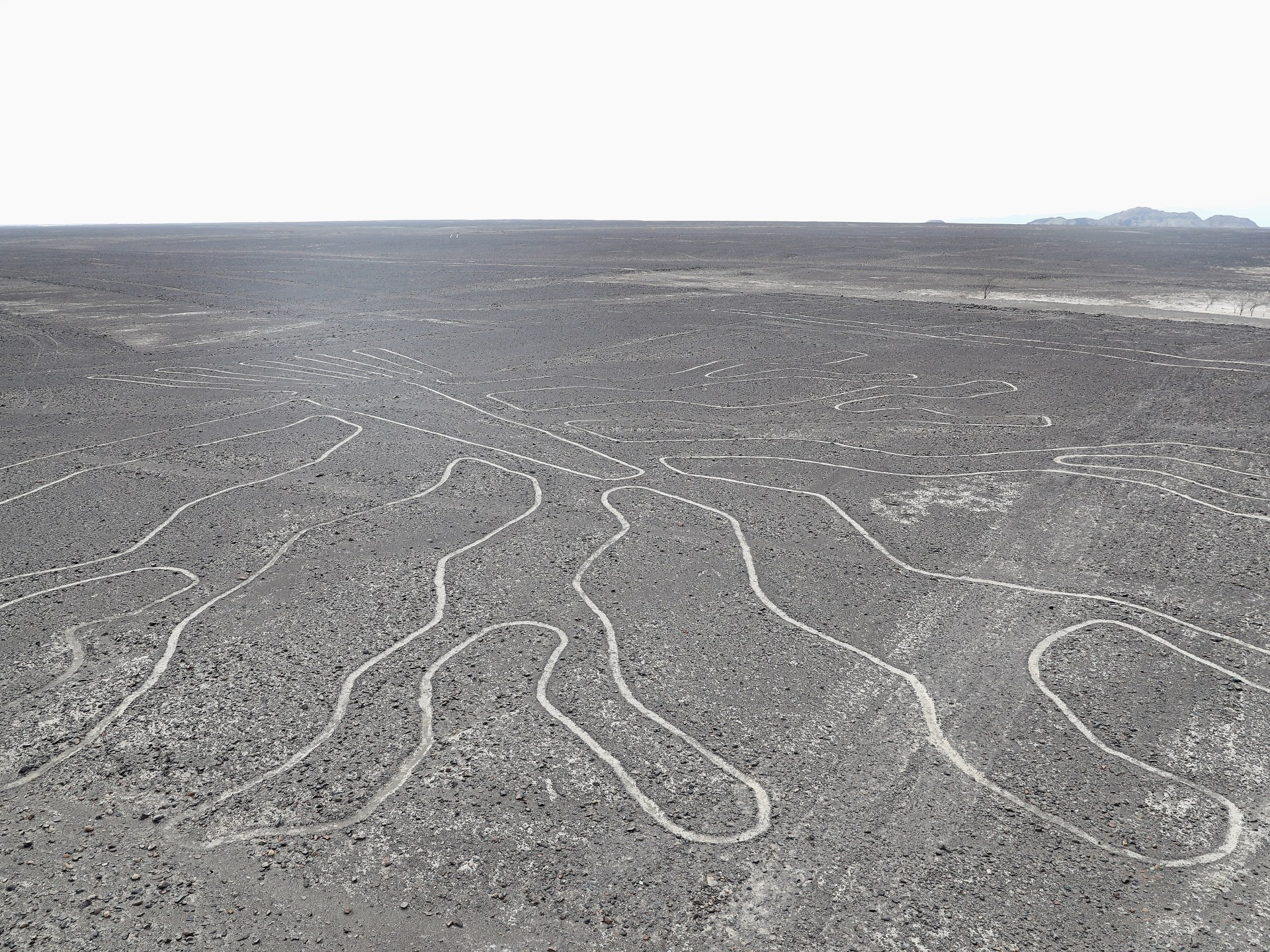
A small plane crash while touring the Nazca Lines in Peru has resulted in 13 fatalities, including tourists and crew.



Subscribe to
our news
Get the most important updates and top stories in your inbox.