




 Business25 May 2026
Rosewood Hotels Implements Global 16-Week Paid Parental Leave Amid Asia's Birth Rate Decline
Rosewood Hotels introduces a 16-week paid parental leave policy, aiming to combat declining birth rates in Asia and foster a supportive corporate culture.
Rosewood Hotels Introduces Landmark Parental Leave Policy
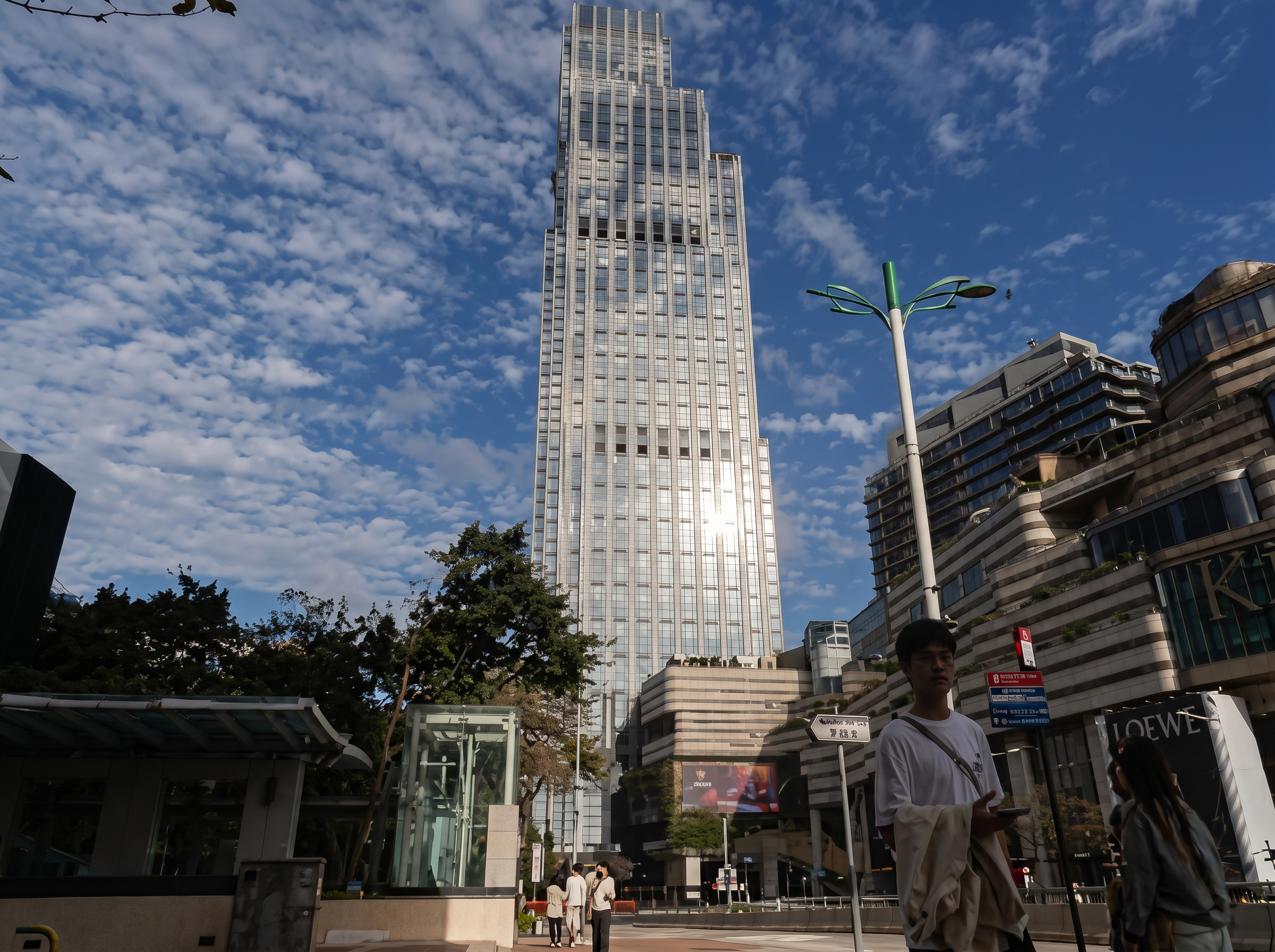
In a proactive move to address declining birth rates in Asia, Rosewood Hotels has launched a global policy granting 16 weeks of fully paid parental leave to all employees, regardless of gender or seniority. This initiative comes as Hong Kong, where the hotel chain is headquartered, faces a fertility crisis, with its birth rate plummeting to just 0.8 children per woman.
The Context of Declining Birth Rates
Current Statistics and Challenges
Hong Kong's registered births fell to slightly over 31,000 in 2025, marking a record low amid long-standing trends of declining fertility. Factors such as exorbitant childcare costs and demanding work hours are making family planning increasingly difficult for many couples. Current statutory maternity leave in Hong Kong allows for only 14 weeks of paid leave, with paternity leave capped at a mere five days. Various government initiatives, including a one-off “baby bonus” of HKD 20,000 (approximately $2,550), have failed to reverse this trend.
Wider Regional Implications
The decline in fertility is not limited to Hong Kong; numerous Asian nations, including South Korea, Japan, and Mainland China, are grappling with similar challenges. Concerns are mounting that many countries in the region might face the prospect of aging populations without achieving significant economic development, leading to a phenomenon often referred to as “growing old before getting rich.”
Rosewood's Policy Details
Comprehensive Support for Employees
Earlier this year, Rosewood, owned by the Cheng family, took a significant step by implementing their new parental leave policy globally. This includes all employees across corporate offices and managed properties, ensuring that adoptive parents also qualify for the leave. Keno Lung, Rosewood’s Global Senior Vice President for Talent and Culture, emphasized the importance of this policy in shaping company culture and retaining talent.
“By rolling this policy out, it’s going to have an impact on our culture and our talent, and it’s going to drive business resilience in the long-term,” Lung stated.
Setting a New Standard
This policy notably surpasses the minimum statutory requirements found in most Asian countries, where parental benefits generally remain less generous compared to those in North America and Europe. Concurrently, other major corporations like Deloitte and Zoom are retrenching their family leave policies, highlighting Rosewood's initiative as a step toward destigmatizing parental leave and promoting gender neutrality in roles and responsibilities.
The Road Ahead for Rosewood
Navigating Cultural Complexities
Implemented in multiple jurisdictions, Rosewood's parental leave policy had to navigate various legal and cultural landscapes, ensuring it was adaptable while respecting local norms concerning parenthood. Lane acknowledged the challenges in promoting this initiative, stating that if left unaddressed, a disproportionate amount of pressure could fall on women within the organization.
A Culture of Inclusion
To further support its employees, Rosewood has created resource groups focused on parents and caregivers, fostering a reintegration process for returning employees. Lung noted that the organization does not mandate leave but ensures that options are available, reflecting a commitment to inclusive employment practices.
“We work with leadership to remove the notion that caregiving as a parent is a distraction or disruptor to a career,” Lung remarked.
Aiming to create a more supportive workplace, the company plans to monitor engagement surveys and return-to-work rates, illustrating their commitment to continually improving employee welfare.
Conclusion
As Rosewood Hotels implements this progressive parental leave policy, it distinguishes itself in an industry facing critical challenges concerning employee retention and cultural acceptance of parental roles. This initiative not only reflects a commitment to enhancing corporate culture but also a broader effort to address the pressing issue of decreasing birth rates in Asia.
Popular news
New York has declared a disaster emergency over rising measles cases, especially among under-immunized populations, with 108 confirmed cases.


Subscribe to
our news
Get the most important updates and top stories in your inbox.