 Health08 May 2026
RTS,S/AS01 Implementation Reduces Mortality in African Children
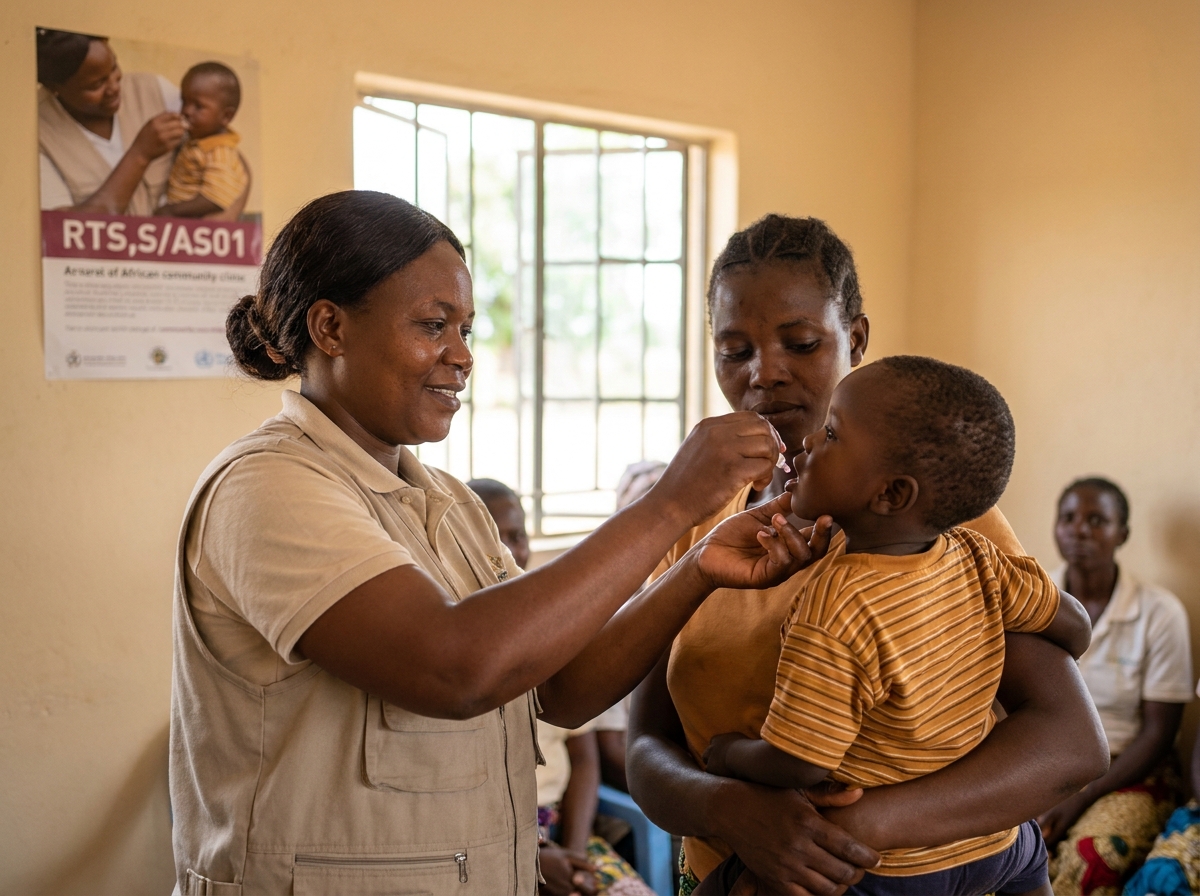
The RTS,S/AS01 vaccine is set to significantly reduce malaria deaths in African children following its WHO approval.
Significant Milestone in Public Health
In a landmark decision, the World Health Organization (WHO) approved the RTS,S/AS01 malaria vaccine, known as Mosquirix, in 2021. This vaccine represents the first of its kind to be granted approval for a parasitic human disease, signaling a major advancement in the fight against malaria, particularly in Africa where the disease has devastating effects on children.
Targeting Malaria in African Children
Malaria remains one of the leading causes of morbidity and mortality in young children across sub-Saharan Africa. Each year, hundreds of thousands of children under five lose their lives to this preventable disease. The WHO’s endorsement of RTS,S/AS01 is poised to change this grim reality. This vaccine is expected to decrease both the incidence of clinical malaria and the resulting mortality rates among affected populations, especially in vulnerable age groups.
How RTS,S/AS01 Works
The RTS,S/AS01 vaccine functions by triggering the immune system to fight against the malaria parasite transmitted by mosquitoes. It is administered in four doses, the last of which is given during the child’s second year of life. Clinical trials have demonstrated that the vaccine can significantly reduce the risk of malaria infections, thus playing a critical role in a broader strategy to control malaria through vaccination, mosquito control, and prompt treatment.
Broader Implications for Global Health
The approval of RTS,S/AS01 not only signifies a technological breakthrough but also emphasizes the need for sustained investment in malaria prevention and treatment initiatives. The commitment to deploying this vaccine could lead to a paradigm shift in how healthcare systems address malaria, aligning with the WHO's goals of reducing the global malaria burden.
Furthermore, as nations strive to meet the United Nations' Sustainable Development Goals (SDGs) related to health, the implementation of this vaccine could play a pivotal role in paving the way towards eliminating malaria as a public health threat.
Conclusion
The introduction of RTS,S/AS01 stands as a beacon of hope in combating one of Africa’s deadliest diseases. As operationalization begins, the world watches closely, anticipating a significant reduction in malaria-related mortality among children, a step that could save countless lives in the coming years.
Popular news
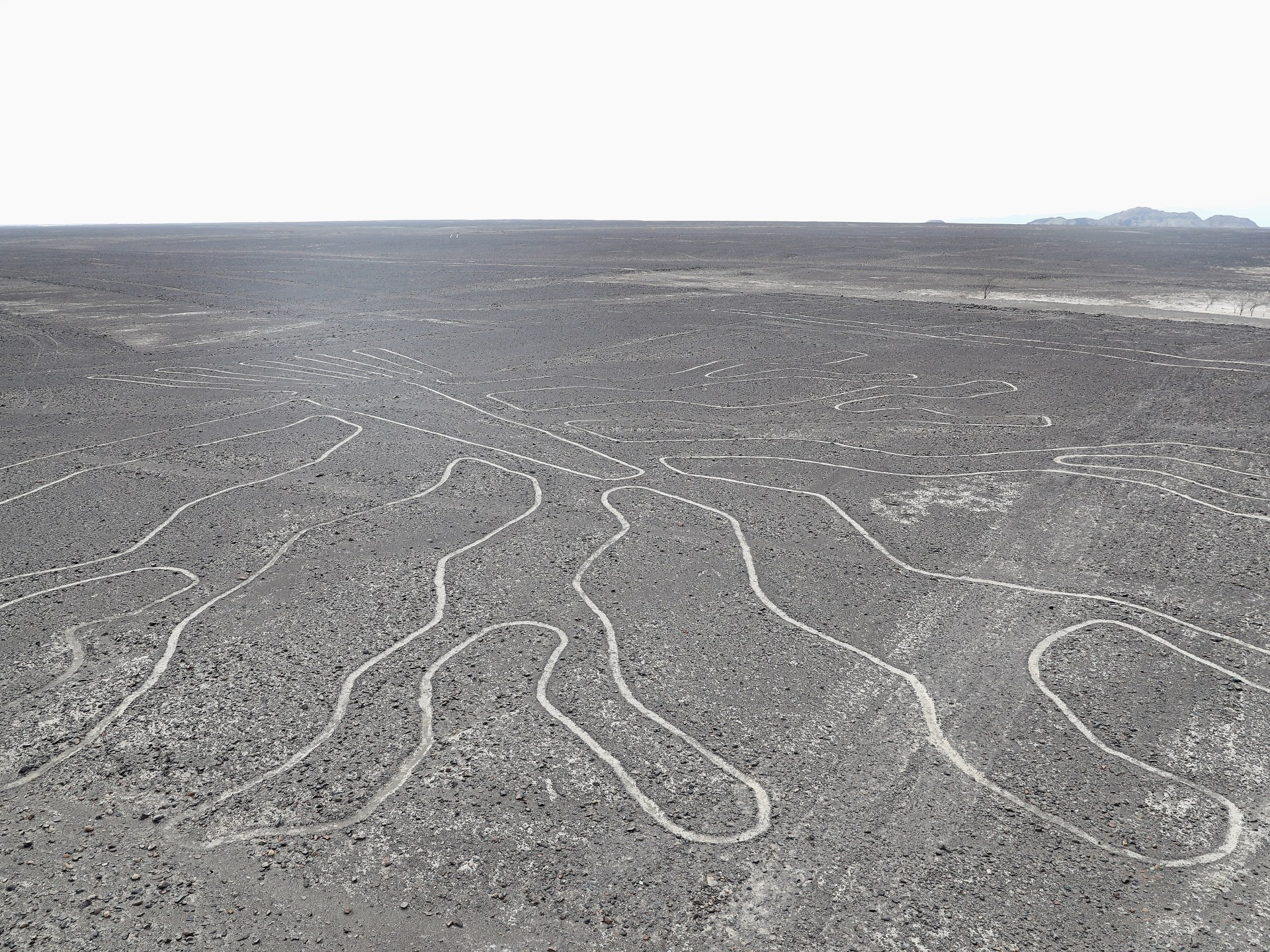
A small plane crash while touring the Nazca Lines in Peru has resulted in 13 fatalities, including tourists and crew.

Subscribe to
our news
Get the most important updates and top stories in your inbox.