 Business25 Apr 2026
Russia Faces Economic Crisis as Reserves Dwindle and Fears of Revolution Loom
Russia's economy teeters on the brink of crisis as reserves deplete and GDP contracts, raising fears of a revolution reminiscent of 1917.
A Troubling Economic Outlook for Russia
The Russian economy is grappling with significant challenges, as highlighted by Economy Minister Maxim Reshetnikov's recent statements regarding the depletion of financial reserves. With the economy contracting by 1.8% in early 2026, concerns of a looming financial crisis are rising amid escalating inflation and increasing loan defaults.
Decline in Economic Performance
In a recent business conference, Reshetnikov candidly addressed the difficulties facing the country, noting that the economic situation is far from stable. He pointed out that labor shortages have been exacerbated by heightened military spending and increasing salaries. "Of course, it’s not easy to find staff, and salaries are rising," Reshetnikov stated. He added that available reserves are largely exhausted, marking a significant deterioration in the macroeconomic landscape.
The ruble's appreciation and persistently high interest rates, despite recent cuts, further complicate matters. The central bank has implemented a series of interest rate reductions, bringing the key rate down to 14.5%—the fifth consecutive cut. Elvira Nabiullina, the central bank governor, cautioned that ongoing conflicts in the Middle East could further strain Russia's economy.
Government's Response and Rising Tensions
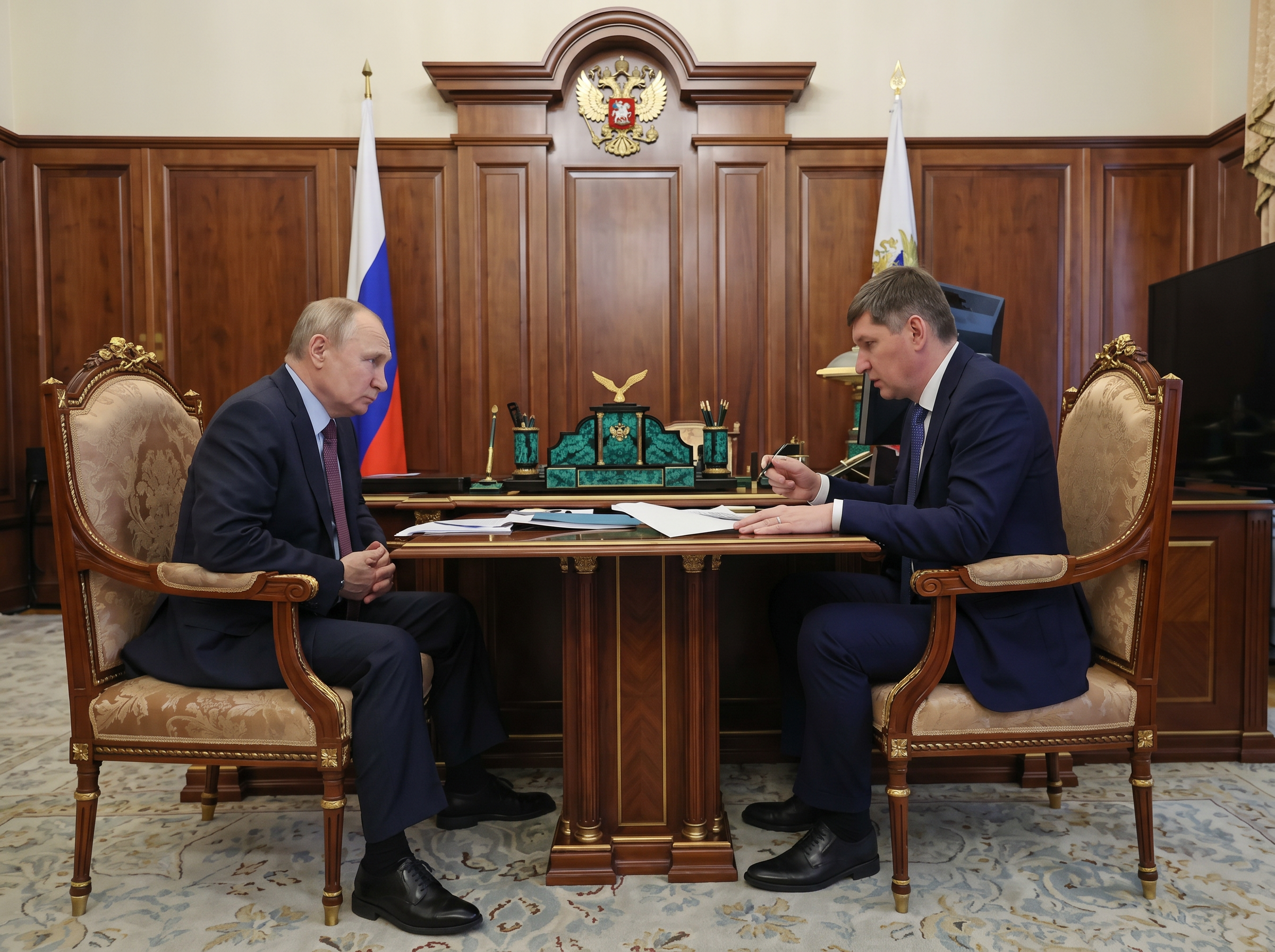
President Vladimir Putin has openly expressed his frustration with current economic trends, demanding immediate solutions from his ministers. During a televised meeting, he referenced the negative trajectory of macroeconomic indicators, stating a combined GDP decline of 1.8% in January and February, along with downturns in manufacturing and construction sectors.
Warnings of an imminent financial crisis have proliferated among both government officials and private sector allies, who have raised alarms about spiraling inflation affecting consumer spending and loan servicing capabilities.
Calls for Urgent Action
As tensions mount, Gennady Zyuganov, leader of the Communist Party, issued a stark warning reminiscent of historical upheaval. In parliament, he suggested that without immediate and effective economic measures, the nation could face a crisis akin to the 1917 revolution, stating, "If you (the government) do not urgently adopt financial, economic and other measures, by autumn a repeat of what happened in 1917 awaits us." Although there are currently no visible signs of widespread agitation, Zyuganov’s remarks underscore a growing urgency among some lawmakers about the fragility of the current situation.
Meanwhile, Sweden’s military intelligence chief, Thomas Nilsson, noted that Russia’s economy is weaker than it appears, citing the unsustainable growth model heavily reliant on military production, much of which is now destroyed in ongoing conflicts.
The Immediate Future
As citizens grapple with an increasing cost of living, the Kremlin has implemented tighter restrictions on internet access, likely in an effort to suppress dissent amid rising discontent. Recent attacks on Russian infrastructure, including a refinery strike in Tuapse, have further complicated the economic landscape, impacting oil supplies critical to the military efforts in Ukraine.
In summary, as Russian leaders grapple with a deteriorating economic situation marked by depleted reserves and rising inflation, the implications of economic policy and public sentiment remain uncertain, setting the stage for potential upheaval if corrective actions are not promptly taken.
Popular news
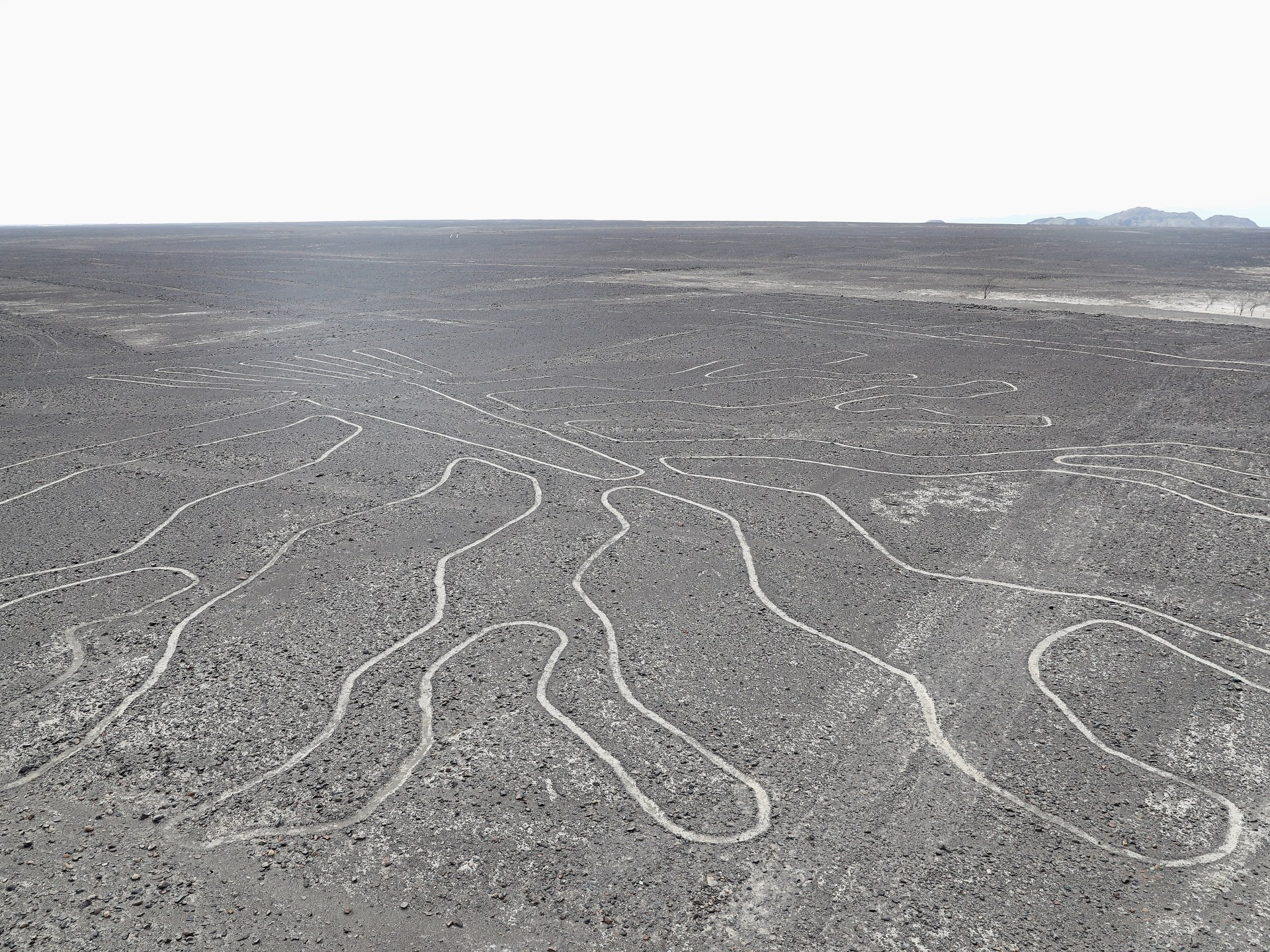
A small plane crash while touring the Nazca Lines in Peru has resulted in 13 fatalities, including tourists and crew.
Subscribe to
our news
Get the most important updates and top stories in your inbox.