




 World16 Apr 2026
Russia's Coercion of Migrants to Fight in Ukraine: A Deepening Crisis
Central Asian migrants face coercive measures by Russia to fight in Ukraine, risking their lives amidst threats of violence and deportation.
Coercion and Conflict: Migrants Forced to War
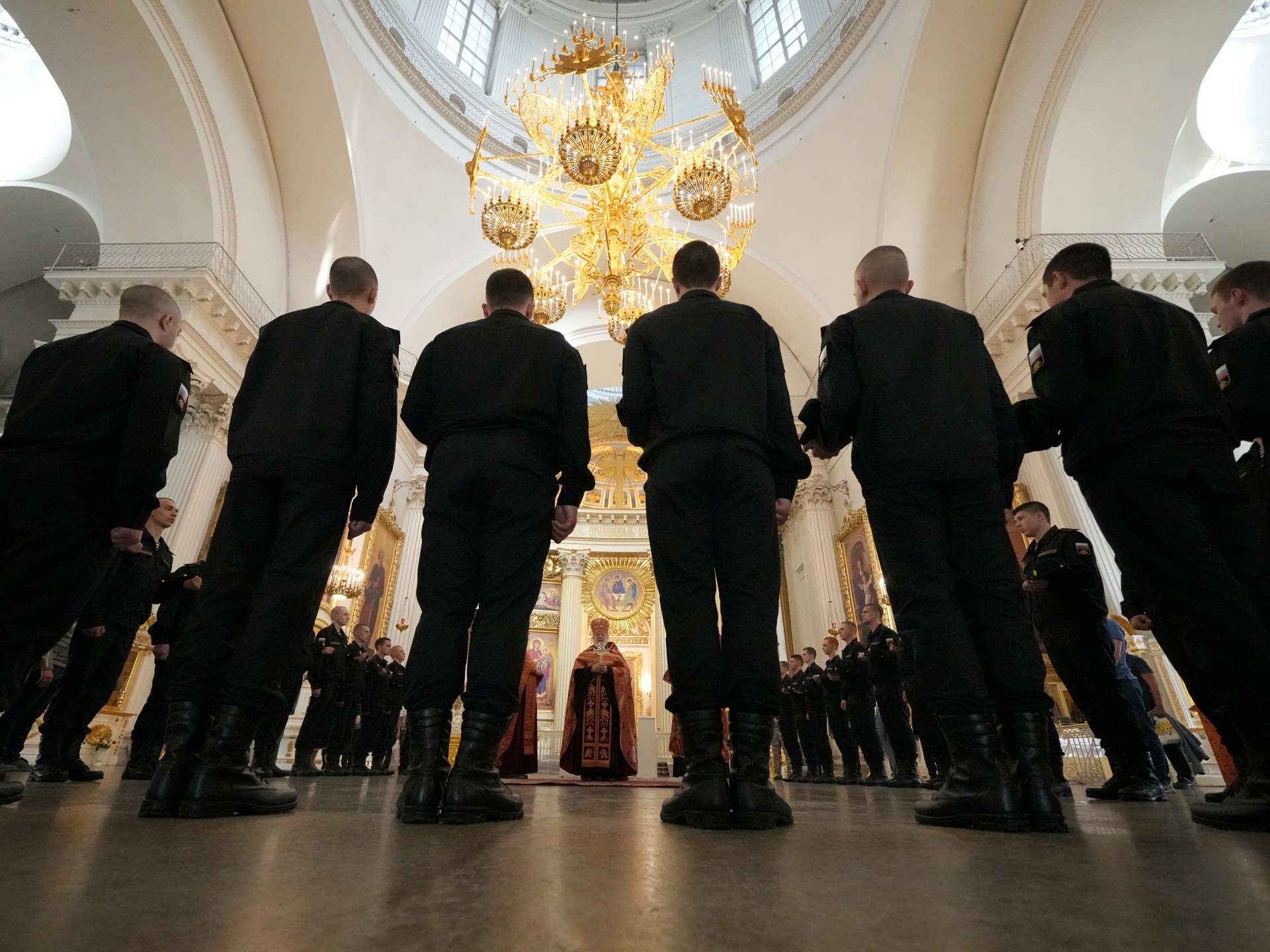
In a shocking report, Hushruzjon Salohidinov, a 26-year-old from Tajikistan, reveals his harrowing experience of being coerced into fighting for Russian forces in Ukraine. Salohidinov's plight underscores a chilling trend within Russia, where migrants, especially from Central Asia, are increasingly drafted into perilous military roles under threat of violence.
The Harsh Reality for Migrants
Salohidinov was originally working as a courier in Saint Petersburg before a wrongful arrest led to nine months of detention. While in custody, Russian prison wardens presented him with a grim choice: fight in Ukraine or face horrific consequences, including sexual violence. “They said, ‘Oh, you’ll put on a skirt now, you’ll be raped,’” he recounted. This tactic exemplifies the frightening circumstances many migrants face, with life expectancy on the front lines averaging a mere four months.
After being presented with financial incentives — a signing bonus of 2 million rubles (approximately $26,200) and a monthly salary of 200,000 rubles (around $2,620) — Salohidinov felt he had no option but to enlist. His case is not an isolated incident but part of a broader state campaign compelling thousands of labor migrants to serve in Ukraine.
Systematic Coercion and Recruitment Strategies
Human rights groups and Ukrainian organizations have reported that the Kremlin has been actively recruiting Central Asian migrants since the onset of the Ukraine conflict. Police routinely target individuals who don't fit the Slavic mold, detaining them under dubious charges and in some cases, fatally threatening their families with deportation to secure compliance.
Migrants often report being subjected to abuse, torture, and manipulative tactics. Alisher Ilkhamov, head of the Central Asia Due Diligence think tank, highlights that threat of deportation is the primary pressure mechanism driving recruitment. Furthermore, Salohidinov's experience echoes others, where migrants have been tricked into signing contracts under false pretenses.
Life As a Conscript
After Salohidinov signed his enlistment papers, he underwent minimal training characterized by poor preparation for combat. “We just kept running back and forth with guns,” he lamented, adding that the equipment they were issued was subpar. Conscripts were also subject to severe verbal abuse and physical punishment for minor mistakes, indicating a culture of dehumanization.
The commanding officers exhibited blatant disregard for the dietary practices of Muslim soldiers, further illustrating the deep-seated xenophobia present in these military units. The climate of fear among the troops was palpable, with commanders issuing threats of severe punishment should they surrender.
Surrender and Hope for the Future
Trapped in a perilous situation, Salohidinov and his commander opted to surrender rather than face certain death. The Ukrainian forces provided humane treatment post-surrender, significantly contrasting his experiences with the Russians. “I’m even glad that I got captured because I’m not fighting anyone now,” he reflected, emphasizing the dire plight of soldiers forced into combat against their will.
With tacit support from their home governments, migrants like Salohidinov are caught in a violent cycle of coercion and war. While some nations, including Tajikistan, have distanced themselves from formal endorsements of Russia's actions, the lack of protection for their citizens underscores a complex geopolitical landscape.
Conclusion
As Russia seeks to bolster its military ranks amid declining public interest in the conflict, the exploitation of vulnerable migrants raises ethical concerns regarding the treatment of these individuals. Salohidinov's desire for safety and a return to his homeland underscores the grim reality for many caught in this escalating crisis, highlighting the need for international awareness and action on the treatment of migrants in conflict zones.
Popular news
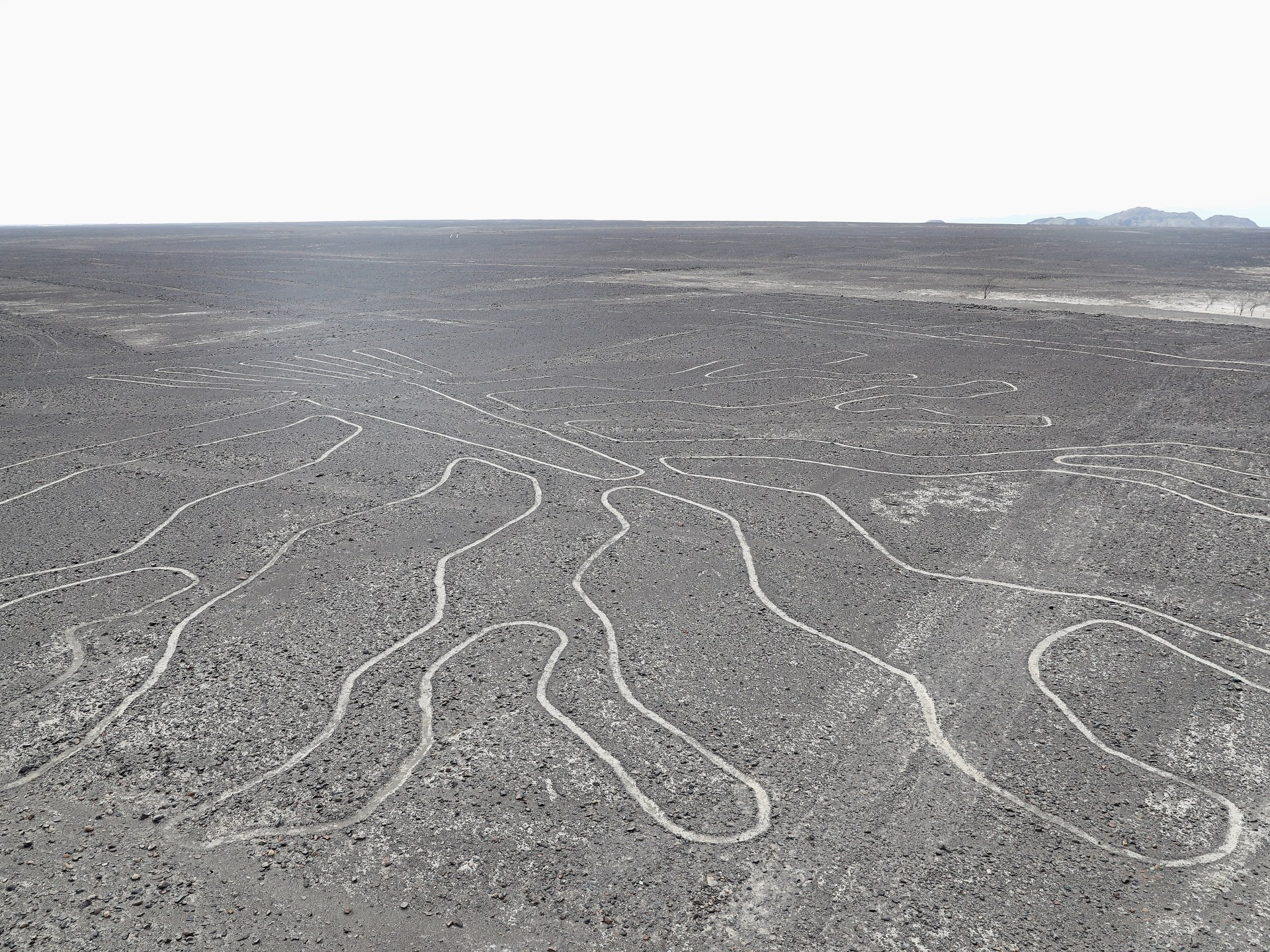
A small plane crash while touring the Nazca Lines in Peru has resulted in 13 fatalities, including tourists and crew.

Subscribe to
our news
Get the most important updates and top stories in your inbox.