 Technology14 Apr 2026
Samsung's Mid-Range OLED TV Loses Key Quantum-Dot Technology
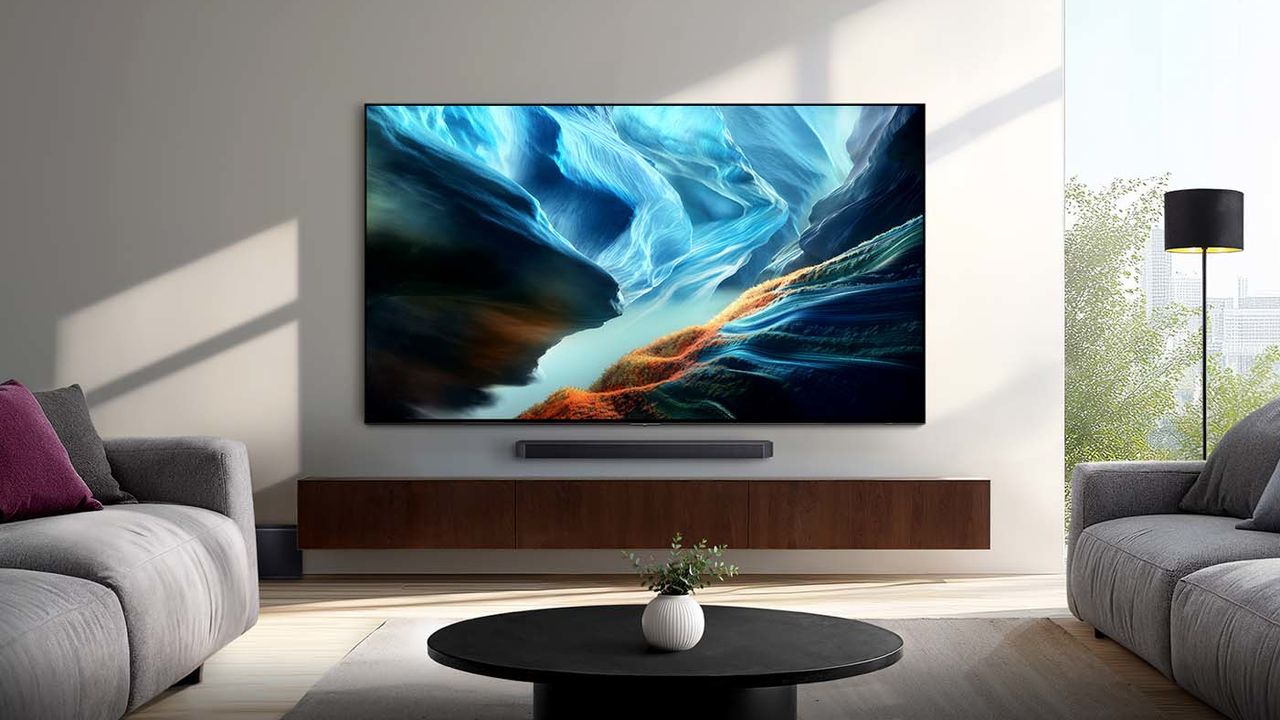
Samsung's new S90H TV swaps quantum-dot technology for WOLED, altering performance metrics significantly in mid-range OLEDs.
Samsung's S90H OLED TV: A Key Feature Abandoned
In a surprising move, Samsung has modified its mid-range OLED TV lineup with the introduction of the S90H model, which now lacks the advanced quantum-dot technology that characterized its predecessor, the S90F. This change marks a significant shift in color volume and brightness capabilities that previously set the S90F apart from its competitors, notably the LG C5.
The Importance of Quantum-Dot Technology
Last year, the Samsung S90F benefited greatly from its quantum-dot-enhanced display technology, allowing for vivid color performance and superior brightness compared to the WOLED panel used in the LG C5. The quantum dots enable a more efficient method of color reproduction, generating a broader color spectrum than standard WOLED displays, which rely on white light and color filters.
However, with the S90H, Samsung has reverted back to a standard WOLED display, which is likely to impact the TV's overall performance significantly. According to reports, the entire S90H series will utilize this WOLED display, indicating that consumers seeking the quantum-dot advantage in mid-range models will now have to consider higher-end options from Samsung.
Features of the S90H
Despite the drop in quantum-dot technology, the S90H holds the distinction of being the first mid-range OLED television to feature Samsung's glare-free display. This matte-style display was previously exclusive to flagship models and could enhance viewing experiences in brightly lit environments. However, many consumers may question whether this feature compensates for the loss of quantum-dot color enhancements.
Implications for Future OLED Purchases
As Samsung elevates its S90H to be a competitive mid-range option, the implications for future OLED television purchases become apparent. Potential buyers looking for superior color depth and brightness will find that those advantages are now confined to Samsung's higher-end models, such as the anticipated S95H. For shoppers hoping to acquire a quantum-dot enhanced OLED TV at a mid-range price, the S90F model remains an excellent choice before it potentially phases out in regions globally.
Samsung's decision signals a shift in the mid-range market, underscoring evolving consumer preferences and technological advancements. As the landscape changes, consumers may need to reevaluate their expectations when it comes to performance in this price category.
Conclusion
While the Samsung S90H includes notable features like a glare-free display, the omission of quantum-dot technology may leave many consumers longing for the advantages provided by the previous S90F model. As Samsung continues to innovate, attention will remain on how these adjustments affect consumer choices and the competitive dynamics of the OLED TV market.
Popular news
A small plane crash while touring the Nazca Lines in Peru has resulted in 13 fatalities, including tourists and crew.





Subscribe to
our news
Get the most important updates and top stories in your inbox.