




 World18 Jun 2026
Scotland Fans Bring Joy to Boston with Traffic Cone Tradition
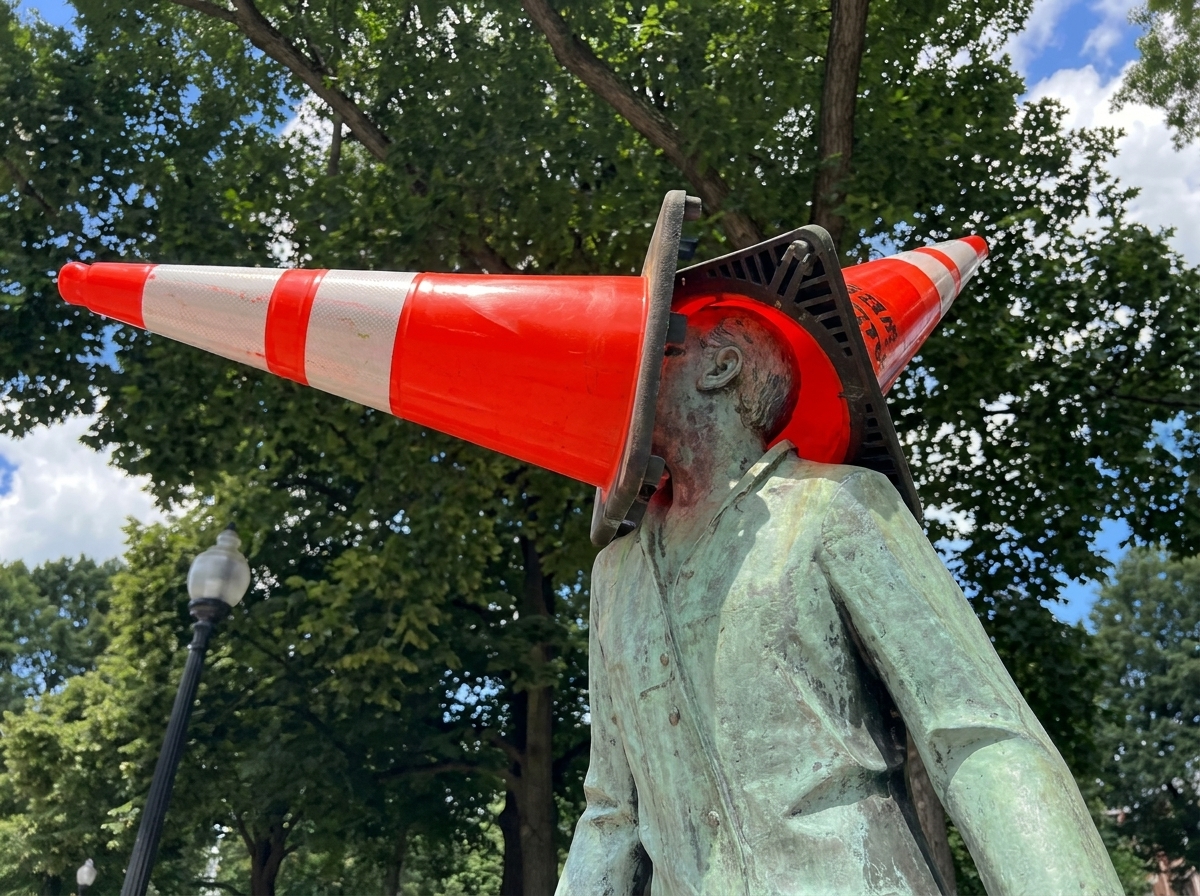
Scottish fans in Boston for the World Cup are adding traffic cones to statues, a humorous nod to Glasgow's traditions. Locals and tourists embrace the fun!
Scotland Fans and Their Charming Tradition in Boston
As Scotland fans descend on Boston for the World Cup, a unique and whimsical phenomenon has emerged on the city’s streets — bright orange traffic cones adorning local statues. This playful act not only showcases the humorous spirit of the Tartan Army but also serves as a delightful reminder of a long-standing tradition from Glasgow.
Origins of the Cone Tradition
The tradition of placing a traffic cone on the Duke of Wellington statue in Glasgow dates back to the late 1980s. The statue, crafted by Italian artist Carlo Marochetti and erected in 1844, was soon humorously adorned by late-night revelers. The iconic cone, despite being labeled as vandalism by local authorities, has become a beloved symbol, celebrated by Glasgow locals and visitors alike. Images of the Duke with his cone have even attracted the attention of renowned artist Banksy, who has called it his "favorite work of art in the UK."
Boston's Statues Join the Fun
With an estimated 20,000 to 30,000 Scottish fans arriving in Boston, excitement has translated into a series of light-hearted cone placements across the city. Statues transformed this week include the
-
Arms of Friendship at Charlestown Navy Yard, which features a bronze octopus lifting endangered animals.
-
Kevin White, a respected former Boston mayor, whose statue has become a prime target for the cones. White served from 1968 to 1984 during pivotal social changes in the city.
-
Bill Russell, the celebrated Boston Celtics basketball legend, also sported a traffic cone on his statue, further linking Boston’s sports culture with Scottish cheer.
Brendan McGillicuddy, a Boston resident, expressed his amusement upon seeing the cone on the statues, stating, "I have no idea what it means but it's a nice little symbol of Scotland."
Local Reception and Cultural Exchange
Despite the authorities’ efforts to remove the traffic cones, fans continue to indulge in this humorous gesture. Alistair Blake from Glasgow, along with his two sons, wore their own cone hats during their visit, underscoring the friendly nature of this tradition. "It’s a friendly Glaswegian gesture. We don’t get very far without someone stopping us and asking for a picture," he shared with enthusiasm.
The tradition of decorating statues with cones has evidently traveled well across the Atlantic, fostering connections between locals and visitors. Susan Law, originally from Paisley and now living in England, remarked on the positive reception of the cones: "It’s fun and shows people are friendly. I think the Americans are loving it!"
Conclusion: A Symbol of Unity
With Scotland's second match against Morocco on the horizon, the spirit of camaraderie continues to thrive not only among fans but also among Bostonians, who appreciate the light-hearted antics of their Scottish guests. The playful intrusion of traffic cones symbolizes shared joy and cultural exchange — showcasing how humor can bridge distant lands and histories.
As Scotland fans cheer on their team, Boston's streets are transformed into a vibrant celebration of Scottish identity and tradition, leaving an indelible mark on both locals and visitors.
Popular news
A small plane crash while touring the Nazca Lines in Peru has resulted in 13 fatalities, including tourists and crew.





Subscribe to
our news
Get the most important updates and top stories in your inbox.