 Health19 Jun 2026
Shingles Vaccine Linked to Reduced Dementia Risk in Older Adults
A recent study finds that older adults receiving the shingles vaccine have a lower risk of developing dementia, suggesting broader health benefits.
Shingles Vaccine and Dementia Risk Reduction
A large-scale analysis has unveiled promising findings regarding the shingles vaccine (RZV) and its potential to lower dementia risk among older adults. Researchers examining data from over 500,000 Medicare beneficiaries discovered that individuals vaccinated with the recombinant shingles vaccine exhibited a 24% relative reduction in dementia risk over a four-year follow-up period. This corresponds to an absolute risk reduction of approximately six percentage points compared to their unvaccinated counterparts.
The study's results persisted after adjusting for a variety of demographic and health factors, suggesting that the observed protective effects were not merely due to differences between the vaccinated and unvaccinated groups. However, it is essential to note that while the study emphasizes a significant association, it does not establish a direct cause-and-effect relationship.
Background of the Study
Over the past few years, researchers have increasingly focused on understanding whether the shingles vaccine can provide benefits beyond its primary role in preventing herpes zoster (shingles). Given that older adults are at a higher risk for both shingles and dementia, the potential implications of vaccination could extend to cognitive health.
Previous studies in regions like Wales and Australia have hinted at a connection, indicating that individuals receiving the earlier live-attenuated shingles vaccine (Zostavax) showed a reduced incidence of dementia. With Zostavax no longer available in the United States since 2020, the focus has shifted to the newer recombinant vaccine, known as Shingrix.
Findings from the Analysis
The recent study, published in the Annals of Internal Medicine, surveyed Medicare claims and electronic health records of older adults aged 66 and above who were admitted to skilled nursing facilities across the U.S. between 2017 and 2022. Only about 8,843 of the 509,926 participants had received the Shingrix vaccine. Researchers employed a method called target trial emulation to closely mimic the conditions of a randomized clinical trial.
The results revealed that only 18.8% of vaccinated individuals developed dementia, compared to 24.6% of those unvaccinated. The lead study author, Kaley Hayes, PharmD, PhD, highlighted that up to one in every seventeen dementia diagnoses could be prevented through shingles vaccination.
"We don’t know with certainty why the risk of dementia is lower with shingles vaccination, but we have a lot of ideas," said Hayes. She suggested that the reduction in shingles infections—known to cause neuroinflammation—could be a significant factor.
Implications for Older Adults
Currently, the recombinant shingles vaccine is recommended for individuals aged 50 and older, as well as younger immunocompromised individuals. While the findings prompt further consideration of the vaccine’s role in dementia prevention, experts assert it is too early to shift its primary focus from shingles prevention.
The study underscores the necessity for ongoing investigation into how infection prevention and immune health may influence cognitive function over time. Researchers theorized that preventing shingles and reducing the risk of viral reactivation could protect the brain from inflammation linked to the varicella-zoster virus.
Additionally, some researchers believe that the immune-stimulating properties of vaccines could offer protective benefits, promoting cognitive health beyond mere infection prevention.
Limitations of the Study
Despite the encouraging findings, the study does not conclusively prove that the shingles vaccine prevents dementia. The observational nature of the research means unmeasured differences, such as the health status and demographic characteristics of vaccinated individuals—not entirely accounted for—could still influence results.
Moreover, the uptake rate of the shingles vaccine among nursing home residents remains disappointingly low, underscoring the importance of reducing barriers to vaccination in high-risk populations for both shingles and dementia. As research continues, it is vital to focus on enhancing vaccination rates while comprehensively understanding the potential cognitive benefits of the shingles vaccine.
Popular news
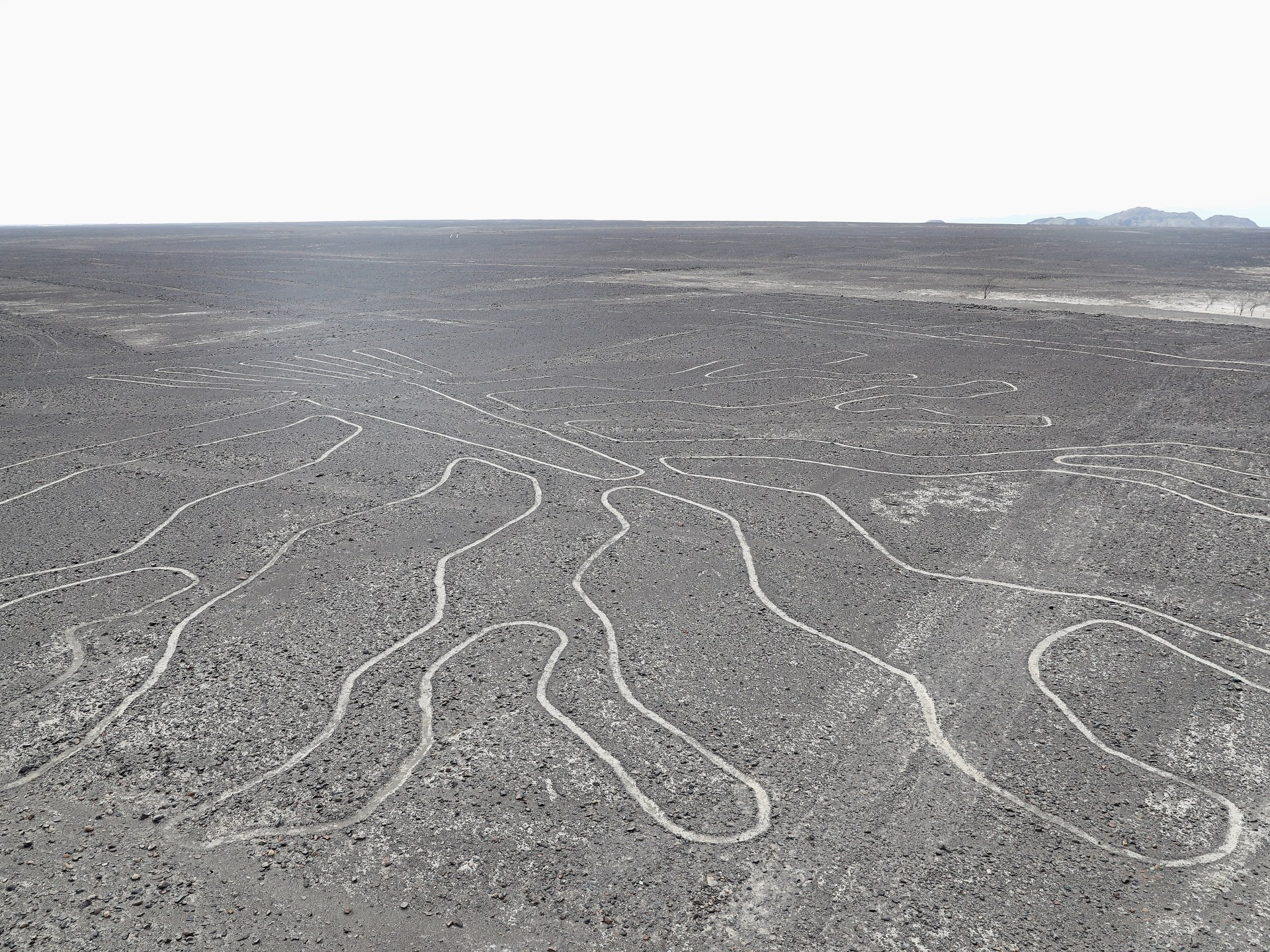
A small plane crash while touring the Nazca Lines in Peru has resulted in 13 fatalities, including tourists and crew.


Subscribe to
our news
Get the most important updates and top stories in your inbox.