 Business04 Jun 2026
Skydweller Solar Aircraft Project Survives Prototype Loss, Plans Future Enhancements
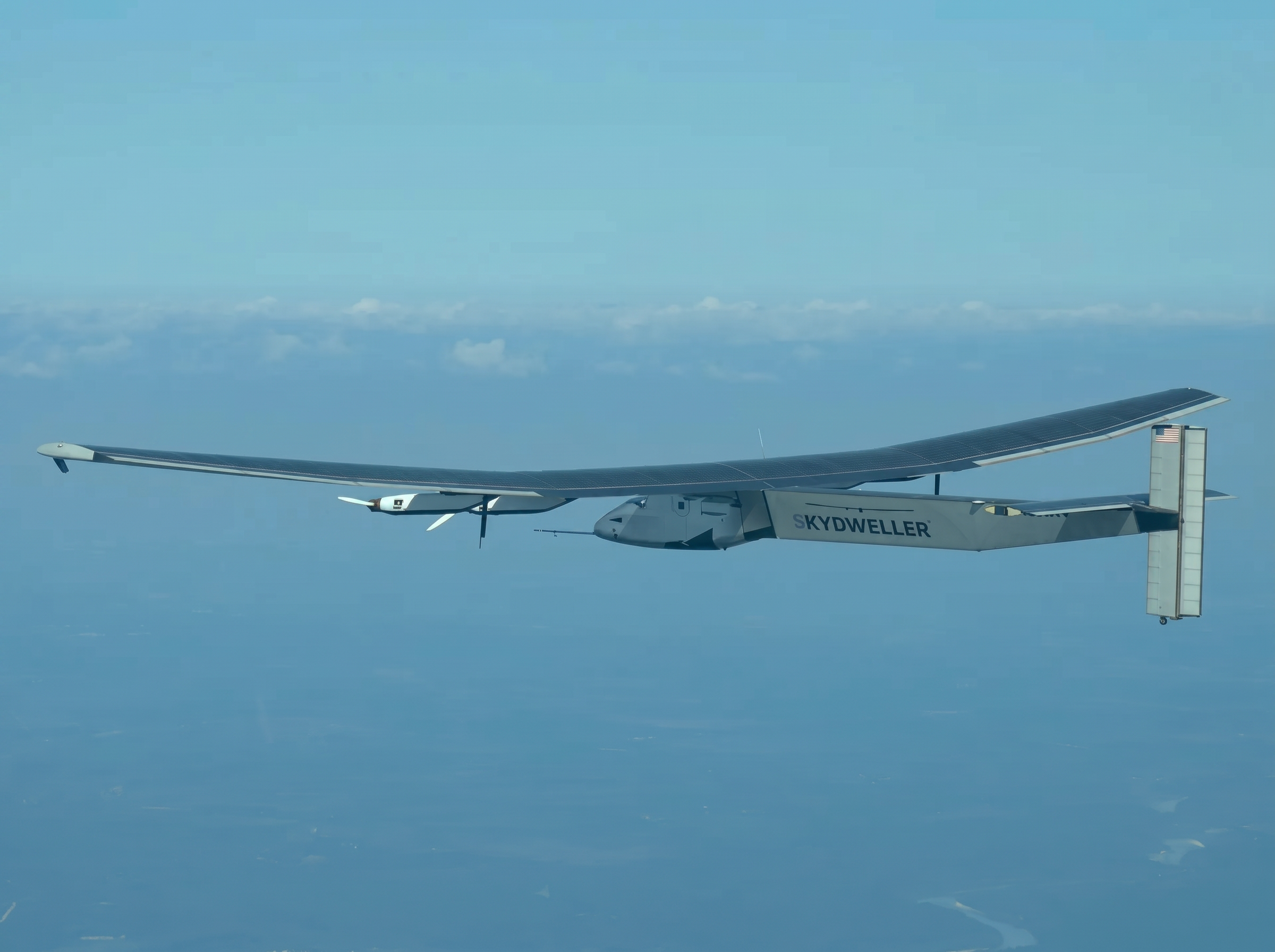
Skydweller Aero's solar aircraft project continues despite losing its prototype. CEO highlights improvements for the next version set to launch soon.
Skydweller's Solar Aircraft Project: A Resilient Future
The Skydweller Aero solar aircraft project is pushing forward even after the recent loss of its prototype during a U.S. Navy exercise. The aircraft faced unforeseen challenges, ultimately succumbing to battery depletion in severe weather conditions. However, CEO Robert Miller has expressed confidence in the project's resilience and future enhancements.
Understanding the Loss
The incident occurred following a successful eight-day flight during the FLEX-26 naval exercise in the Caribbean, where Skydweller showcased its capabilities by tracking small vessels with military-grade sensors. Despite initial success, the aircraft encountered unexpected turbulence while returning, leading to critical energy consumption that the solar power system couldn't sustain.
Miller explained that while previous weather experiences had not posed such a threat, this particular occasion proved too challenging. The Skydweller was forced to ditch safely in the sea after battery levels fell dangerously low, an issue attributed partly to not having the latest battery technology in place.
Aiming for Improvement
Looking ahead, Miller reassured stakeholders that the lessons learned would be pivotal in developing the next Skydweller aircraft, which is expected to take to the skies within the next 12 to 18 months. Key enhancements include more efficient engines, superior solar cells, and potential installation of weather radar systems designed to help the craft navigate adverse conditions in real time.
"All of these new technologies are available to us today," said Miller, highlighting the advances that will bolster the aircraft's durability and operational capacity compared to fragile predecessors in solar aviation.
The Broader Solar Aviation Landscape
Other companies are also making strides in solar aircraft technology. For instance, BAE Systems is progressing with its PHASA-35 solar drone, which promises to double its solar power generation capabilities with the next aircraft variant. This technology will likely be utilized for customer operations, enhancing surveillance capabilities.
The global competition doesn't stop there; China is developing its own solar drone technology, signaling a growing interest across nations in renewable energy-powered aerial systems.
Conclusion: A Phoenix in the Making
The future prospects of the Skydweller Aero project are bright, despite the recent setback. The loss of a prototype is a chapter in an ongoing saga filled with both challenges and innovations. Rather than an insurmountable barrier, Miller views this as an opportunity for substantial growth and operational readiness. As solar technology evolves, the vision of continuous flight powered entirely by the sun edges closer to reality, exemplifying a resilient form of innovation in aviation.
Popular news
New York has declared a disaster emergency over rising measles cases, especially among under-immunized populations, with 108 confirmed cases.




Subscribe to
our news
Get the most important updates and top stories in your inbox.