 Health23 Apr 2026
Study Links Pesticide Exposure to Rising Colorectal Cancer Rates in Younger Adults
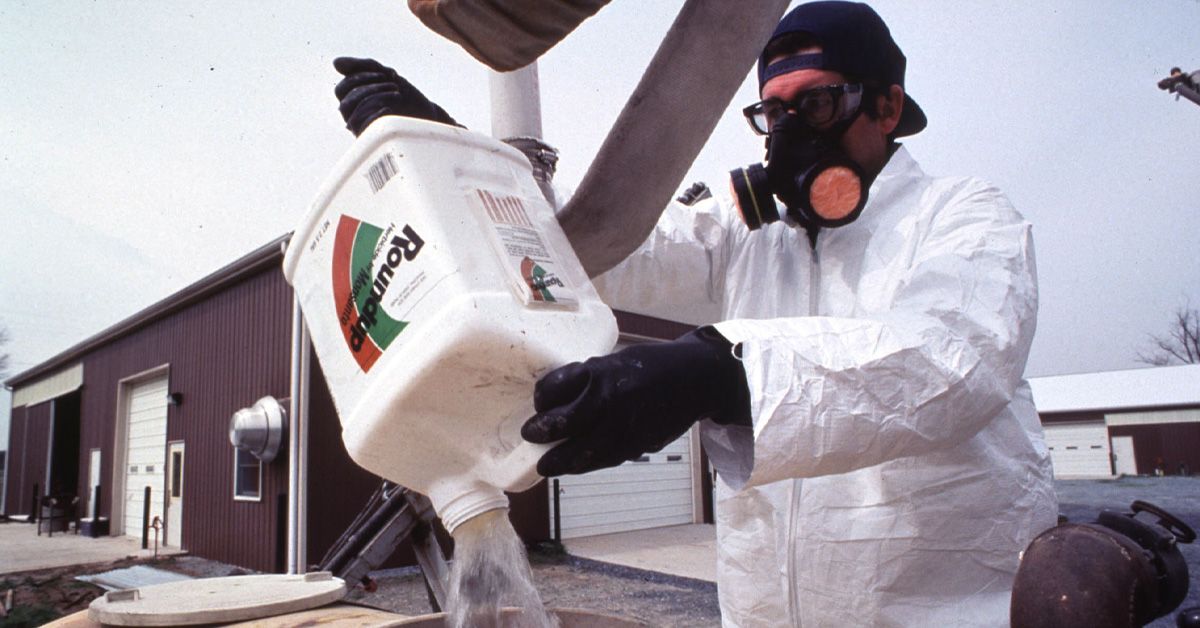
Research suggests pesticide exposure may play a role in rising colorectal cancer cases among younger adults, particularly with picloram.
Introduction
A recently published study in Nature Medicine has drawn attention to a concerning trend: the rising rates of early-onset colorectal cancer, particularly among adults under the age of 50. The researchers have identified a potential correlation between this rising trend and exposure to pesticides, especially the herbicide picloram.
The Significance of Early-Onset Colorectal Cancer
Colorectal cancer is traditionally viewed as a disease of older adults; however, alarming statistics reveal a rising incidence among younger populations. This segment now accounts for approximately 1 in 5 colorectal cancer diagnoses. According to Medical News Today, the annual incidence has increased by 1.4% globally, making it a leading cause of cancer-related deaths for those under 50.
Despite the alarming rise, the underlying causes remain poorly understood, prompting researchers to examine a combination of environmental and lifestyle factors, encapsulated in the concept of the ‘exposome’, which includes all exposures an individual faces throughout their life.
Key Findings of the Study
Researchers from the Vall d’Hebron Institute of Oncology explored the relationship between the exposome and early-onset colorectal cancer. Rather than measuring exposures directly, they focused on epigenetic changes—specifically, DNA methylation patterns.
Epigenetic Changes and Their Implications
These chemical modifications impact gene expression without altering the DNA sequence. In this study, researchers identified specific epigenetic signatures linked to different environmental exposures, including dietary patterns and tobacco use along with picloram, a widely-used agricultural herbicide.
Lead study author Dr. José Seoane remarked, "In this study, we identify an association between early-onset colorectal cancer and some environmental exposures, studying their epigenetic profiles." This is significant as it acknowledges the role of environmental chemicals, alongside established risk factors, in cancer development.
The Pesticide Picloram
The investigation utilized data from U.S. populations and identified that counties with high use of picloram had corresponding increased rates of early-onset colorectal cancer even after accounting for socioeconomic factors and the use of other pesticides. Dr. Seoane expressed surprise at this finding, noting, "Picloram was a surprise because it was never associated with cancer."
Moving Forward: The Need for Further Research
While the study does not establish causation, the findings underscore the potential influence of environmental and lifestyle factors on cancer risk, calling for further investigations to confirm these links. Dr. Seoane emphasized the importance of cautious interpretation of data, stating, "Of course, we should be cautious since both analyses are observational."
Conclusion: Implications for Public Health
The outcomes of this study may contribute to better understanding and prevention strategies regarding colorectal cancer in younger adults. By highlighting modifiable risk factors such as smoking and dietary choices, the findings aim to inform public health policies and health education initiatives targeting early intervention. The potential regulatory implications regarding pesticide use also present an important discussion point for future health strategies.
This research offers a compelling glimpse into how the cumulative effects of environmental and lifestyle exposures may be shaping health outcomes in younger populations, emphasizing the critical need for ongoing research in this domain.
Popular news
A small plane crash while touring the Nazca Lines in Peru has resulted in 13 fatalities, including tourists and crew.





Subscribe to
our news
Get the most important updates and top stories in your inbox.