




 Technology15 Apr 2026
The Cost of Streaming in 2026: How Current Prices Compare to Five Years Ago and Tips to Save
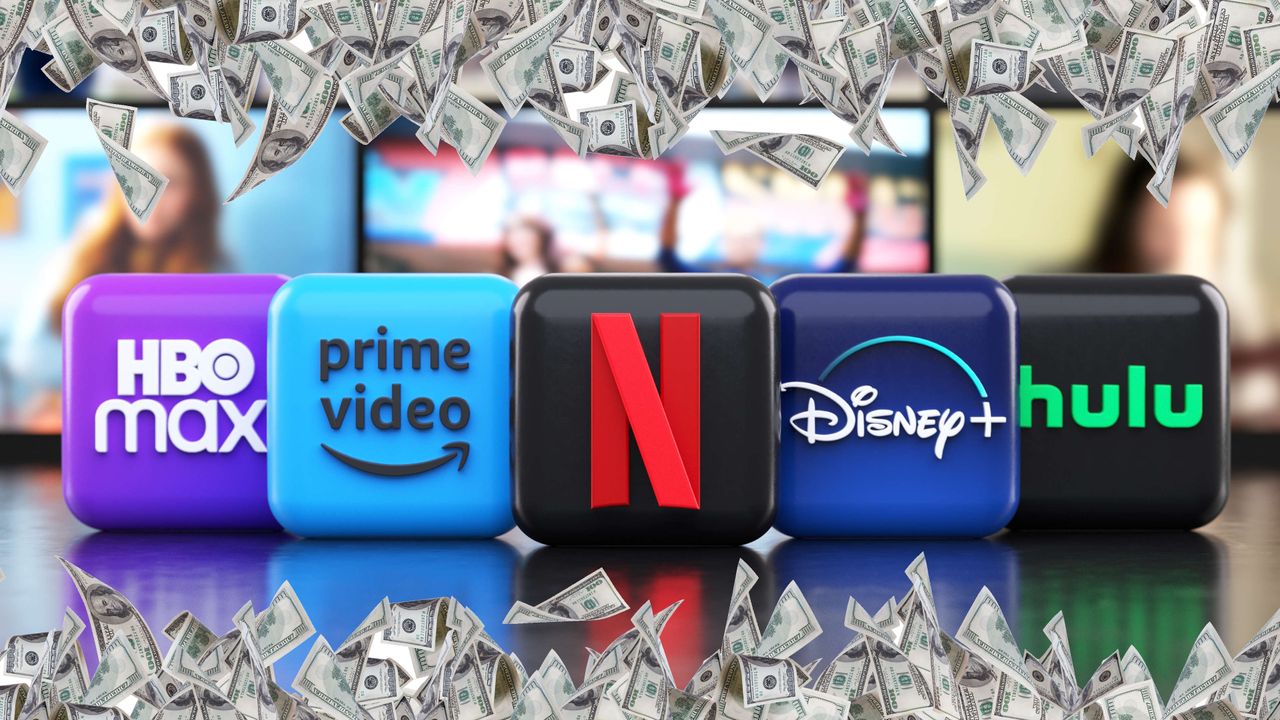
Streaming costs have surged in 2026, with many Americans now paying an average of $69 monthly. Here’s how to save money on your subscriptions.
The Rising Cost of Streaming
In just five years, the landscape of streaming entertainment has transformed dramatically, with the average American now spending about $69 per month on 5.2 subscriptions. This increase comes as major platforms, such as Netflix and Disney+, have ramped up their prices significantly, leaving many consumers grappling with how to manage their entertainment budgets.
According to data from Bango’s Subscription Signals 2026 report, the promise of affordable streaming options post-cable has largely evaporated, with many services now adopting ad-supported tiers, reminiscent of traditional cable packages.
How Streaming Prices Have Changed
To better understand the shift, a comparison of key streaming services shows the stark changes from April 2021 to April 2026:
| Service | April 2021 Price (Ad-free) | April 2026 Price (Ad-free) | 2026 Ad Tier | |----------------|-----------------------------|------------------------------|---------------| | Netflix | $13.99 | $19.99 | $8.99 | | Disney+ | $7.99 | $18.99 | $11.99 | | Hulu | $11.99 | $18.99 | $11.99 | | HBO Max | $14.99 | $18.49 | $10.99 | | Prime Video | $12.99 (with Prime) | $19.98 (with Prime + Ultra) | $14.99 |
As indicated in this table, the cost for subscribing to these five services without ads has jumped from $62 in 2021 to $78 in 2026, an almost 26% increase. The advent of ad-support plans, which have become a standard option, underscores the return of ads to streaming platforms — a trend that many users had hoped to leave behind.
The Resurgence of Bundled Services
The trend of bundling services, once sidelined as a hallmark of traditional cable TV, is making a comeback in the streaming world. Many providers are offering packages that combine multiple services for a single price. Disney+, for instance, offers a bundle with Hulu and ESPN Select at a discounted rate. While these deals appear appealing on the surface — costing $19.99 compared to a combined total of $37 — consumers find themselves paying for services they may not frequently use.
Mobile carriers have also jumped into the bundling game, incorporating subscriptions like Disney+ and Netflix into their more expensive phone plans. These offerings often seem free, but they can lead to elevated monthly bills that consumers didn’t originally plan for.
Strategic Ways to Save on Streaming
Despite the increase in streaming costs, savvy consumers can still find ways to save:
-
Adopt a Rotational Strategy:
- Keep subscriptions for your two most-used services year-round.
- Subscribe to a different service every month, cancel it immediately to maintain access for the full month.
- Enjoy your favorite shows and keep rotating through different services throughout the year.
-
Wait for Promotional Deals:
- Many streaming platforms offer substantial discounts around the Black Friday shopping season and during major events.
- For instance, in past years, Apple TV and the Disney+/Hulu bundle provided significant discounts, making it worthwhile to hold off on re-subscribing until these offers become available.
Conclusion: Navigating the Streaming Landscape
The dream of cutting cables for more affordable entertainment options feels increasingly elusive as costs rise and flexibility begins to diminish. Yet, streaming still offers advantages over cable, like the lack of contracts and the ability to cancel with ease. By adopting strategic subscription habits and keeping an eye out for deals, consumers can navigate this changing landscape and continue to enjoy their favorite shows without breaking the bank.
Popular news
A small plane crash while touring the Nazca Lines in Peru has resulted in 13 fatalities, including tourists and crew.




Subscribe to
our news
Get the most important updates and top stories in your inbox.