 Technology07 Jun 2026
The Delivery You Didn't Order: Breaking Down the 'Free Phone' Scam
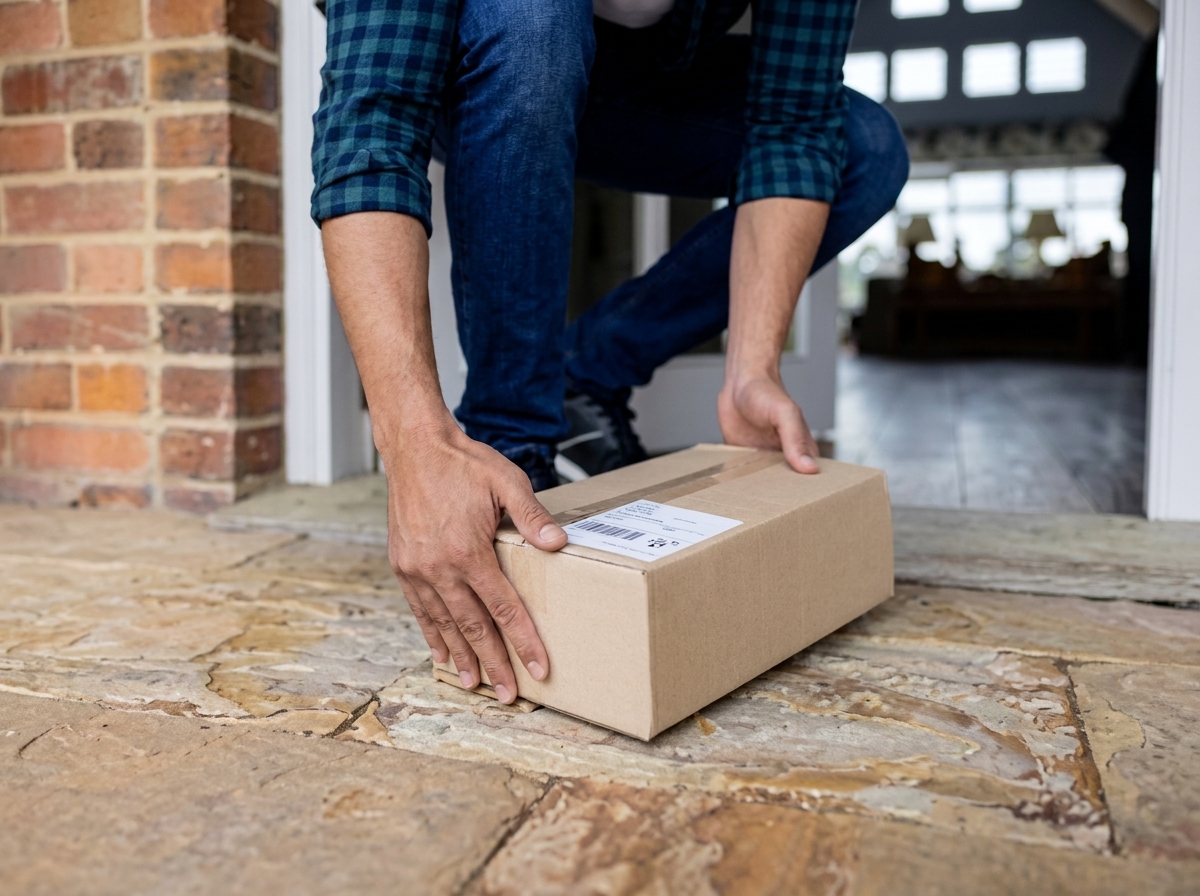
Beware of the 'free phone' scam, where criminals leave unsolicited devices on porches, aiming for identity theft.
The Rising Threat of the 'Free Phone' Scam
In recent times, a concerning new trend has emerged in the world of scams – one that combines clever deception with modern technology. Dubbed the "free phone" scam, this scheme entails criminals leaving unsolicited mobile phones on victims' porches. While it may seem like a fortunate windfall at first glance, unsuspecting individuals are often drawn into a web of identity theft and fraud.
How the Scam Works
The 'free phone' scam operates through various methods, all designed to entice victims into activating these seemingly benign devices:
The 'Free Phone on the Porch' Approach
In this variation, an unrequested phone is delivered to your doorstep. You may feel lucky and decide to activate it, entering your personal details. However, what ensues is often a chilling experience; the phone locks or malfunctions, leaving you vulnerable as scammers now possess your personal information.
The 'Mistaken Delivery' Ruse
Another common tactic involves a phone that may indeed have been ordered by the victim. The scammer contacts the victim, claiming they have mistakenly sent the wrong device. They offer a prepaid label for return, appearing completely legitimate. In trusting this scam, victims unknowingly hand over a phone that they did not actually need to return.
The Face-to-Face Encounter
A more alarming version of this scam occurs when an individual visits your home, pretending to be a representative from a legitimate organization, such as Medicare. They might promise a new phone with no strings attached but request to scan your insurance card. Once armed with your information, they vanish, leaving you without the promised device and exposed to potential identity theft.
Expert Tips to Avoid Falling Victim
As scams become increasingly sophisticated, vigilance is vital. Here are several recommendations to help protect yourself:
-
Skip Opening Unexpected Packages: It's essential to resist the urge to interact with any unsolicited packages. Experts advise against activating devices you did not order, as doing so can grant scammers access to your personal information.
-
Monitor Your Doorstep: Be wary of how packages are handled at your residence. If you receive an expensive item that you didn't order, check your credit accounts to ensure scammers haven't used your information without your knowledge.
-
Verify Communications: Should you receive a phone or communication regarding one, always check directly with your carrier using the official number found on your billing statement instead of any number provided with the phone.
-
Prevent Potential Encounters: If someone arrives at your door looking for a package return or claiming a delivery error, refrain from engaging. Notify local authorities if needed, as this could be a ploy to gain sensitive information.
Actions to Take If Targeted
If you fall prey to the 'free phone' scam or any identity theft, it’s crucial to act promptly. Here are necessary steps to mitigate the damage:
-
Contact Law Enforcement: Report the incident, even if you believe justice is unlikely. This can help local authorities track these scams.
-
File a Fraud Alert: Implement a fraud alert with credit bureaus to prevent unauthorized accounts from being opened in your name.
-
Change Credentials: Update PINs and passwords for any accounts that could be compromised.
-
Gather Evidence: If available, collect home security footage of the scam incident to assist law enforcement in their investigation.
Conclusion
In a world where technology advances bring us convenience, they also create opportunities for fraudulent schemes. The 'free phone' scam exemplifies how criminals are evolving their tactics, putting potential victims at risk of identity theft. Staying educated and exercising caution is the most effective way to combat such scams. Remember, if it seems too good to be true, it often is.
Popular news
New York has declared a disaster emergency over rising measles cases, especially among under-immunized populations, with 108 confirmed cases.




Subscribe to
our news
Get the most important updates and top stories in your inbox.