




 Health27 May 2026
The Essential Eye Exam When Using GLP-1 Medications
Don't overlook eye exams if you're on GLP-1 medications; they could help prevent serious vision complications.
The Importance of Eye Exams for GLP-1 Users
GLP-1 medications are becoming increasingly popular for managing type 2 diabetes and aiding in weight loss. While they offer numerous health advantages, such as better appetite regulation and improved insulin sensitivity, there are potential side effects to consider, especially concerning vision. Patients prescribed these medications must ensure they do not skip an essential appointment: the eye exam.
Understanding the Risks of Vision Issues
According to the American Optometric Association (AOA), individuals taking GLP-1 medications might face increased risks of eye-related complications. Jacquie Bowen, OD, AOA president, emphasizes the importance of monitoring vision, particularly for patients with pre-existing diabetes or eye conditions. Though serious complications seem rare, they are not impossible.
Recommended Eye Exam Timeline
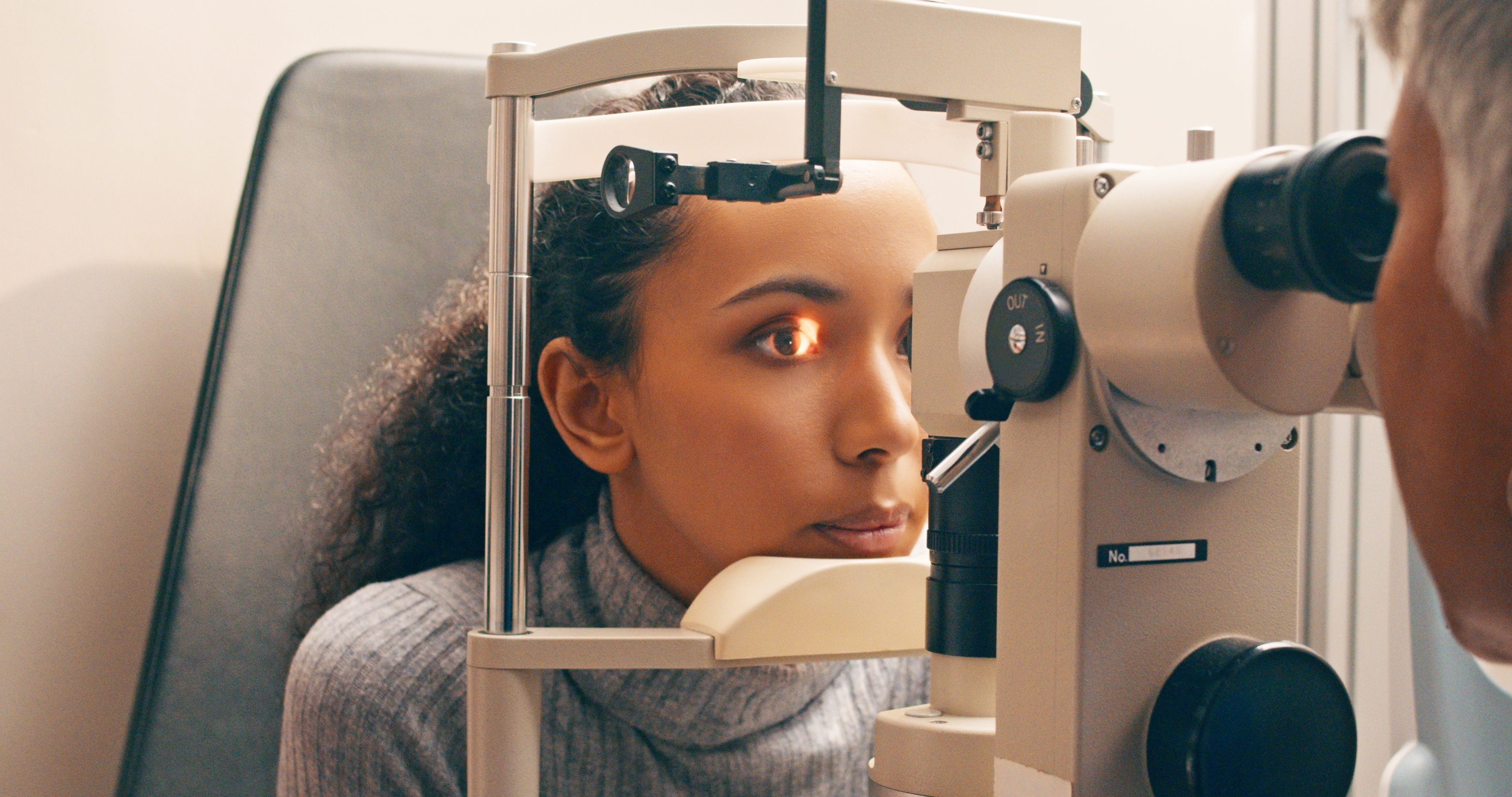
To mitigate risks, the AOA recommends that patients obtain a comprehensive eye exam within one year prior to or one month following the initiation of GLP-1 therapy. Regular follow-up visits are crucial to help optometrists track any changes in eye health over time, ensuring that any potential issues are caught early.
Common Vision Complications Linked to GLP-1s
-
Diabetic Retinopathy Progression
This condition arises when high blood sugar levels damage retinal blood vessels, possibly leading to leakage, swelling, or even vision loss. Although GLP-1 medications are effective at managing blood sugar, some studies suggest that swift declines in glucose levels could temporarily aggravate pre-existing diabetic retinopathy. -
Ischemic Optic Neuropathy
Characterized by sudden vision loss, this rare condition is typically painless and affects one eye. It's associated with restricted blood flow, prevalent among individuals with diabetes. Notably, higher doses of semaglutide—another GLP-1—have been linked to increased instances of this condition, particularly among men. -
Dry Eye Syndrome
Although some research indicates that GLP-1s might improve dry eye symptoms in certain patients, others might experience worsening conditions due to common side effects, including dehydration. Symptoms of dry eye consist of irritation, redness, and blurred vision, which can significantly detract from quality of life.
The Role of Comprehensive Eye Exams
Comprehensive eye exams differ significantly from simple vision screenings. Optometrists performing these exams assess over 270 potential health conditions, utilizing the eye as a window to overall health. Dr. Bowen points out that these exams enable professionals to observe blood flow and nerve tissue directly.
Many eye problems present minimal or no symptoms initially, making routine exams vital for early intervention. Conditions like diabetic retinopathy, when caught early, can often be managed effectively to prevent long-term vision loss.
Annual Check-ups for Optimal Eye Health
The AOA advocates for yearly comprehensive eye exams to monitor eye health and detect systemic health issues linked to vision. Those at risk, including diabetic patients or those prescribed GLP-1 medications, should not only adhere to these recommendations but also consult their optometrist for personalized follow-up schedules if necessary.
In summary, while GLP-1 medications present significant benefits for many, patients should remain mindful of their eye health. Regular comprehensive eye exams are a crucial element of ongoing care, helping to maintain both vision and overall well-being.
Popular news
Google's open source bug bounty program is on hold until 2027 due to an influx of invalid AI submissions.




Subscribe to
our news
Get the most important updates and top stories in your inbox.