




 Technology10 May 2026
The Fierce Battle Over AI in Schools
The controversy over AI in schools escalates as NYC's AI high school is halted amidst safety and privacy concerns. Stakeholders weigh risks and benefits.
AI in Education: The Current Landscape
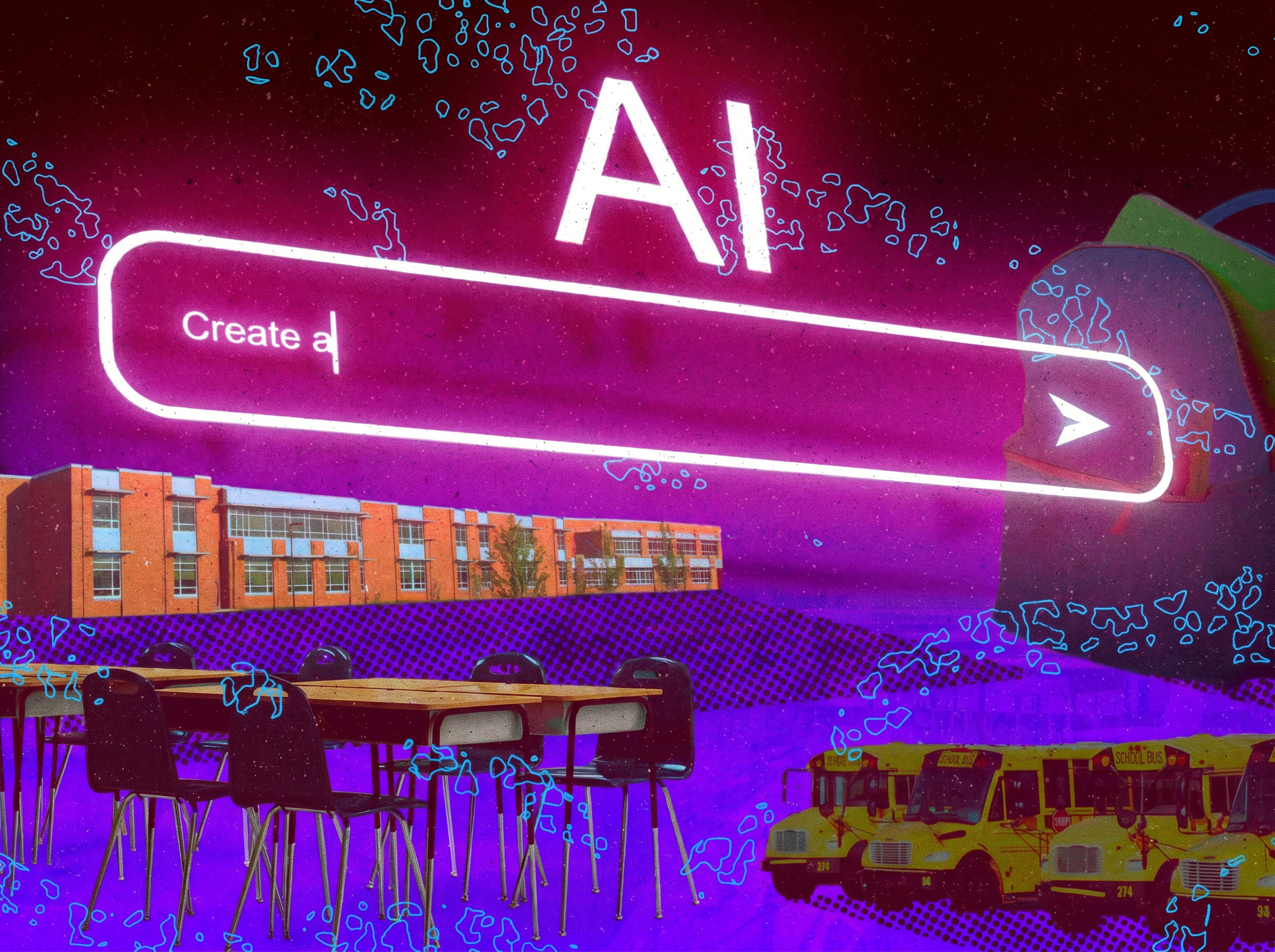
The implementation of artificial intelligence (AI) in educational institutions is stirring heated discussions across the United States, particularly in New York City. As the largest public school district in the country, NYC was gearing up to launch an innovative AI-themed high school. However, this initiative was abruptly halted last month by district leadership, citing rising parental concerns and a growing national backlash towards the swift adoption of AI technology.
Parents, educators, and child safety advocates are voicing mixed sentiments about AI’s potential to revolutionize education compared to its associated risks, including data privacy issues and cognitive impacts on young learners. The debate has prompted stakeholders to consider the implications of integrating AI technology within K-12 education and whether such tools truly serve students' best interests.
The Dual Perspectives: Concerns vs. Opportunities
Emphasis on Safety and Accountability
Many voices from the community, including child safety advocates and concerned parents, are advocating for a moratorium on the use of AI in K-12 settings. They underscore the necessity for safety and accountability measures before continuing with AI technology in classrooms. The lack of substantial research on the long-term effects of AI on cognitive development in children raises alarms about risks associated with its premature adoption.
Advocating for Responsible Integration
Conversely, proponents of AI, including educators and technology leaders, argue for a balanced approach to integrate AI responsibly. They suggest that utilizing AI poses a significant opportunity for educational enhancement, potentially addressing inequities and promoting personalized learning experiences. Industry experts assert that the future workforce will be increasingly defined by AI capabilities, reinforcing the argument that educational institutions must prepare students accordingly.
As Naria Santa Lucia, Microsoft's Elevate initiative general manager, remarked, it is paramount for schools to adopt AI with clear guidelines co-developed with educators and strong privacy protections. Leah Belsky, OpenAI's vice president of education, echoes this sentiment, emphasizing the importance of partnerships with schools to navigate the AI landscape effectively.
The Moratorium Argument: A Call for Caution
On April 16, 2026, a coalition of 250 organizations led by the nonprofit Fairplay urged schools in the United States and Canada to impose a five-year moratorium on AI use in primary and secondary education. They argue that deploying AI into classrooms without a full understanding of its ramifications could lead to misuse of student data and other security risks, especially as cyberattacks targeting K-12 institutions have become more prevalent.
Experts like Josh Golin, executive director of Fairplay, stress that incorporating more technology at this stage could exacerbate existing educational challenges, including increased screen time and decreased human interaction in the learning process. The pushback against rapid AI integration suggests an awareness of potential downsides that could be harmful to students' educational and developmental growth.
A Fragmented Regulatory Environment
As the discussions unfold, the lack of cohesive federal policy on AI in education contributes to confusion among educators, parents, and students alike. Randi Weingarten, president of the American Federation of Teachers, critiqued the U.S. Department of Education for not providing a comprehensive framework for ethical AI use in schools. Without uniform guidelines, districts are left to navigate the complex terrain of AI deployment independently, leading to disparate practices and potential risks.
Legislative efforts are emerging in several states, with lawmakers advocating for paused implementation to allow space for comprehensive regulations to evolve. Vermont House Representative Angela Arsenault highlighted the need for a measured approach as rapid technological advancements often outpace the capacity for effective governance.
As this contentious debate rages, it remains clear that stakeholders on both sides are driven by the same objective: ensuring the best outcomes for students amid a landscape that is changing at an unprecedented pace. The path forward may require a collaborative effort to balance innovation with a commitment to safety, privacy, and educational equity.
Popular news
A small plane crash while touring the Nazca Lines in Peru has resulted in 13 fatalities, including tourists and crew.





Subscribe to
our news
Get the most important updates and top stories in your inbox.