





 World20 Apr 2026
The German Refugees Who Found Sanctuary in Yugoslavia
Discover the untold stories of German refugees who fled to Yugoslavia from Nazi oppression, seeking safety but facing new dangers.
German Refugees Find Refuge in Yugoslavia
In a poignant chapter of history, many Germans sought asylum in Yugoslavia following the rise of the Nazis in 1933. Among them were high-profile figures such as Tilla Durieux, a celebrated actress, and Annemarie Wolff-Richter, a dedicated educator. Their journeys highlight the precariousness of their escape and the unexpected sanctuary found in the Balkans.
The Escape from Nazi Germany
By mid-1934, Tilla Durieux and her husband, Ludwig Katzenellenbogen, realized their ability to remain in Switzerland was running out. They set out for Zagreb, then part of the Kingdom of Yugoslavia, amidst increasing repression in Germany.
"People thought Zagreb was a suburb of Vienna or Prague, unaware of its complexities and struggles," noted Durieux in her diary. Leaving Berlin in March 1933, they, like countless others deemed undesirable by the Nazis, were fleeing deteriorating conditions where political dissenters faced violence and imprisonment under the regime.
Temporary Shelter in Zagreb
Yugoslavia offered a temporary haven for an estimated 55,000 refugees before the onset of WWII. At the time, achieving entry into the country was possible through a temporary visa, a notable contrast to increasing border restrictions in many of their intended destinations. Many refugees saw Yugoslavia as a stopover, hoping to continue their journeys to other nations.
As they arrived, refugees were met with a burgeoning support network, including humanitarian organizations which provided financial assistance, helped with registrations, and coordinated onward travels. "Everyday citizens opened their homes and extended kindness, becoming crucial allies in these dire times," explains historian Marie-Janine Calic.
Continued Persecution Under Occupation
In April 1941, the coalescing threat of Nazism reached Yugoslavia. With the Wehrmacht’s invasion, the landscape drastically shifted, and many refugees found themselves in jeopardy once more. Thousands were trapped, unable to escape the brutalities met out by their occupiers.
While some refugees made it to the Italian-occupied regions where they were safer, others were trapped in the Independent State of Croatia (NDH). This territory turned into a nightmare for many, with systemic murders occurring in places like the Jasenovac extermination camp.
The Legacy of Courage and Loss
Among those who faced this peril was Annemarie Wolff-Richter. Committed to her progressive educational philosophy, she managed to care for marginalized children. Her story turned tragic when she was detained and ultimately perished within the horrors of Jasenovac, her spirit of compassion cut short by the oppressive regime.
Conversely, Tilla Durieux, despite enduring loss when her husband was captured and deported, continued to navigate life in Zagreb after the war, ultimately prospering and contributing to the local arts. Her enduring legacy remains intertwined with the history of Yugoslavia, where she continued to find solace long after returning to Germany.
Conclusion
The narratives of German refugees such as Durieux and Wolff-Richter underscore the complexity of displacement during one of history's most turbulent eras. Their stories, as illuminated by historians like Calic, serve as poignant reminders of resilience amid persecution. Though they sought safety from the Nazis, they often found themselves navigating an equally treacherous path in a foreign land.
Popular news
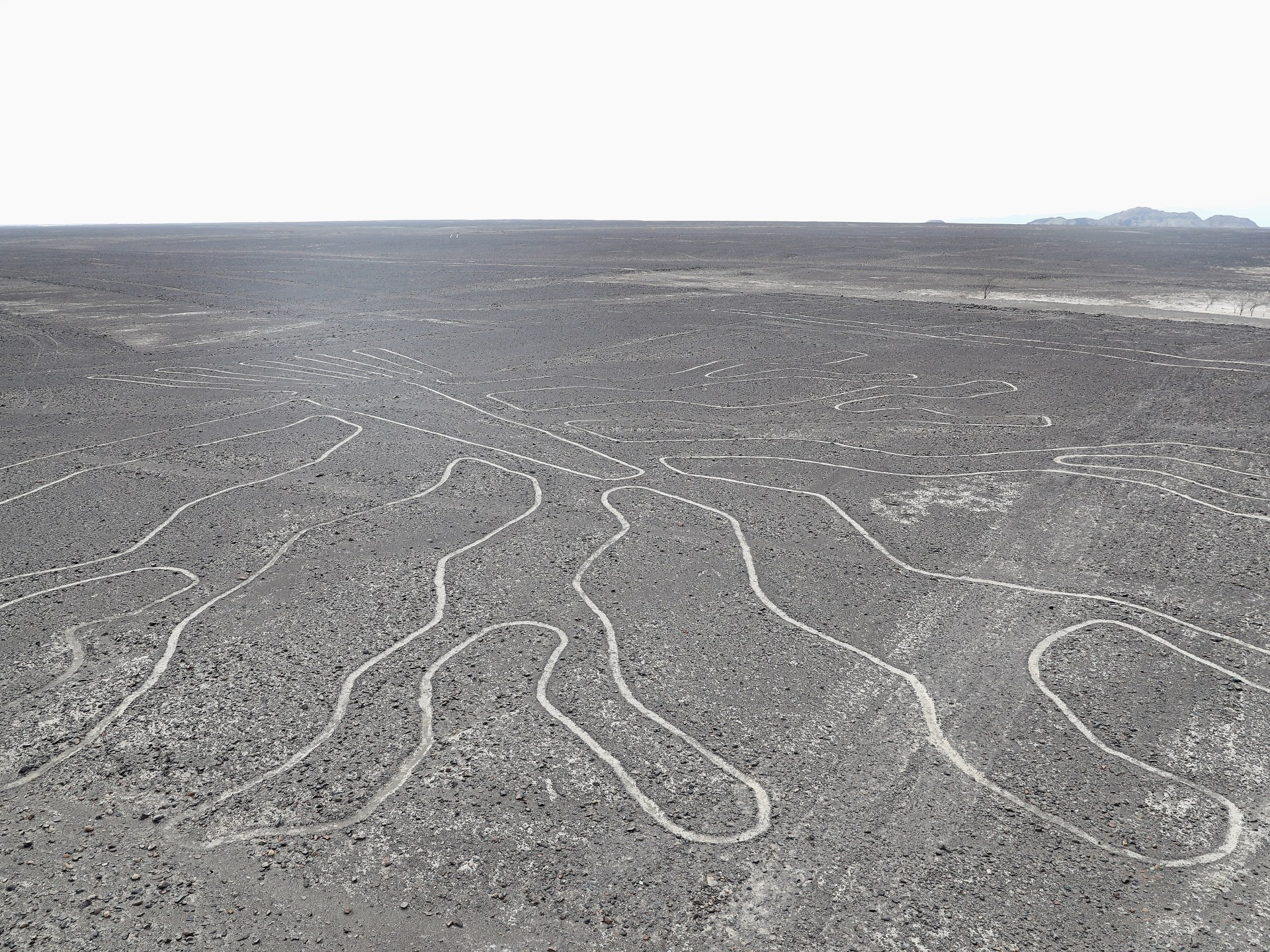
A small plane crash while touring the Nazca Lines in Peru has resulted in 13 fatalities, including tourists and crew.




Subscribe to
our news
Get the most important updates and top stories in your inbox.