




 Technology27 Apr 2026
The Iran War: Unseen Environmental Consequences Unfold
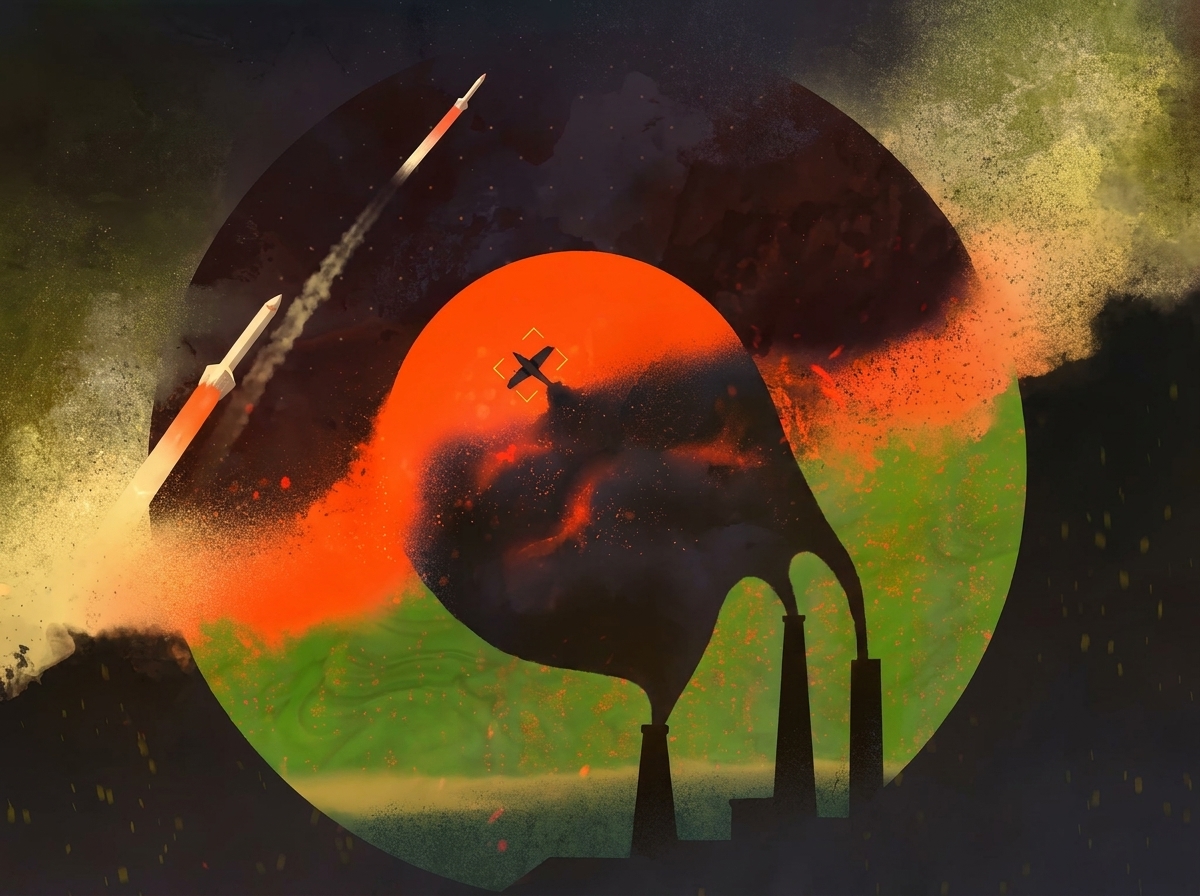
The Iran war is wreaking havoc on the environment, leading to severe air pollution, soil contamination, and marine risks as ecology falters.
The Ongoing Environmental Toll of War in Iran
The ongoing conflict in Iran is demonstrating severe and multifaceted repercussions for the environment, with significant air pollution, soil contamination, and marine risks compounding the global crisis of ecological degradation. In just the initial weeks of warfare, over 5 million tons of CO2 equivalent emissions were released, illustrating the immediate impact of military actions on the atmosphere. As conflict continues, the environmental governance necessary for post-war recovery is alarmingly low on priorities, leaving ecological restoration in jeopardy.
The Context of Environmental Decline
Dark Skies Over Tehran
Reports from Tehran around March 8 indicated that the skies had darkened significantly due to military strikes, leading to the phenomenon known as black rain, which coated streets and vehicles in a foul-smelling residue. This event was linked to Israeli attacks on over 30 oil facilities across Iran, igniting fires that created suffocating smoke clouds and raised questions about the strategic rationale behind these military actions.
The ramifications of such attacks extend far beyond Iran’s borders, affecting surrounding regions like southern Lebanon and the Gulf. Evidence from satellite imagery and social media indicates a widespread ecological crisis developing due to military conflicts.
The Multifaceted Assault on Ecology
The emerging picture is one of a multifront attack on the environment through air, land, and sea. Visible damages include smoky skies, oil spills, and rubble, while less apparent issues such as soil contamination will persist long after the fighting stops. Each missile strike is estimated to release approximately 0.14 tons of CO2 equivalent, equivalent to driving a car for 350 miles, highlighting that emissions arise not just from the explosions but also from the supporting military infrastructure.
The Damage to Land
Housing and Infrastructure Destruction
According to Lebanon's National Council for Scientific Research, around 50,000 housing units were either destroyed or damaged within the first 45 days of the war. Concurrently, satellite assessments indicate that more than 7,600 buildings have been ruined across Iran, including significant military sites in Tehran.
However, the visible destruction is merely the foreground to a much deeper ecological concern—contamination of soil and water that can take years to unravel. Antoine Kallab, an environmental policy adviser, emphasizes that war displaces people from their homes and agricultural lands, reshaping local ecosystems in problematic ways.
The Persistence of Pollutants
The ruins of bombed structures release toxic substances into the environment, affecting soil quality and contaminating water sources, further exacerbated when urban infrastructure suffers destruction. Pollutants from military operations do not vanish; rather, they settle back into the landscape, disrupting nutrient cycles and impacting regional biodiversity.
The Sea at Risk
Marine Ecosystem Threats
The conflict has also introduced tremendous risks for the Gulf's marine environment, already strained by climate change and industrial activity. The risk of oil spills and other contaminations further complicates an already delicate ecosystem that is home to endangered species, including dugongs and Arabian humpback whales.
Incidents such as attacks on Iranian vessels and refineries pose significant threats, with reports indicating that heavy fuel oils are leaking into sensitive marine biospheres, leading to potential ecological catastrophes.
Air Quality Deterioration
Visible Damage from Pollution
Notably, the air quality in conflict zones has been severely compromised. Burned oil facilities have led to thick, toxic smoke blanketing cities, releasing black carbon and other hazardous compounds. Reports of pollutants from military activities emphasize the public health risks linked to respiratory issues among affected populations.
Long-Term Environmental Consequences
The fallout from military engagements creates not only immediate health risks but also long-lasting outdoor pollutants and carbon outputs. The sheer volume of emissions from military aircraft operations emphasizes the profound nature of military conflicts on air quality.
Looking Toward the Future
The Necessity of Environmental Governance
As hostilities unfold, post-war recovery presents its unique challenges. Doug Weir of the Conflict and Environment Observatory describes a scenario where weakened governance after conflicts hampers environmental recovery efforts. Ineffective international support adds to this risk, creating a situation where ecological restoration is not a priority, distracting from the need to address severe environmental consequences. The evidence indicates that recovery efforts must focus on addressing not only the immediate humanitarian needs but restoring environmental health to allow for sustainable recovery.
The notion that the environment is a silent victim of war rings truer than ever; environmental damage accumulates subtly yet significantly. As military engagements persist, the potential for disaster increases across various domains, revealing the profound necessity for immediate environmental governance and recovery mechanisms post-conflict.
Popular news
A small plane crash while touring the Nazca Lines in Peru has resulted in 13 fatalities, including tourists and crew.



Subscribe to
our news
Get the most important updates and top stories in your inbox.