




 Health17 May 2026
The One Creatine Side Effect Men Can’t Stop Worrying About
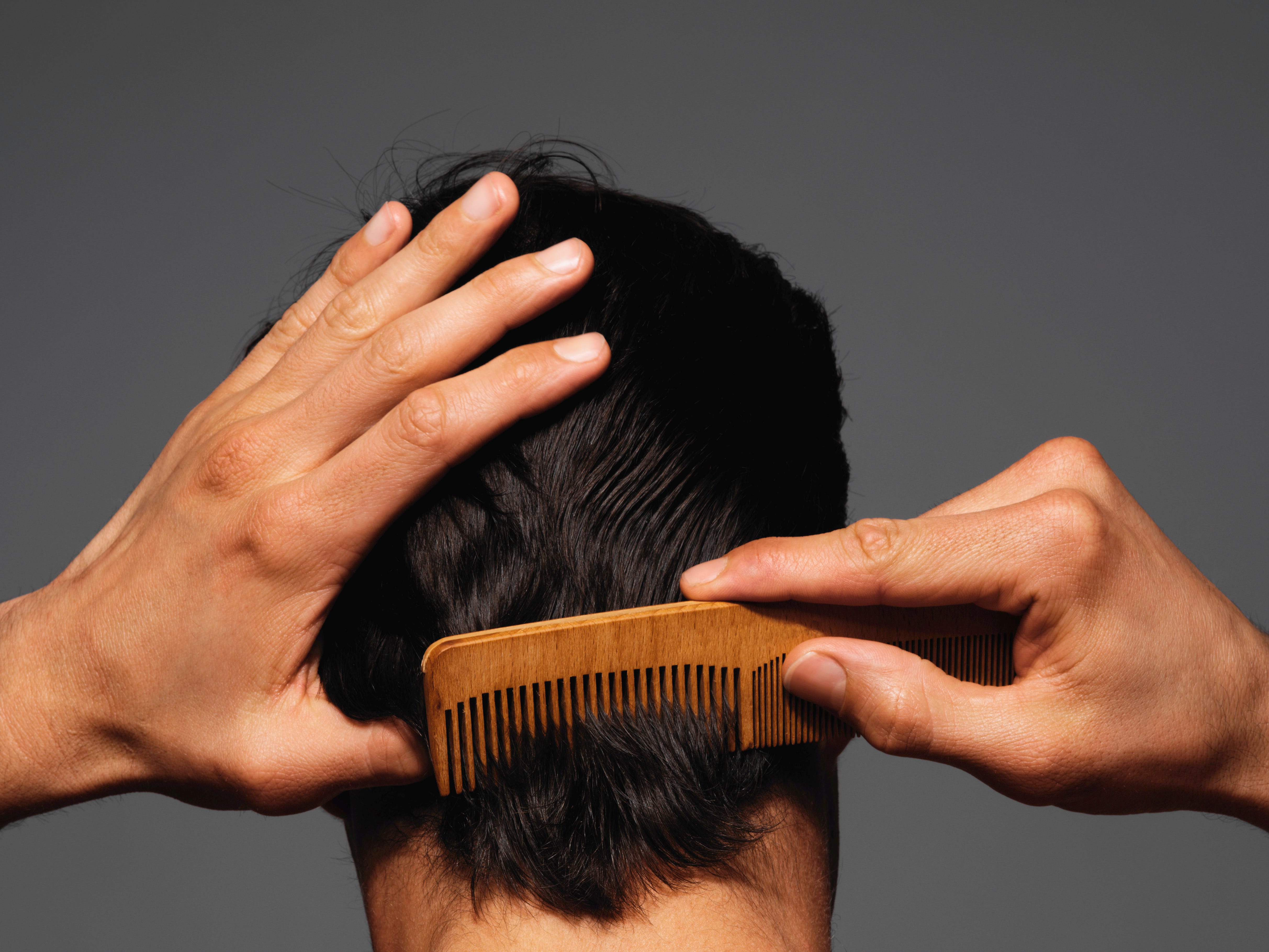
Concerned about creatine and hair loss? Recent studies debunk this myth, showing no link between creatine use and thinning hair in men.
Understanding the Creatine Hair Loss Concern
Creatine is a popular supplement in the fitness world, known for its ability to enhance muscle performance. However, a persistent worry among men is whether it contributes to hair loss. This concern predominantly arises from a single 2009 study that suggested creatine might increase levels of dihydrotestosterone (DHT), a hormone that can lead to hair thinning and loss.
The Origins of the Hair Loss Theory
The 2009 study involved college-aged rugby players who took creatine daily over three weeks. Results indicated a “statistically significant” increase in DHT levels among the participants. DHT is a derivative of testosterone that, at elevated levels, can negatively impact hair follicles. Despite this finding, the study found no actual reports of hair loss among participants, which has often been overlooked.
According to Dr. Jose Antonio, an exercise physiologist at Nova Southeastern University, the results of the 2009 study do not translate into real-world implications for hair loss. "None of the rugby players experienced hair loss as a result of taking the supplement. The DHT levels, while statistically significant, remained within clinically normal limits," he said.
Extensive Research Against Hair Loss Claims
This prevalent myth has been perpetuated through social media and fitness discussions, making it a baseline concern for many considering creatine. However, a comprehensive review of over 500 studies on creatine has not identified hair loss as a documented side effect.
A more recent clinical trial conducted in 2025 reviewed 38 men undergoing strength training, dividing them between those taking creatine and a placebo group. After 12 weeks, there were no discernible differences in hair loss or DHT levels between the two groups. While the American Hair Loss Association expressed caution due to limitations in sample size and methodology, the overarching conclusion remains clear: "The current body of evidence does not indicate that creatine causes hair loss or baldness," noted Dr. Antonio.
The Benefits and Safety of Creatine
Creatine, a naturally occurring amino-acid derivative, is recognized for its ability to generate energy for high-intensity exercise. Beyond physical performance, research highlights potential cognitive benefits, with some studies suggesting it may assist those with neurological conditions, enhance memory, and even offer protective effects from concussive damage.
Safety Profile of Creatine
The FDA has classified creatine as Generally Recognized as Safe (GRAS), and when taken appropriately, it typically presents minimal side effects—mainly weight gain from increased muscle mass. Rare adverse reports include kidney issues and dehydration, though there is insufficient evidence linking these directly to creatine use. Individuals should be cautious, particularly if they have pre-existing kidney conditions, and consult with healthcare providers before starting supplementation.
Recommendations for Use
For those looking to incorporate creatine into their fitness regime, it’s suggested to stick to a dosage of 3 to 5 grams daily. Signs of excessive intake could lead to unnecessary expenses, as creatine is water-soluble, and excess amounts might simply be excreted.
In conclusion, while the concern about creatine causing hair loss is deeply entrenched in gym culture, it does not hold up under scientific scrutiny. Men can confidently consider creatine for enhancing their muscular performance without fearing for their hair.
Popular news
Nuveen acquires Schroders, creating a $2.6 trillion asset management powerhouse.





Subscribe to
our news
Get the most important updates and top stories in your inbox.