 World27 Apr 2026
The War on Iran: Threatening the Foundations of Nuclear Non-Proliferation
US-Israeli military actions against Iran challenge the integrity of the NPT, raising fears about nuclear non-proliferation.
Introduction
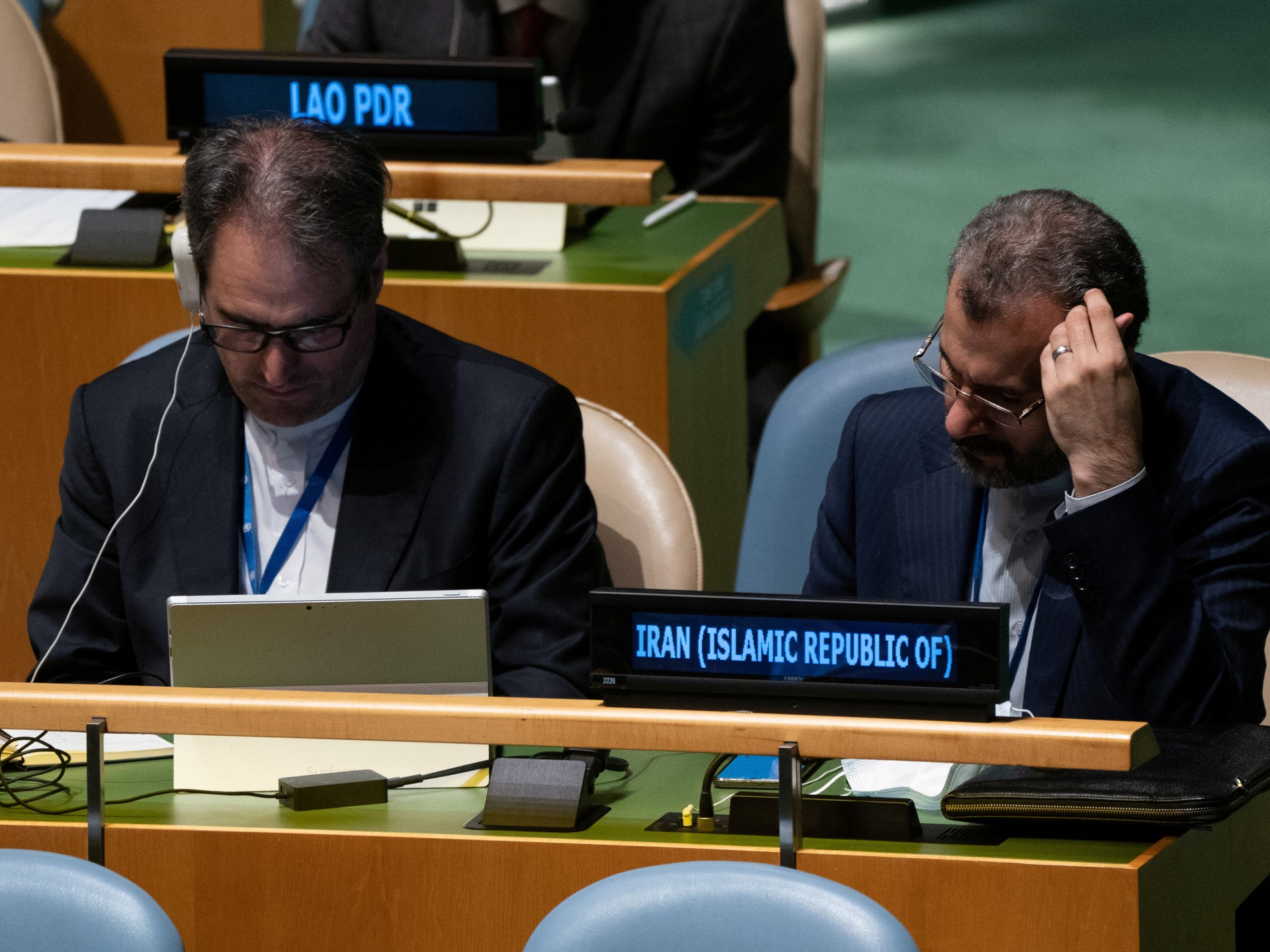
The upcoming review conference of the Treaty on the Non-Proliferation of Nuclear Weapons (NPT) in New York is set against a troubling backdrop: the ongoing US-Israeli military operations aimed at Iran. These actions, justified by claims that Iran is close to developing nuclear weapons, significantly jeopardize the treaty's credibility and effectiveness. As member states gather, questions about the protection offered to non-nuclear weapon states like Iran come to the forefront.
Context of the NPT Review Conference
On April 27, delegates from the 191 parties to the NPT will assemble to assess the treaty's adherence and functionality. Initially established in 1970, the NPT serves as the cornerstone of international nuclear order, differentiating between nuclear-armed states and non-nuclear states. The treaty compels non-nuclear weapon states, including Iran, to refrain from developing nuclear arms while enabling the recognized nuclear powers (the US, UK, France, China, and Russia) to limit the proliferation of such weapons and pursue their disarmament.
The Iran Dilemma
Amid growing tensions, the case of Iran poses critical questions for the NPT. While Iran’s nuclear ambitions have raised international concerns, the International Atomic Energy Agency (IAEA) has found no evidence of a structured weapons program. Nevertheless, the US and Israel's military interventions raise alarming implications for how the NPT is perceived and adhered to, especially regarding the treatment of non-nuclear states under the treaty.
Complications from Military Action
Military actions against Iran undermine the fundamental principles of the NPT. If the world’s concern is a lack of transparency regarding Iran's nuclear facilities, airstrikes do not foster understanding or clarity. Moreover, military aggression complicates the inspection processes necessary for monitoring compliance.
The precedent these actions set may embolden other nations to perceive that adhering to the NPT provides little assurance against aggression from more powerful states. Additionally, Iran, in its submissions to the conference, emphasizes its right to peaceful nuclear technology as outlined in Article IV of the NPT. The country asserts that any offensive against its nuclear facilities contravenes the treaty’s logic.
Global Implications of the Conference
As the review conference approaches, the discussions will likely resonate with the concerns of non-nuclear states regarding the uneven application of the treaty’s rules. The conflict, and the setting of the conference in the US, a participant in the hostilities, raises questions about the objectivity and integrity of the diplomatic process.
Reaffirming NPT Principles
The NPT’s longevity and success in preventing the spread of nuclear weapons depend on a collective commitment to its principles. Conference participants must affirm that military attacks on safeguarded nuclear facilities are intolerable. Furthermore, states must convey that engagement, rather than coercion, should be the approach to addressing concerns about compliance and verification.
Conclusion
The stakes are high as the NPT parties come together. They have a crucial opportunity to reinforce the treaty's foundational premise and reject any rewriting of its rules through conflict. Preserving the NPT is essential not only for regional stability in the Middle East but also for the global framework aimed at preventing nuclear proliferation and ensuring peace. It is imperative that all parties recognize the inherent value of the NPT in cultivating a safer world.
Popular news
A small plane crash while touring the Nazca Lines in Peru has resulted in 13 fatalities, including tourists and crew.



Subscribe to
our news
Get the most important updates and top stories in your inbox.