




 World06 May 2026
Thirteen IS-linked Women and Children Set to Return to Australia
Australia prepares for the arrival of women and children linked to Islamic State, with potential arrests awaiting upon return.
Return of IS-Linked Individuals to Australia
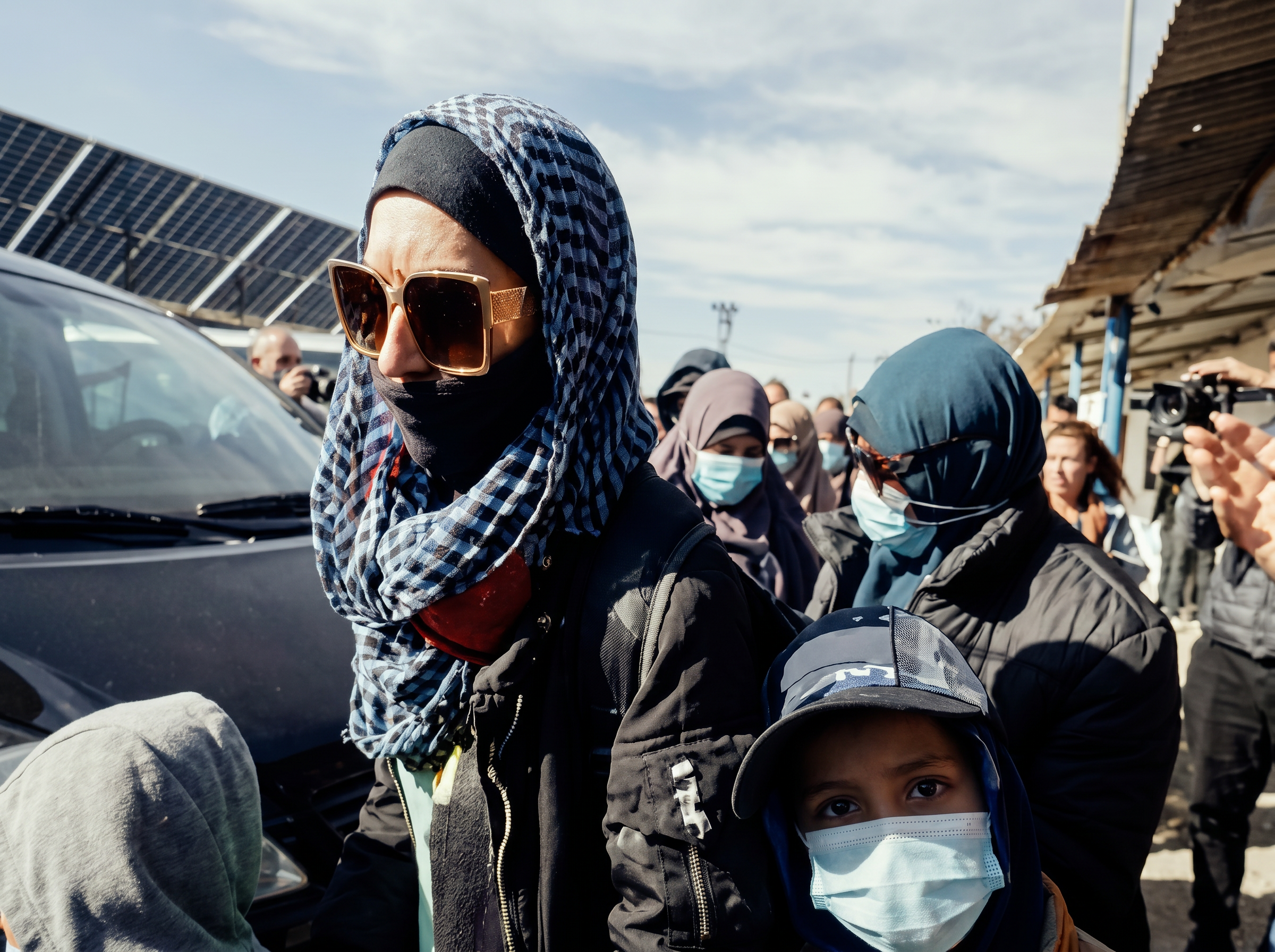
Australia is bracing for the return of 13 women and children linked to the Islamic State (IS) group, according to Home Affairs Minister Tony Burke. This unexpected development comes as the individuals, who have spent several years in a Syrian detention camp, have booked their tickets back to Australia, but the government has made it clear that it will not facilitate their return in any capacity.
Government Stance on Repatriation
Burke stated, "The Australian government has not and will not provide any assistance" to the group, emphasizing that government agencies have been monitoring the situation since 2014. Upon their arrival, some individuals are expected to face arrest and charges. Australian Federal Police (AFP) Commissioner Krissy Barrett elaborated that the arrest strategy is part of a broader plan to address any criminal activities associated with this cohort.
The 13 individuals are part of a larger group of 34, which also includes children and women connected to IS fighters. Despite their previous attempts to return, this group had been compelled to remain in Syria due to various "technical reasons."
Preparation for Arrival
Burke highlighted that authorities were alerted shortly after the airline tickets were booked, indicating that preparation for such an eventuality has been ongoing. Since February 2019, the group has been residing in the al-Roj camp in northern Syria, with 23 children estimated to be among the larger cohort. Burke stated, "These are people who have made the horrific choice to join a dangerous terrorist organisation and to place their children in an unspeakable situation."
Legal and Support Measures
For those who are not immediately arrested, investigations will continue. The return of the children is accompanied by plans for community integration and therapeutic support, alongside programs aimed at countering violent extremism. On the security front, Mike Burgess, head of the Australian Security Intelligence Organisation (ASIO), noted that while there are no immediate concerns, the individuals will be monitored closely upon their return, with appropriate actions taken if they exhibit any troubling behavior.
This announcement follows the Australian government’s earlier decision to impose a temporary exclusion order preventing one member of the group from returning to Australia for a two-year period. In a broader context, many countries including the UK, France, and the Netherlands, have opted against repatriating their citizens from similar situations in Syria, reflecting a significant global hesitation over the issue.
The decision concerning these 13 individuals raises important questions about national security, integration, and the repercussions of past affiliations with extremist groups as most nations grapple with how to handle such sensitive cases in an increasingly complex geopolitical landscape.
Popular news
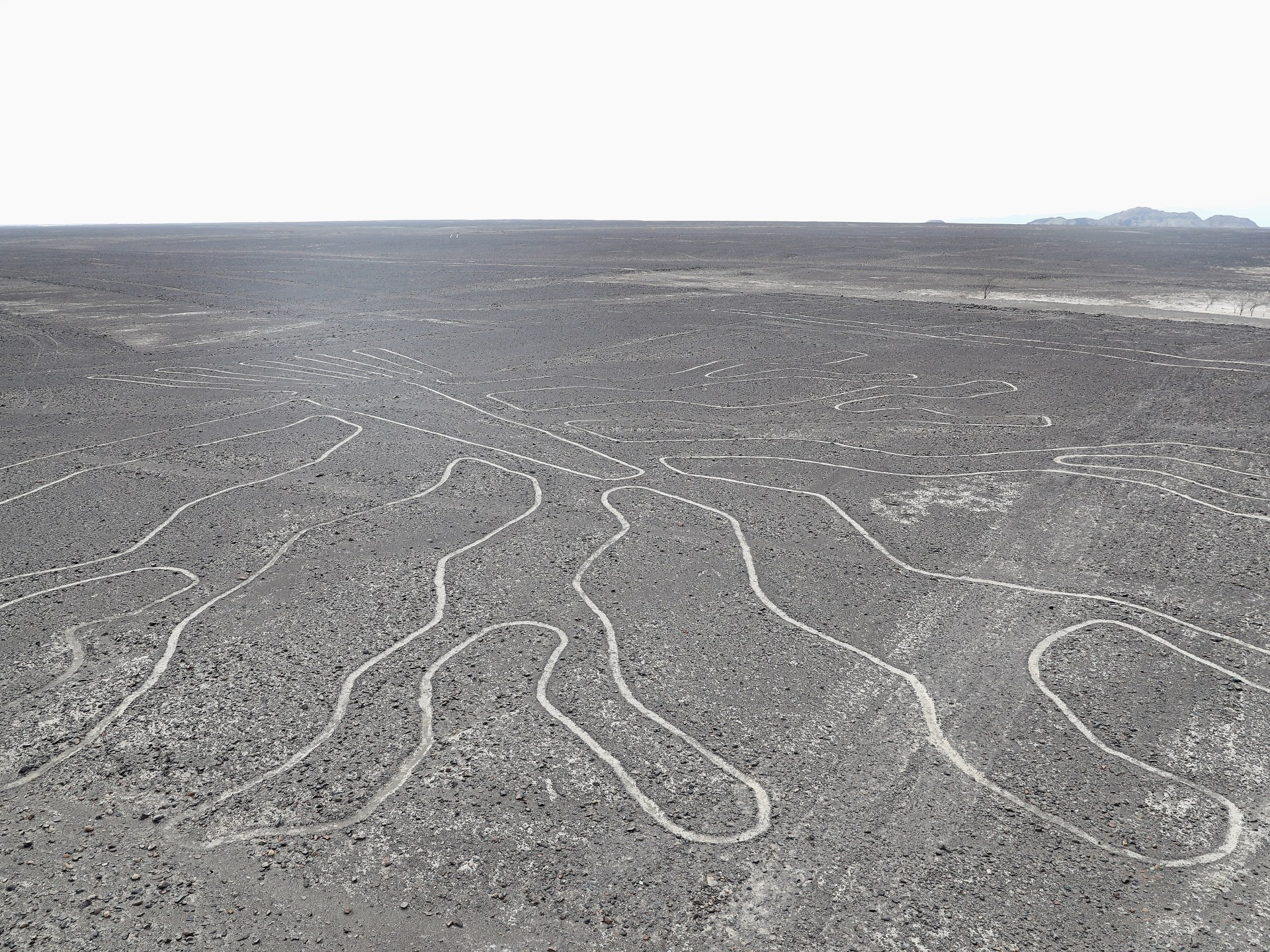
A small plane crash while touring the Nazca Lines in Peru has resulted in 13 fatalities, including tourists and crew.

Subscribe to
our news
Get the most important updates and top stories in your inbox.